c.curionodeThe Nobel Archive

1917 · Literature

Explore ideals and the pressures of Danish life

The 1917 Literature Prize recognised two distinct bodies of work. Gjellerup explored ideals across several literary forms; Pontoppidan portrayed the conflicts and inner lives of people in a changing Denmark.

Danish literatureIdealsSocial fiction
1917Literature

Visual guide

The prize, pictured

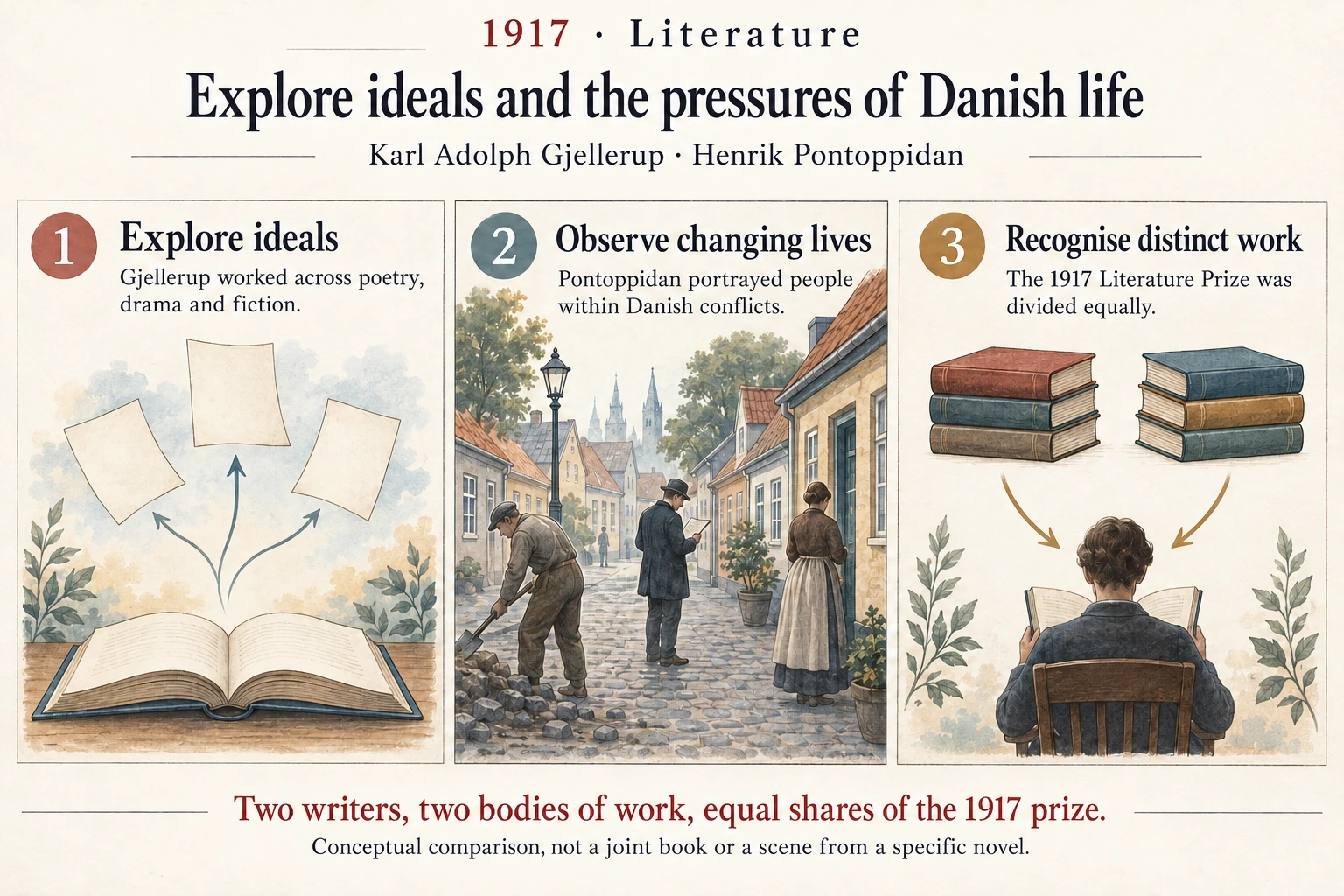
Infographic explaining Explore ideals and the pressures of Danish life
Original AI-generated infographic. A conceptual overview; the explanations and sources below provide context.
Read the poster text

Two writers, two bodies of work, equal shares of the 1917 prize.

  1. Explore ideals

    Gjellerup worked across poetry, drama and fiction.

  2. Observe changing lives

    Pontoppidan portrayed people within Danish conflicts.

  3. Recognise distinct work

    The 1917 Literature Prize was divided equally.

Conceptual comparison, not a joint book or a scene from a specific novel.

01 · The contribution

The idea, in everyday language

Gjellerup’s writing moved through changing philosophical commitments and literary forms. Poetry and drama, alongside novels such as Minna and the later Der Pilger Kamanita, made different contributions to his work. The award recognised his varied writing and ideal aspirations, rather than naming one book as its sole object. His later interest in Buddhist ideas should not be projected onto every earlier work.

Pontoppidan’s fiction examined people whose ambitions and beliefs collided with family, religion, class and politics. Det forjættede land, Lykke-Per and De dødes rige built extended pictures of Danish life through individual minds and fates. His half of the prize had its own reason: the portrayal of contemporary Denmark. The equal division was recognition of two writers, not a collaboration, one shared literary method or proof that both held the same ideals.

Why it matters

The shared award makes visible more than one literary route: philosophical and ideal exploration, and sustained attention to social experience and psychology. Both depend on artistic form, voice and character. These descriptions explain the recognition without requiring agreement with every belief expressed by an author or a fictional character.
02 · The people

Who brought the idea to life?

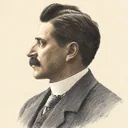
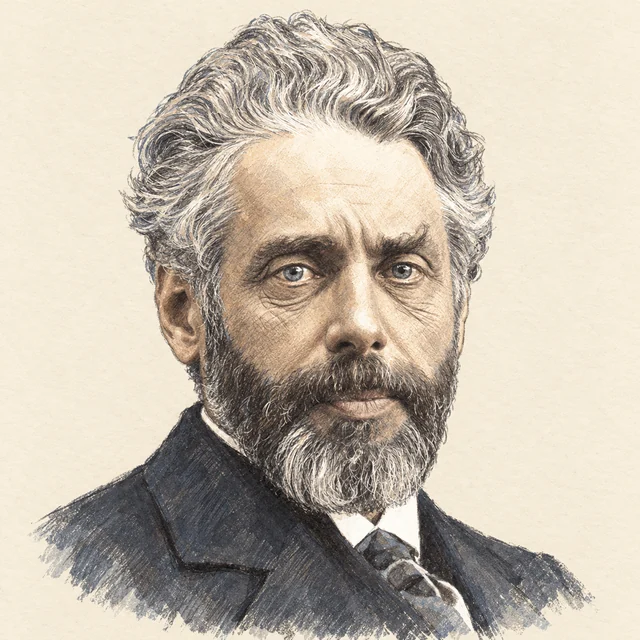
Illustrated portrait of Karl Adolph Gjellerup

Karl Adolph Gjellerup

Prize share · 1/2

Gjellerup received half the Literature Prize for the range and richness of his writing and its pursuit of ideals. His contribution belongs to his own poetry, drama and fiction, distinct from Pontoppidan’s portrayal of Danish society.

Read the biography ↗
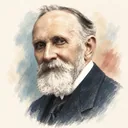
Illustrated portrait of Henrik Pontoppidan

Henrik Pontoppidan

Prize share · 1/2

Pontoppidan received half the Literature Prize for his portrayal of contemporary Danish life. His fiction uses individual lives and psychological conflict to illuminate the social, religious and political tensions of a changing Denmark.

Read the biography ↗

03 · Years in the making

The path here

  1. 1878

    Gjellerup publishes En idealist after completing theological studies.

  2. 1881

    Pontoppidan’s first book appears.

  3. 1889

    Gjellerup publishes Minna.

  4. 1892

    Gjellerup settles in Dresden in March, according to his autobiography.

  5. 1898–1904

    Pontoppidan publishes the original Lykke-Per sequence.

  6. 1906

    Gjellerup publishes Der Pilger Kamanita.

  7. 1917

    The Literature Prize is divided equally between the two writers.

04 · Read further

From the original sources

Original explanations by Curionode, based on the official records below. Biographical details and affiliations refer to the award year.

  1. Official award summary nobelprize.org
  2. Historical presentation account nobelprize.org
  3. Tekstnet: Gjellerup’s biography and literary development tekstnet.dk

More in Literature

Browse this subject ↗