c.curionodeThe Nobel Archive

1927 · Chemistry

Finding molecular kinship in bile acids

Wieland used chemical transformations to investigate the constitution of bile acids and related substances. Comparisons among difficult natural compounds revealed connections that their separate names and sources could hide.

Bile acidsNatural productsCholanic acid1927 prize awarded in 1928
1927Chemistry

Visual guide

The prize, pictured

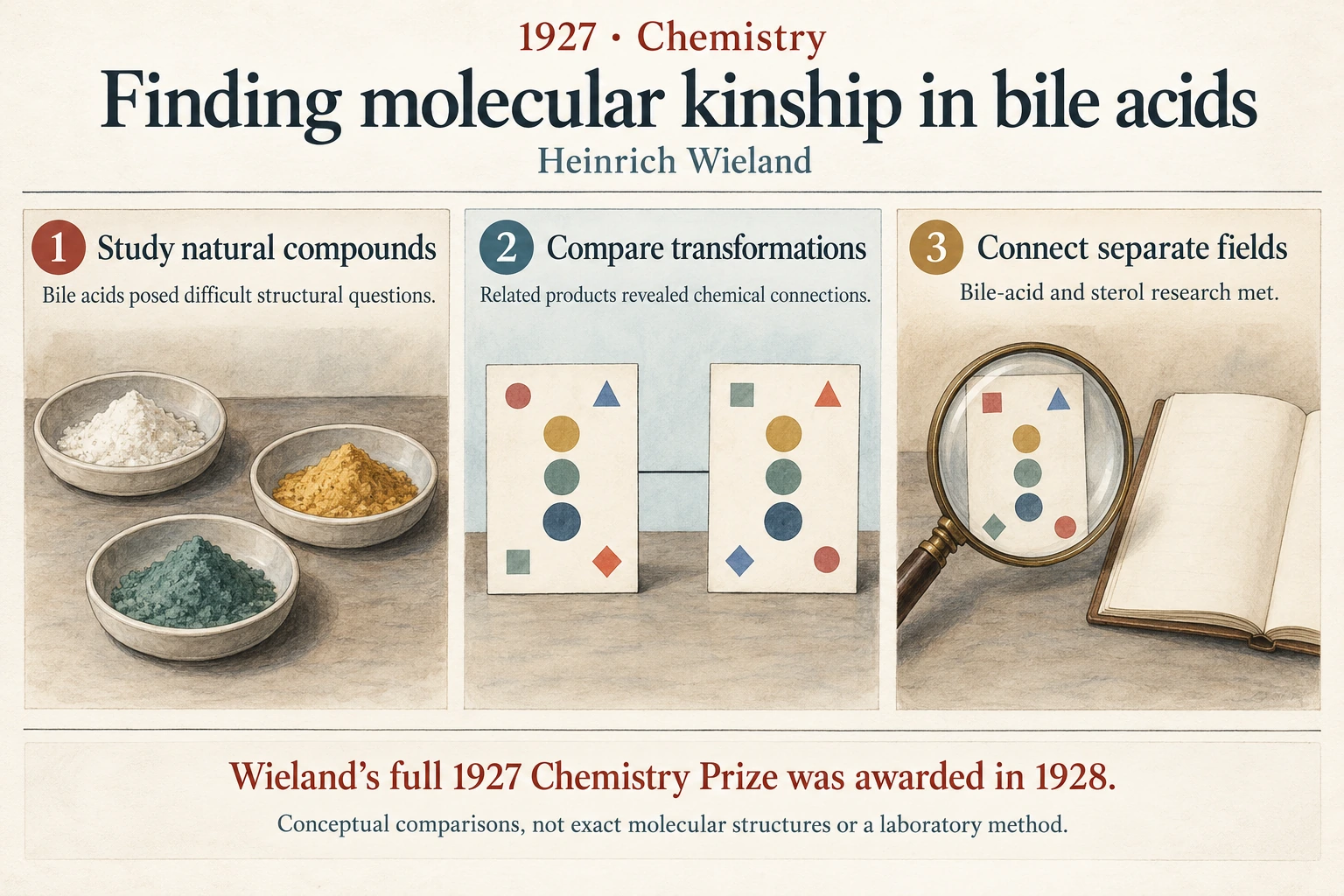
Infographic explaining Finding molecular kinship in bile acids
Original AI-generated infographic. A conceptual overview; the explanations and sources below provide context.
Read the poster text

Wieland’s full 1927 Chemistry Prize was awarded in 1928.

  1. Study natural compounds

    Bile acids posed difficult structural questions.

  2. Compare transformations

    Related products revealed chemical connections.

  3. Connect separate fields

    Bile-acid and sterol research met.

Conceptual comparisons, not exact molecular structures or a laboratory method.

01 · The discovery

The idea, in everyday language

Bile acids participate in digestion, but knowing a substance’s biological setting does not reveal its molecular constitution. When Wieland began his investigations, researchers had accumulated observations about several bile acids without a clear account of all their relationships. He compared products obtained through chemical transformations to identify common features.

A parent substance, cholanic acid, became an important point of connection. Windaus obtained the same substance from cholesterol, linking sterol chemistry with Wieland’s bile-acid work. These results brought apparently separate families of natural substances into a connected chemical picture. The full modern steroid framework continued to be clarified in later research.

Why it matters

The investigations connected organic chemistry with biological substances and functions. They showed why detailed work on difficult compounds could reveal broader relationships. Wieland’s 1927 prize and Windaus’s 1928 prize recognized complementary investigations, each as a separate full award.
02 · The people

Who brought the idea to life?

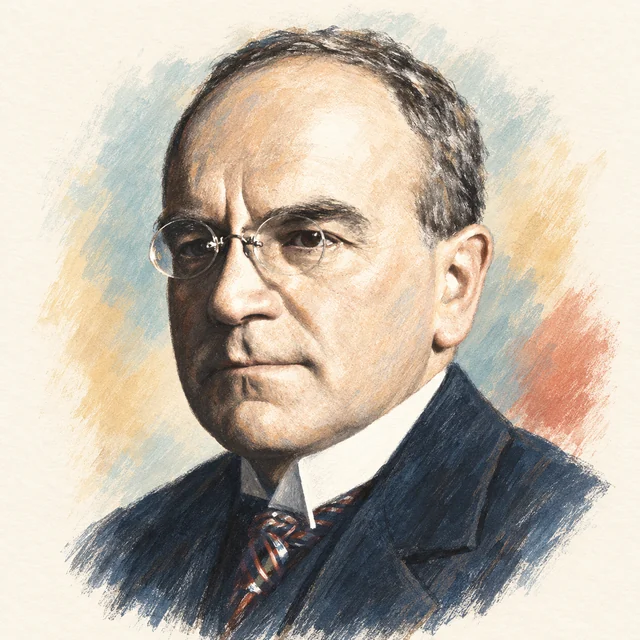
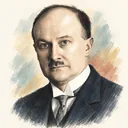
Illustrated portrait of Heinrich Wieland

Heinrich Wieland

Prize share · 1

Wieland received the full 1927 Chemistry Prize, awarded in 1928, for investigations of bile-acid constitution and related substances. His chemical comparisons helped reveal relationships among complex natural compounds.

Read the biography ↗

03 · Years in the making

The path here

  1. 1901

    Wieland completes his doctorate in Munich.

  2. 1912

    His publications on bile acids begin.

  3. 1928

    The reserved full Chemistry Prize for 1927 is announced and presented.

  4. 1932

    Later work clarifies the steroid carbon framework.

04 · Read further

From the original sources

Original explanations by Curionode, based on the official records below. Biographical details and affiliations refer to the award year.

  1. Official award summary nobelprize.org
  2. Award ceremony speech nobelprize.org

More in Chemistry

Browse this subject ↗