c.curionodeThe Nobel Archive

1928 · Physics

Why a heated metal emits electrons

Richardson connected thermionic emission with the electrons in a metal. His temperature-dependent law and experiments helped make electron sources understandable and controllable.

Thermionic emissionHeated metalsElectron sources1928 prize awarded in 1929
1928Physics

Visual guide

The prize, pictured

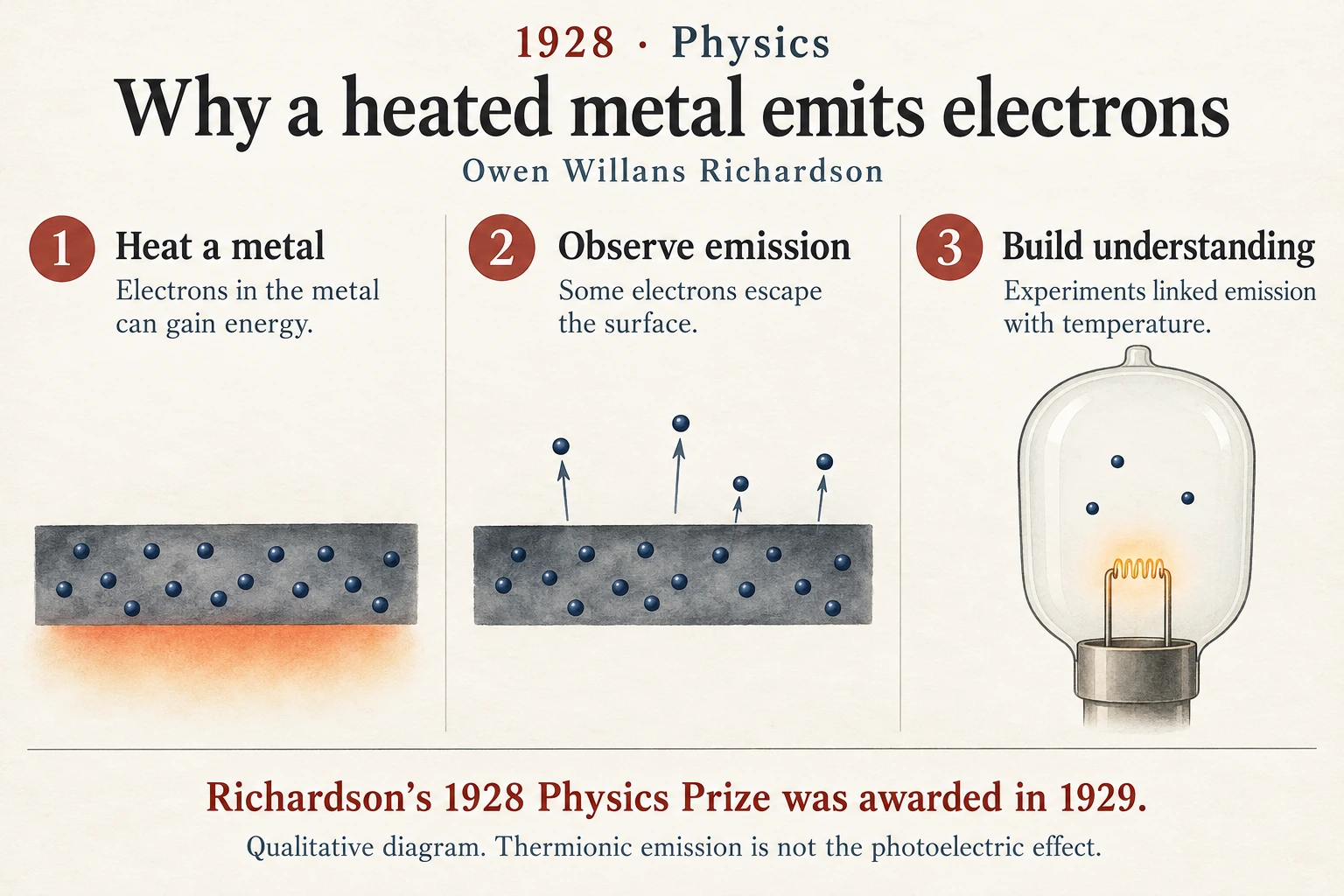
Infographic explaining Why a heated metal emits electrons
Original AI-generated infographic. A conceptual overview; the explanations and sources below provide context.
Read the poster text

Richardson’s 1928 Physics Prize was awarded in 1929.

  1. Heat a metal

    Electrons in the metal can gain energy.

  2. Observe emission

    Some electrons escape the surface.

  3. Build understanding

    Experiments linked emission with temperature.

Qualitative diagram. Thermionic emission is not the photoelectric effect.

01 · The discovery

The idea, in everyday language

A hot metal can release electrons from its surface. The effect does not require light to knock them out, and it does not depend on air as the source of the electrons. Richardson treated it as an effect of the metal’s mobile electrons and investigated how the emitted current changes with temperature.

His early law was presented in 1901. Establishing that the phenomenon obeyed a dependable relation required years of experiments, including challenges from explanations based on impurities or chemical reactions. The work provided a foundation used by others in electron-emitting filaments and electronic valves.

Why it matters

Reliable electron emission mattered for valve electronics, amplification and other electron-based instruments. Richardson helped establish a physical account of the source; the construction of particular amplifiers and tubes also involved many other inventors and engineers.
02 · The people

Who brought the idea to life?

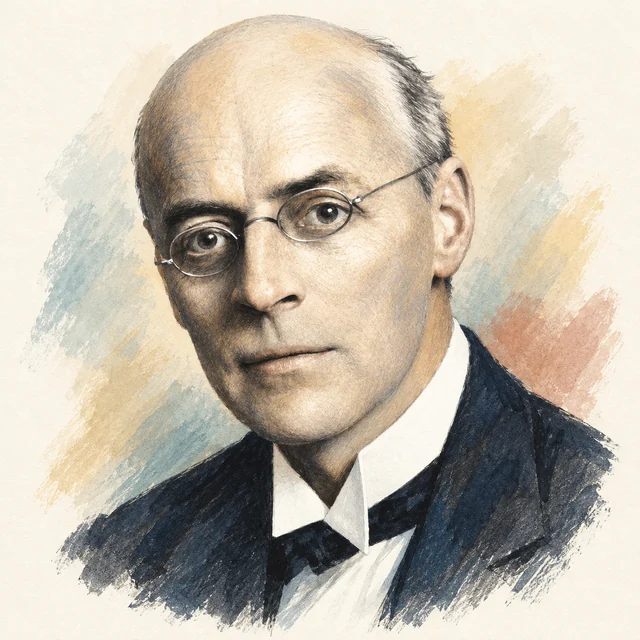
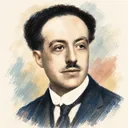
Illustrated portrait of Owen Willans Richardson

Owen Willans Richardson

Prize share · 1

Richardson received the full 1928 Physics Prize, awarded in 1929, for thermionic research and especially the law relating emission to temperature. He established an experimentally tested account of electrons escaping heated metals.

Read the biography ↗

03 · Years in the making

The path here

  1. 1901

    Richardson presents his early law for emission from heated metals.

  2. 1914

    He becomes Wheatstone Professor at King’s College in the University of London.

  3. 1929

    He receives the reserved full Physics Prize for 1928.

04 · Read further

From the original sources

Original explanations by Curionode, based on the official records below. Biographical details and affiliations refer to the award year.

  1. Official award summary nobelprize.org
  2. Award ceremony speech nobelprize.org