c.curionodeThe Nobel Archive

1948 · Chemistry

Separate a mixture to reveal its complexity

Tiselius developed electrophoresis and adsorption analysis into powerful ways to distinguish substances, especially components of serum proteins.

ElectrophoresisAdsorptionSerum proteinsSeparation methods
1948Chemistry

Visual guide

The prize, pictured

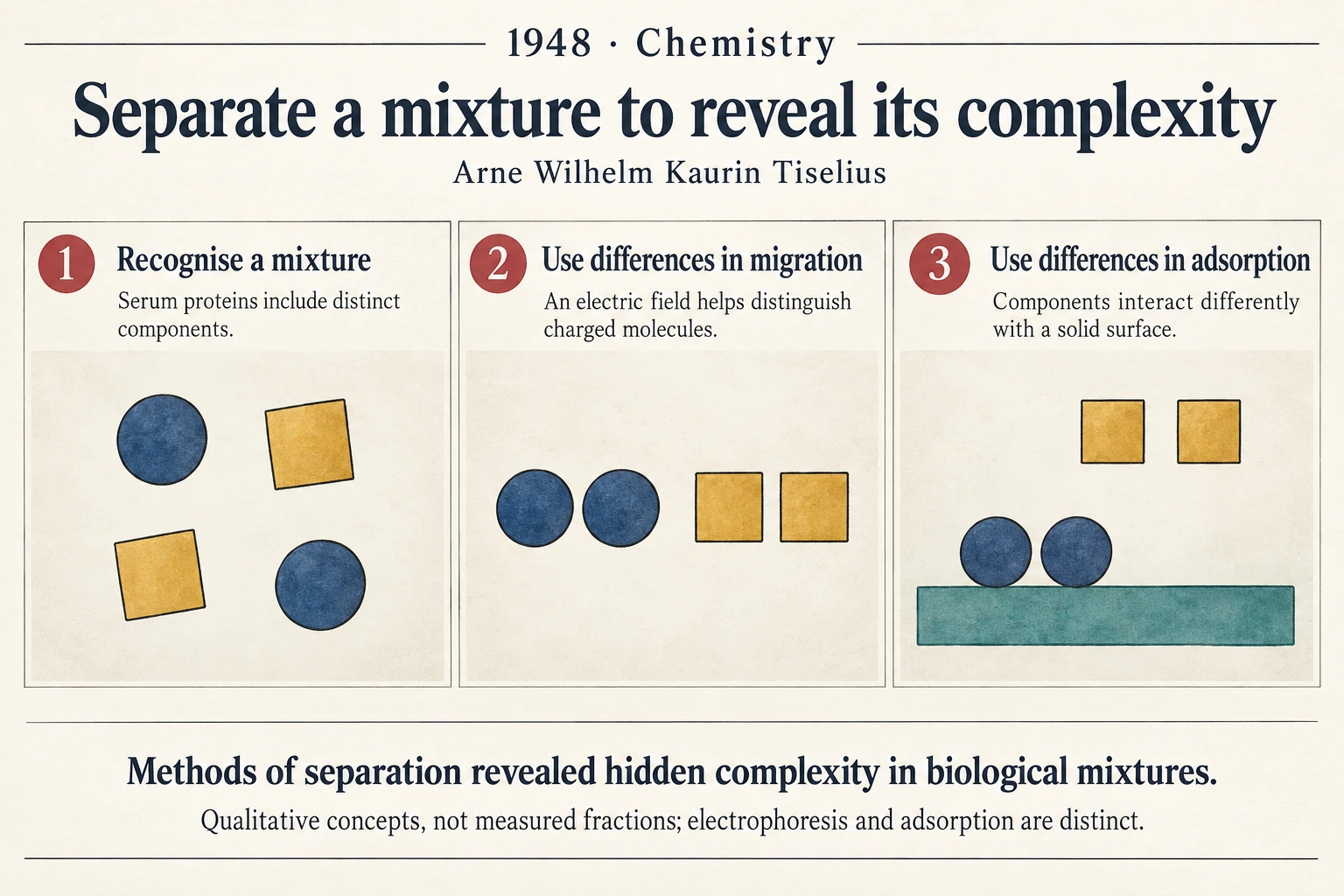
Infographic explaining Separate a mixture to reveal its complexity
Original AI-generated infographic. A conceptual overview; the explanations and sources below provide context.
Read the poster text

Methods of separation revealed hidden complexity in biological mixtures.

  1. Recognise a mixture

    Serum proteins include distinct components.

  2. Use differences in migration

    An electric field helps distinguish charged molecules.

  3. Use differences in adsorption

    Components interact differently with a solid surface.

Qualitative concepts, not measured fractions; electrophoresis and adsorption are distinct.

01 · The discovery

The idea, in everyday language

How can a mixture be understood without treating it as a single substance or destroying its components? In electrophoresis, charged molecules migrate in an electric field. Differences in their motion can help distinguish them. Tiselius carefully studied disturbances and improved the moving-boundary method in solution, making protein measurements more reliable.

Applied to serum, the method revealed that globulins were not a single uniform protein fraction. The award also recognised adsorption analysis: substances can interact differently with a solid surface, allowing separation by a different principle. Tiselius and collaborators, including Stig Claesson, improved ways to study coloured and colourless substances. Electrophoresis and adsorption were complementary analytical methods, not one interchangeable mechanism.

Why it matters

The work helped establish the heterogeneous nature of serum proteins and strengthened biochemical analysis. Reliable methods for separating and characterising complex mixtures supported research on proteins, antibodies and other substances. The contribution extended both the tools of investigation and what researchers could learn with them.
02 · The people

Who brought the idea to life?

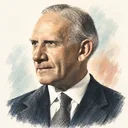
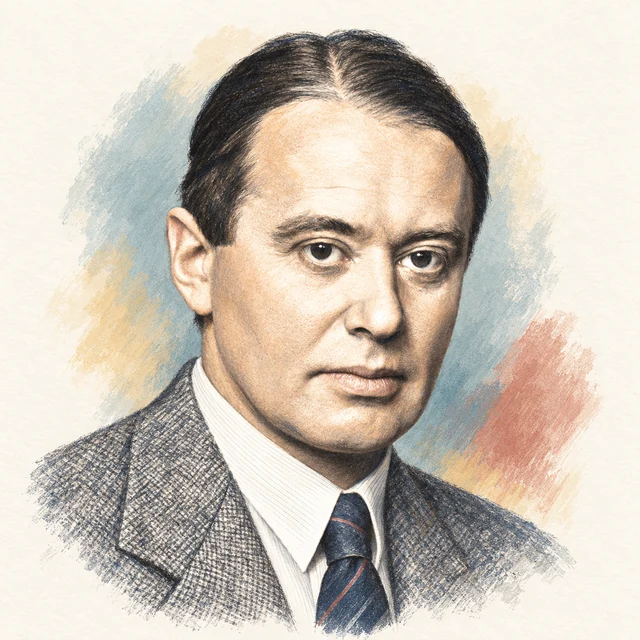
Illustrated portrait of Arne Wilhelm Kaurin Tiselius

Arne Wilhelm Kaurin Tiselius

Prize share · 1

Tiselius made electrophoresis and adsorption analysis powerful tools for separating and characterising mixtures, especially serum proteins. He received the full Chemistry Prize for these methods and discoveries, rather than for inventing every form of separation.

Read the biography ↗

03 · Years in the making

The path here

  1. 1925

    Tiselius becomes an assistant in The Svedberg’s laboratory.

  2. 1930

    His doctorate describes moving-boundary protein electrophoresis.

  3. 1937

    An improved electrophoretic method is published.

  4. 1938

    A research professorship is established for him at Uppsala.

  5. 1946

    Biochemistry becomes an independent department at Uppsala.

  6. 1948

    He receives the Chemistry Prize for electrophoresis, adsorption analysis and serum-protein discoveries.

04 · Read further

From the original sources

Original explanations by Curionode, based on the official records below. Biographical details and affiliations refer to the award year.

  1. Official award summary nobelprize.org
  2. Award ceremony speech nobelprize.org
  3. Official biography: Arne Wilhelm Kaurin Tiselius nobelprize.org

More in Chemistry

Browse this subject ↗