c.curionodeThe Nobel Archive

1951 · Literature

Literature that keeps difficult questions open

Lagerkvist used poetry, drama and fiction to explore belief, suffering and human dignity with artistic force and independence.

Belief and doubtHuman dignityLiterary form
1951Literature

Visual guide

The prize, pictured

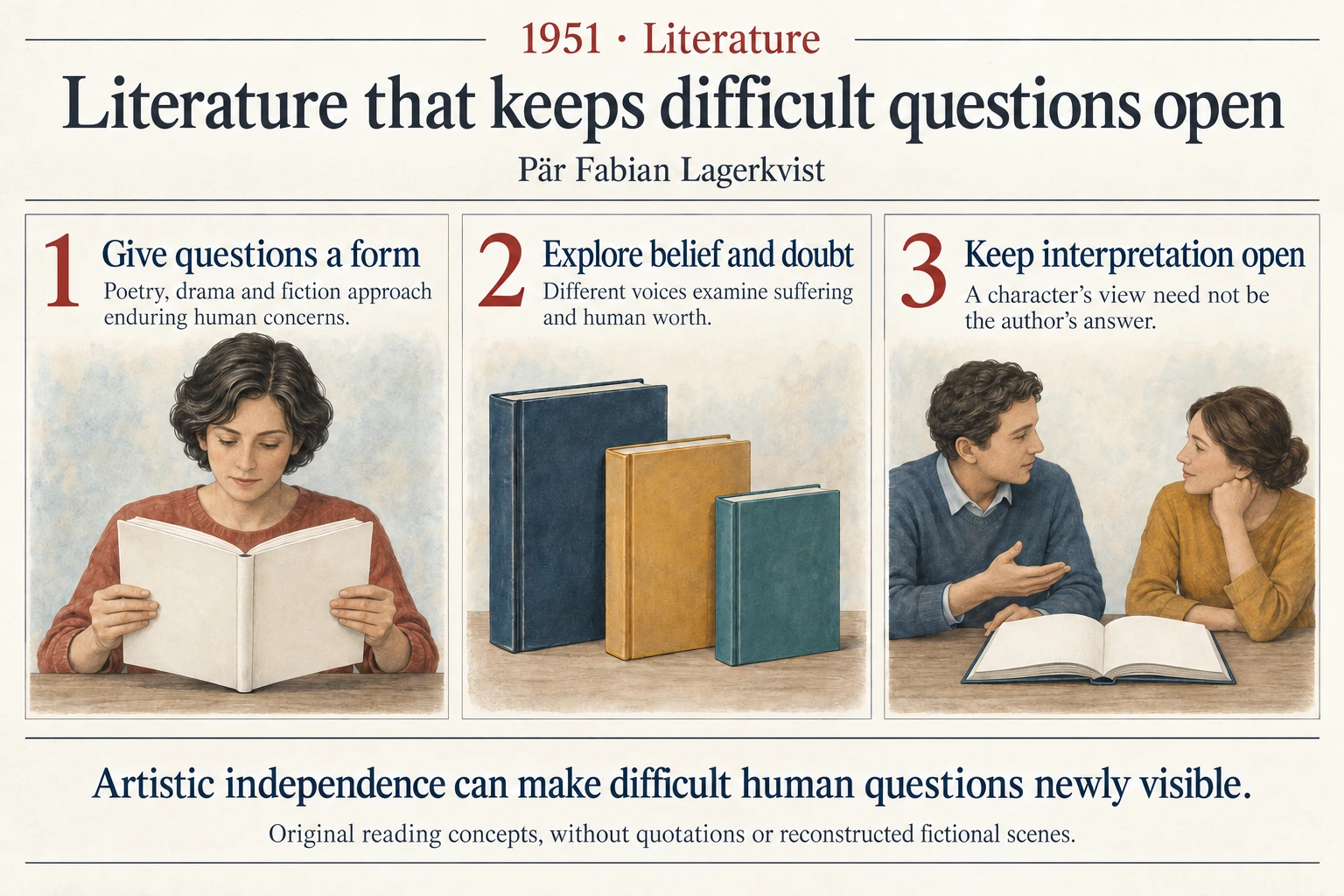
Infographic explaining Literature that keeps difficult questions open
Original AI-generated infographic. A conceptual overview; the explanations and sources below provide context.
Read the poster text

Artistic independence can make difficult human questions newly visible.

  1. Give questions a form

    Poetry, drama and fiction approach enduring human concerns.

  2. Explore belief and doubt

    Different voices examine suffering and human worth.

  3. Keep interpretation open

    A character’s view need not be the author’s answer.

Original reading concepts, without quotations or reconstructed fictional scenes.

01 · The contribution

The idea, in everyday language

How can literary form confront fear, cruelty and the search for meaning without reducing them to a ready answer? Lagerkvist’s writing moved among lyric poetry, drama and prose. His 1913 manifesto drew on encounters with modern art; Ångest in 1916 made anguish a central poetic subject in an age of upheaval.

Works such as Bödeln, Dvärgen and Barabbas examine moral responsibility, violence, belief and exclusion through different forms and voices. The 1951 citation’s reference to poetry belongs to this wider literary achievement. The award was not simply a prize for Barabbas, though the 1950 novel had brought international attention. Questions in a work need not be settled by identifying a character’s outlook with the author’s own.

Why it matters

The recognition drew attention to a Swedish-language writer whose concentrated forms could address readers beyond his immediate setting. Religious imagery and doubt invite interpretation; engagement does not require sharing a religious belief or agreeing with the narrator.
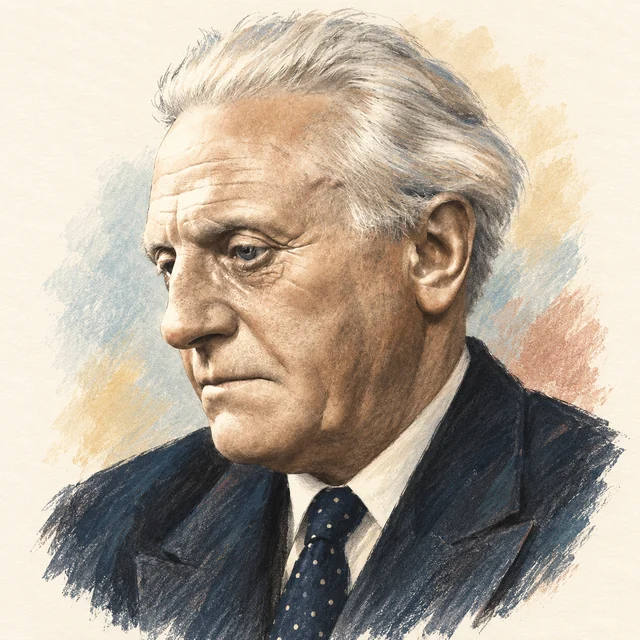
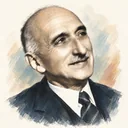
02 · The people

Who brought the idea to life?

03 · Years in the making

The path here

  1. 1913

    Lagerkvist publishes Ordkonst och bildkonst.

  2. 1916

    Ångest appears.

  3. 1933

    Bödeln appears.

  4. 1940

    He joins the Swedish Academy.

  5. 1944

    Dvärgen appears.

  6. 1950

    Barabbas appears.

  7. 1951

    He receives the Literature Prize.

04 · Read further

From the original sources

Original explanations by Curionode, based on the official records below. Biographical details and affiliations refer to the award year.

  1. Official award summary nobelprize.org
  2. Award ceremony speech nobelprize.org
  3. Official biography: Pär Fabian Lagerkvist nobelprize.org

More in Literature

Browse this subject ↗