c.curionodeThe Nobel Archive

1958 · Physiology or Medicine

Genes, chemical steps and bacterial exchange

Biochemical experiments and bacterial recombination made the action and organisation of genes easier to investigate.

Biochemical geneticsBacterial recombinationGene action
1958Physiology or Medicine

Visual guide

The prize, pictured

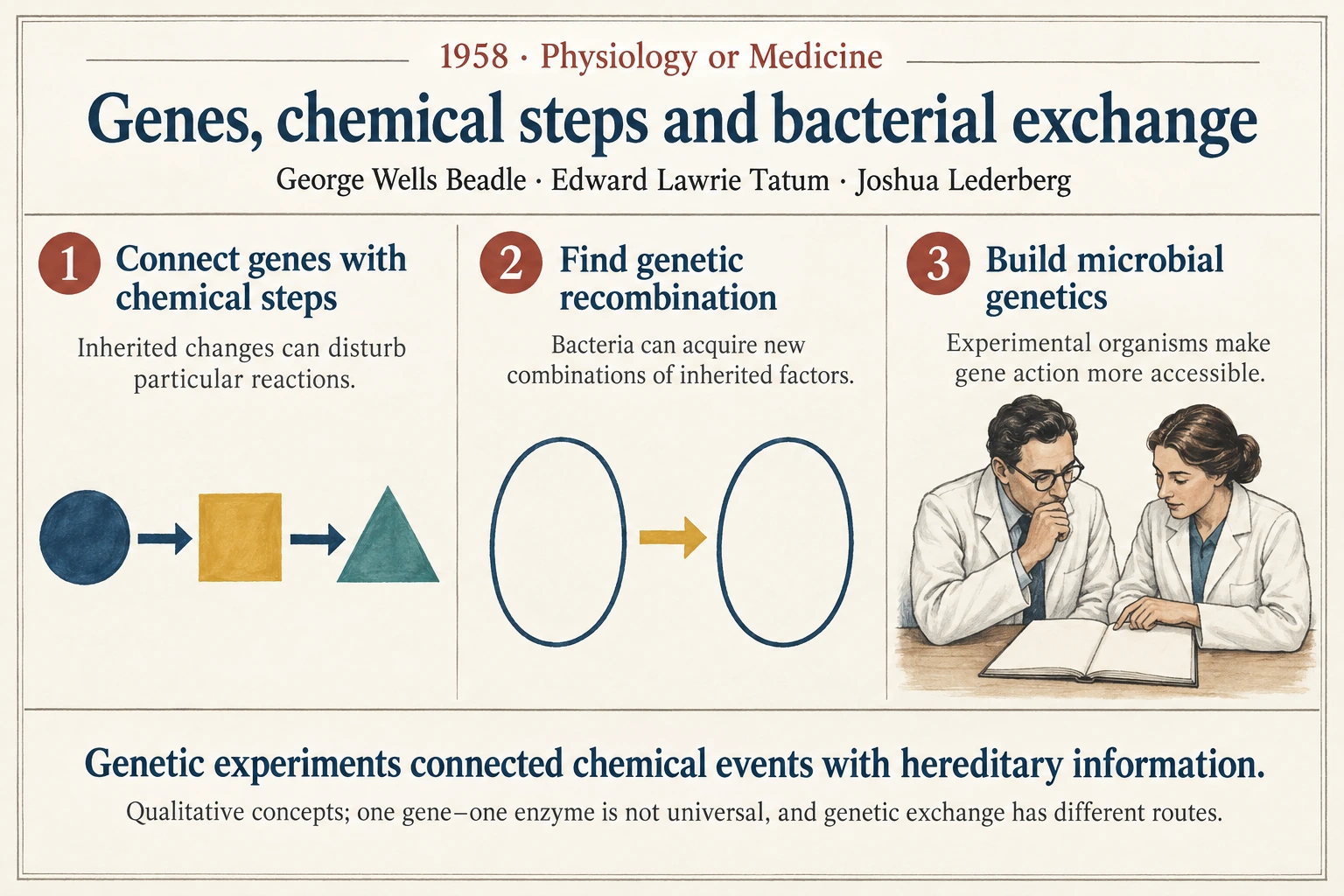
Infographic explaining Genes, chemical steps and bacterial exchange
Original AI-generated infographic. A conceptual overview; the explanations and sources below provide context.
Read the poster text

Genetic experiments connected chemical events with hereditary information.

  1. Connect genes with chemical steps

    Inherited changes can disturb particular reactions.

  2. Find genetic recombination

    Bacteria can acquire new combinations of inherited factors.

  3. Build microbial genetics

    Experimental organisms make gene action more accessible.

Qualitative concepts; one gene–one enzyme is not universal, and genetic exchange has different routes.

01 · The discovery

The idea, in everyday language

Inherited characteristics were familiar, but it was difficult to connect a particular gene with a definite chemical event. Bacteria also seemed to reproduce only by division, leaving the possibility of genetic exchange uncertain.

Beadle and Tatum’s 1941 Neurospora work linked inherited changes with failures in specific biochemical steps. Their gene–enzyme principle made metabolism accessible to genetic analysis. Lederberg and Tatum reported bacterial recombination in 1946: new combinations of inherited factors could emerge from different strains. Lederberg’s further work, including transduction with Norton Zinder in 1952, showed another route in which bacterial viruses could carry genetic material.

Why it matters

These discoveries connected genetics with biochemistry and helped establish microbial genetics as an experimental field. Beadle and Tatum each received one quarter of the prize for the regulation of definite chemical events; Lederberg received one half for bacterial recombination and the organisation of genetic material. The field also depended on collaborators, including Esther Lederberg’s phage research and joint replica-plating work.
02 · The people

Who brought the idea to life?

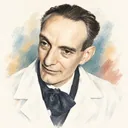
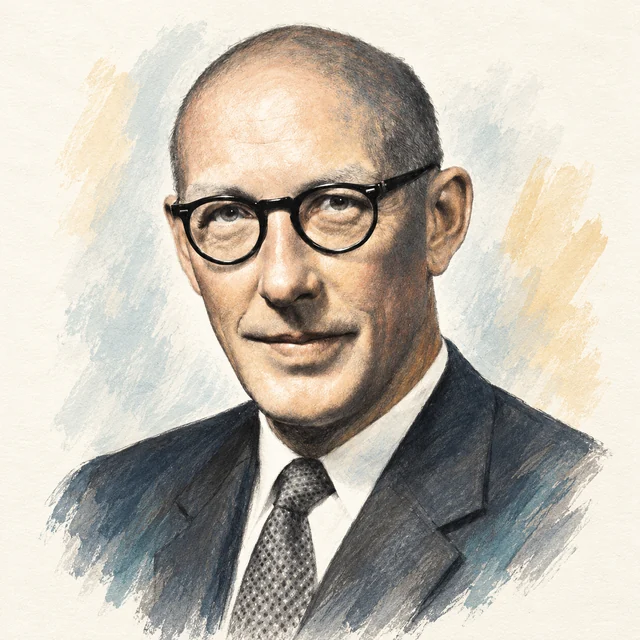
Illustrated portrait of Edward Lawrie Tatum

Edward Lawrie Tatum

Prize share · 1/4

Tatum supplied biochemical methods and interpretation to the gene-action studies with Beadle. He received one quarter of the Medicine Prize; his collaboration with Lederberg also helped establish bacterial recombination.

Read the biography ↗
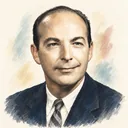
Illustrated portrait of Joshua Lederberg

Joshua Lederberg

Prize share · 1/2

Lederberg established genetic recombination and developed the study of bacterial hereditary material, including transduction with Zinder. He received one half of the Medicine Prize.

Read the biography ↗

03 · Years in the making

The path here

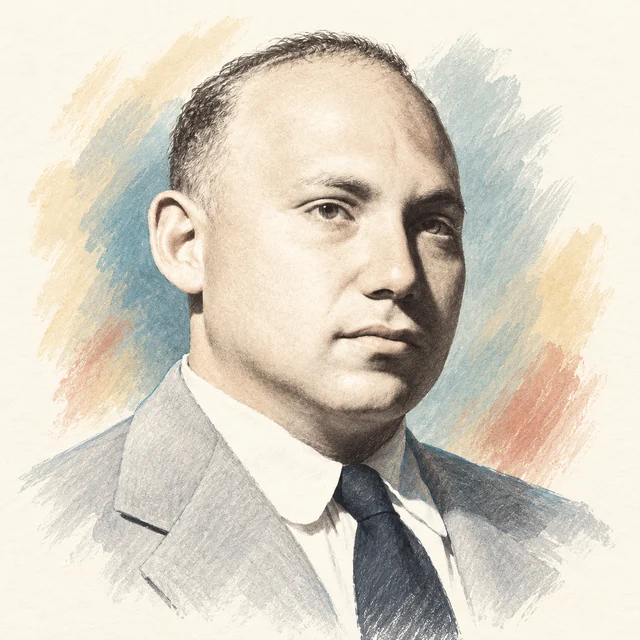
  1. 1931

    Beadle completes his Cornell doctorate.

  2. 1934

    Tatum completes his biochemistry doctorate.

  3. 1937

    Beadle and Tatum begin their Stanford collaboration.

  4. 1941

    They report genetic control of biochemical reactions in Neurospora.

  5. 1946

    Lederberg and Tatum report bacterial genetic recombination.

  6. 1947

    Lederberg joins Wisconsin.

  7. 1951

    Esther Lederberg’s first lambda-phage report is published.

  8. 1952

    Zinder and Lederberg report transduction; the Lederbergs publish replica-plating work.

  9. 1957

    Tatum joins Rockefeller; Lederberg organises Wisconsin’s medical genetics department.

  10. 1958

    The prize recognises the two related lines of research with unequal shares.

04 · Read further

From the original sources

Original explanations by Curionode, based on the official records below. Biographical details and affiliations refer to the award year.

  1. Official award summary nobelprize.org
  2. Award ceremony speech nobelprize.org
  3. NHGRI gene–enzyme history genome.gov
  4. Original bacterial recombination publication nature.com
  5. Original transduction publication metadata pubmed.ncbi.nlm.nih.gov
  6. Stanford Esther Lederberg biography med.stanford.edu
  7. NHGRI gene expression genome.gov
  8. Rockefeller Tatum archive record digitalcommons.rockefeller.edu
  9. Official biography: George Wells Beadle nobelprize.org
  10. Official biography: Edward Lawrie Tatum nobelprize.org
  11. Official biography: Joshua Lederberg nobelprize.org

More in Physiology or Medicine

Browse this subject ↗