c.curionodeThe Nobel Archive

1963 · Physiology or Medicine

Explaining nerve impulses and synaptic responses

Membrane currents explain nerve-impulse generation, while synaptic excitation and inhibition influence a neuron’s response.

Membrane currentsNerve impulsesSynaptic excitation and inhibition
1963Physiology or Medicine

Visual guide

The prize, pictured

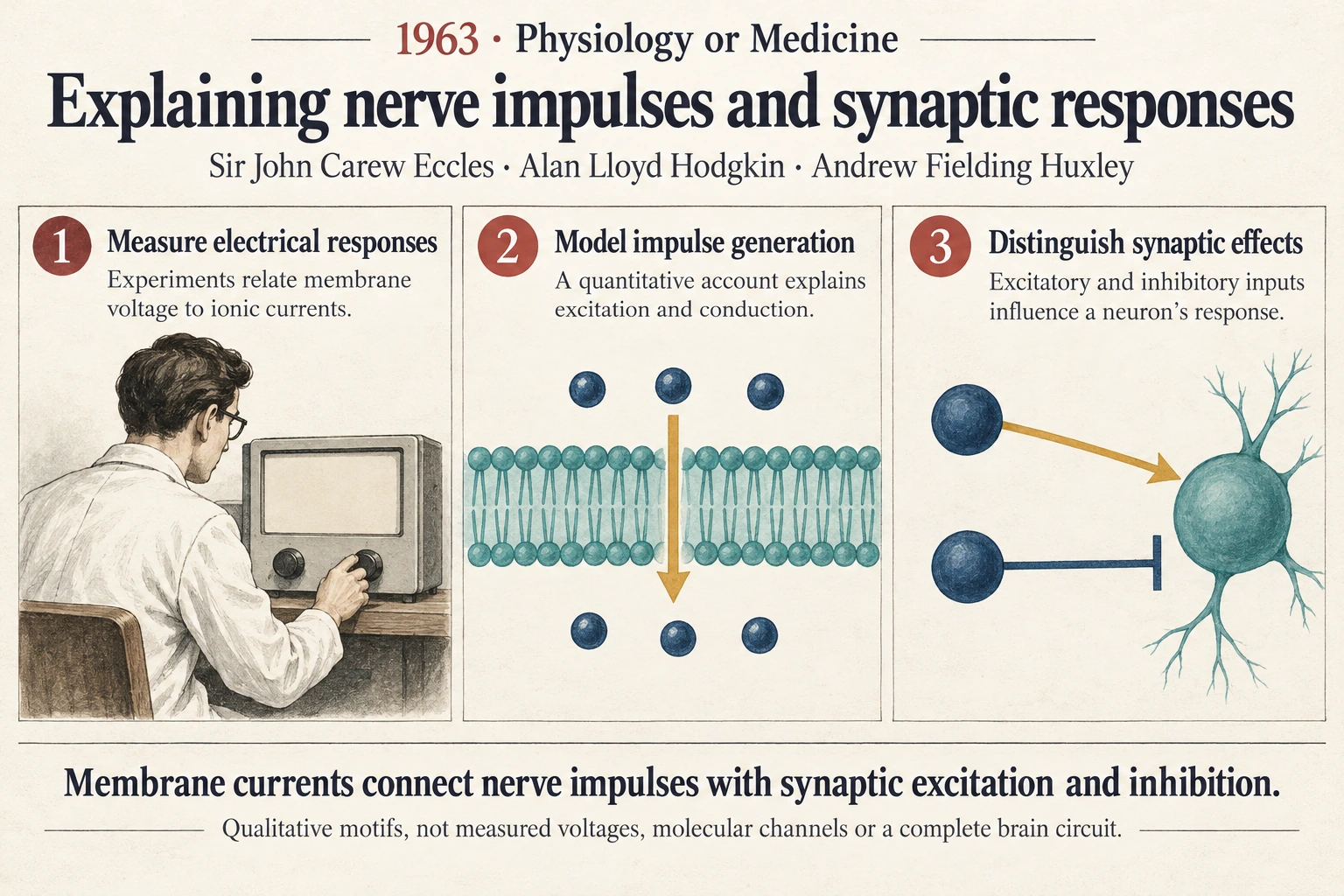
Infographic explaining Explaining nerve impulses and synaptic responses
Original AI-generated infographic. A conceptual overview; the explanations and sources below provide context.
Read the poster text

Membrane currents connect nerve impulses with synaptic excitation and inhibition.

  1. Measure electrical responses

    Experiments relate membrane voltage to ionic currents.

  2. Model impulse generation

    A quantitative account explains excitation and conduction.

  3. Distinguish synaptic effects

    Excitatory and inhibitory inputs influence a neuron’s response.

Qualitative motifs, not measured voltages, molecular channels or a complete brain circuit.

01 · The discovery

The idea, in everyday language

Nerves transmit impulses, but the changing electrical signal needed a physical explanation. Researchers also needed to distinguish the processes generating an impulse within an axon from the effects of signals arriving at synapses.

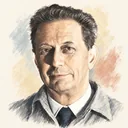
Hodgkin and Huxley measured the squid giant axon, separated sodium and potassium current contributions and developed their quantitative 1952 model. Cole’s apparatus and work with Katz and others supported the experiments. Eccles, with Brock, Coombs, Fatt and other collaborators, recorded intracellular synaptic responses and clarified their ionic mechanisms.

Why it matters

The work connected electrophysiological measurements with mechanisms and quantitative predictions. Each laureate received one third. Hodgkin and Huxley’s account of impulse generation and Eccles’s account of synaptic responses were complementary contributions, rather than one identical experiment.
02 · The people

Who brought the idea to life?

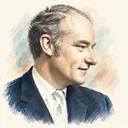
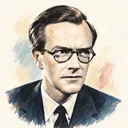
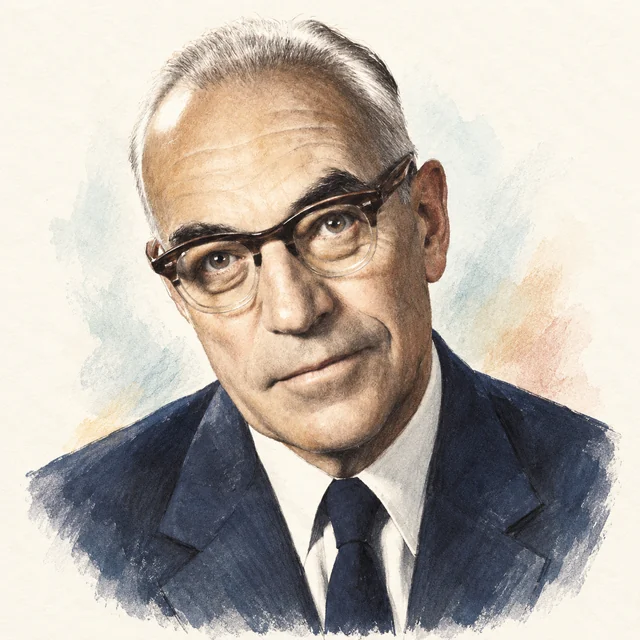
Illustrated portrait of Alan Lloyd Hodgkin

Alan Lloyd Hodgkin

Prize share · 1/3

Hodgkin and Huxley explained nerve-impulse generation through membrane currents and a quantitative model. Hodgkin received one third of the Medicine Prize.

Read the biography ↗
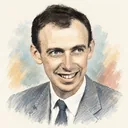
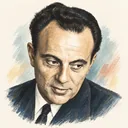
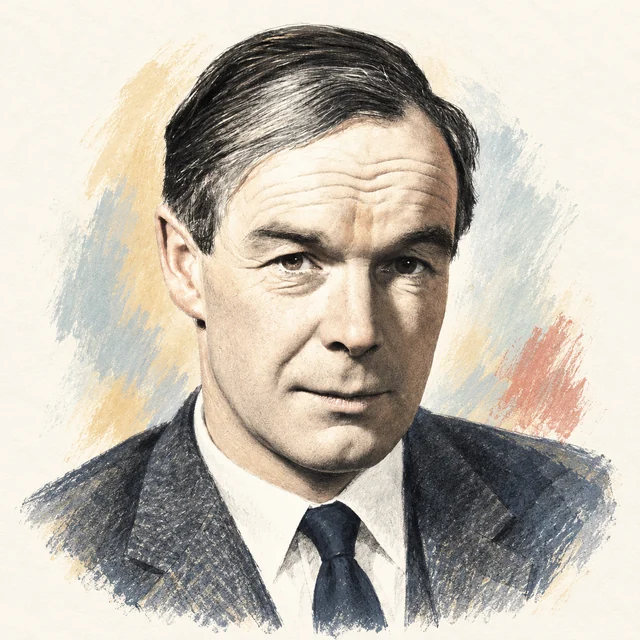
Illustrated portrait of Andrew Fielding Huxley

Andrew Fielding Huxley

Prize share · 1/3

Huxley, with Hodgkin and collaborators, developed the quantitative account of membrane currents and nerve conduction. He received one third of the Medicine Prize.

Read the biography ↗

03 · Years in the making

The path here

  1. 1939

    Hodgkin and Huxley record from inside the squid giant axon.

  2. 1947

    Cole develops feedback voltage-clamp apparatus.

  3. 1948

    Hodgkin, Huxley and Katz undertake Plymouth experiments.

  4. 1951

    Brock, Coombs and Eccles record intracellular synaptic responses.

  5. 1952

    Hodgkin and Huxley publish their quantitative model.

  6. 1960

    Huxley moves to University College London.

  7. 1963

    The three physiologists share the prize.

04 · Read further

From the original sources

Original explanations by Curionode, based on the official records below. Biographical details and affiliations refer to the award year.

  1. Official award summary nobelprize.org
  2. Award ceremony speech nobelprize.org
  3. Hodgkin–Huxley 1952 publication metadata pmc.ncbi.nlm.nih.gov
  4. Huxley first-person historical account pmc.ncbi.nlm.nih.gov
  5. Official biography: Sir John Carew Eccles nobelprize.org
  6. Official biography: Alan Lloyd Hodgkin nobelprize.org
  7. Official biography: Andrew Fielding Huxley nobelprize.org

More in Physiology or Medicine

Browse this subject ↗