c.curionodeThe Nobel Archive

1964 · Physics

Amplifying radiation through stimulated emission

Townes, Basov and Prokhorov’s quantum-electronics work made the maser-laser principle a basis for oscillators and amplifiers.

Stimulated emissionPopulation inversionQuantum electronics
1964Physics

Visual guide

The prize, pictured

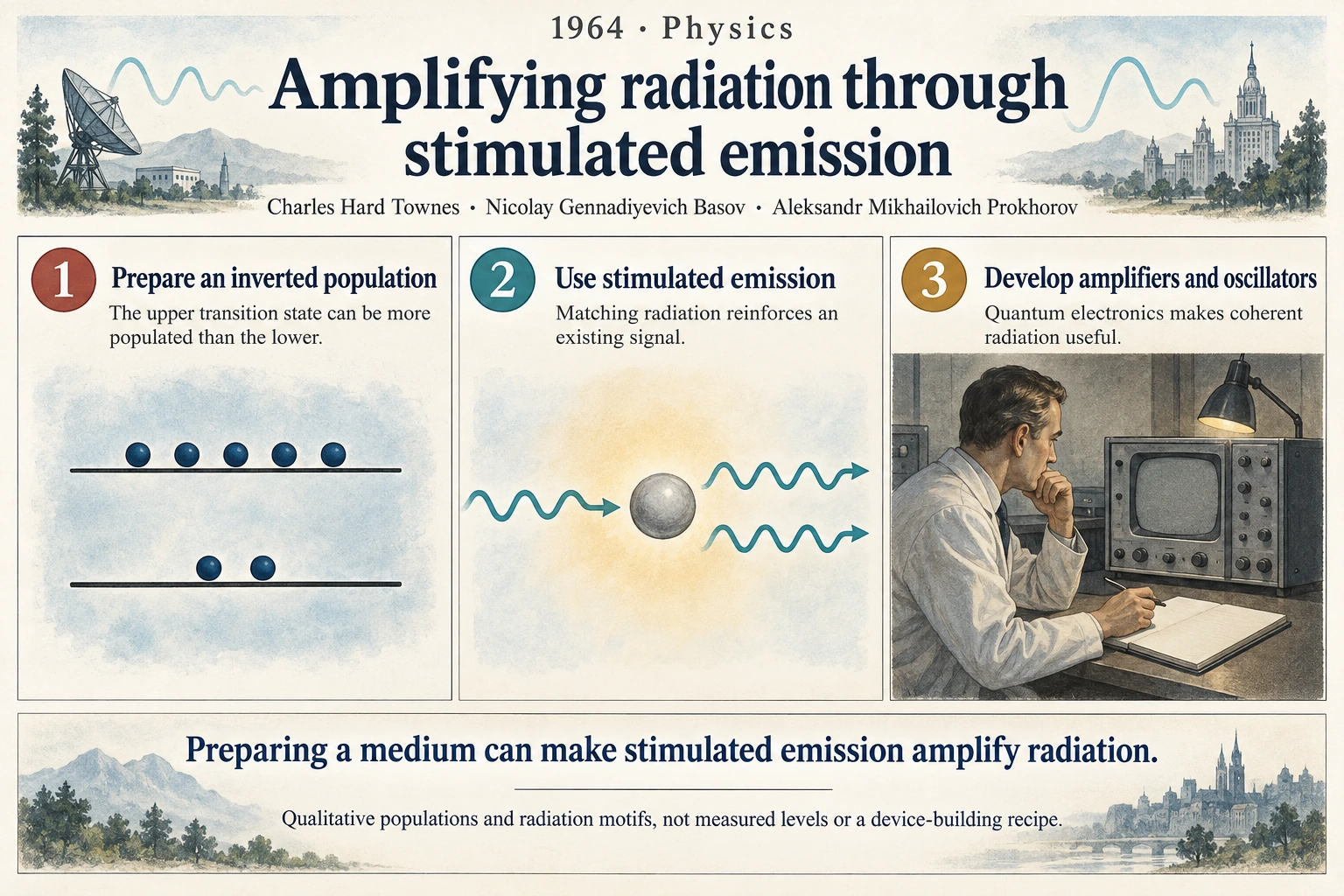
Infographic explaining Amplifying radiation through stimulated emission
Original AI-generated infographic. A conceptual overview; the explanations and sources below provide context.
Read the poster text

Preparing a medium can make stimulated emission amplify radiation.

  1. Prepare an inverted population

    The upper transition state can be more populated than the lower.

  2. Use stimulated emission

    Matching radiation reinforces an existing signal.

  3. Develop amplifiers and oscillators

    Quantum electronics makes coherent radiation useful.

Qualitative populations and radiation motifs, not measured levels or a device-building recipe.

01 · The discovery

The idea, in everyday language

Radiation can stimulate an excited atom or molecule to emit matching radiation. Under ordinary conditions absorption can dominate. Amplification requires suitable preparation, including more particles in the upper than the lower state of the relevant transition: a population inversion.

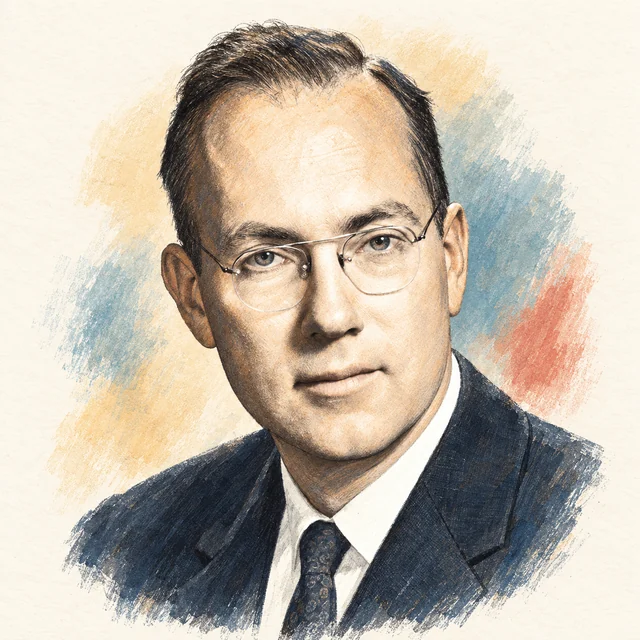
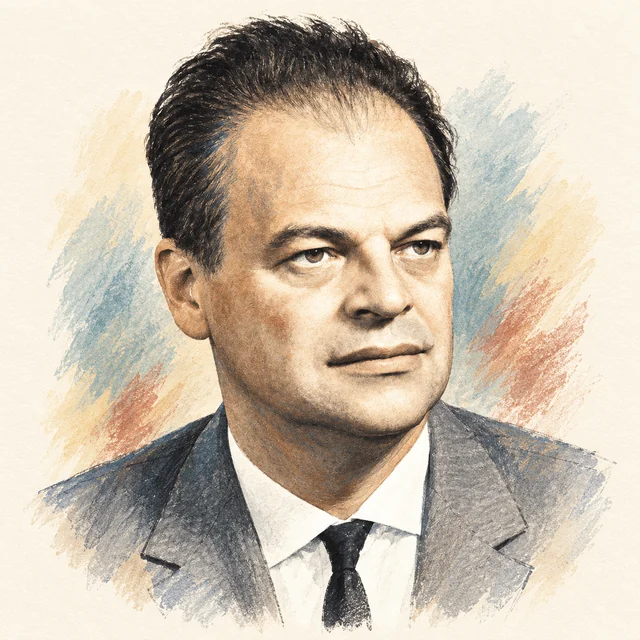
Townes and his Columbia collaborators Gordon and Zeiger made an ammonia maser operate in 1954. Basov and Prokhorov pursued molecular oscillators independently at Lebedev and developed pumping ideas. Optical proposals, including Townes and Schawlow’s 1958 work and Prokhorov’s resonator ideas, extended the principle toward lasers. Maiman demonstrated the first working laser in 1960.

Why it matters

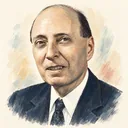
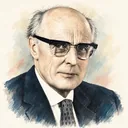
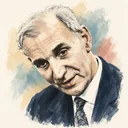
Masers provided sensitive microwave amplification, important in radio astronomy and communications. Lasers opened new ways to study and use coherent light. Townes received one half, while Basov and Prokhorov each received one quarter. Many collaborators contributed to later instruments and applications.
02 · The people

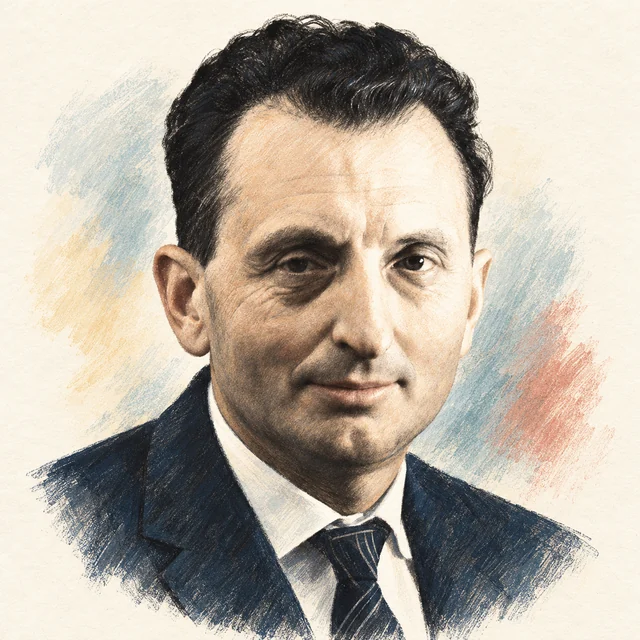
Who brought the idea to life?

03 · Years in the making

The path here

  1. 1917

    Einstein introduces stimulated emission.

  2. 1951

    Townes conceives the maser idea.

  3. 1954

    Columbia’s ammonia maser operates; independent Lebedev work is published.

  4. 1955

    Basov and Prokhorov propose a pumping method.

  5. 1958

    Optical-maser and open-resonator proposals develop.

  6. 1960

    Maiman demonstrates a working laser.

  7. 1964

    The three researchers share the Physics Prize.

04 · Read further

From the original sources

Original explanations by Curionode, based on the official records below. Biographical details and affiliations refer to the award year.

  1. Official award summary nobelprize.org
  2. Award ceremony speech nobelprize.org
  3. Berkeley Townes scientific history news.berkeley.edu
  4. Official biography: Charles Hard Townes nobelprize.org
  5. Official biography: Nicolay Gennadiyevich Basov nobelprize.org
  6. Official biography: Aleksandr Mikhailovich Prokhorov nobelprize.org