c.curionodeThe Nobel Archive

1966 · Physics

Using light to prepare and probe atoms

Kastler’s optical methods made delicate atomic resonances observable through light, linking selective preparation with sensitive measurement.

Optical pumpingAtomic resonanceSensitive measurement
1966Physics

Visual guide

The prize, pictured

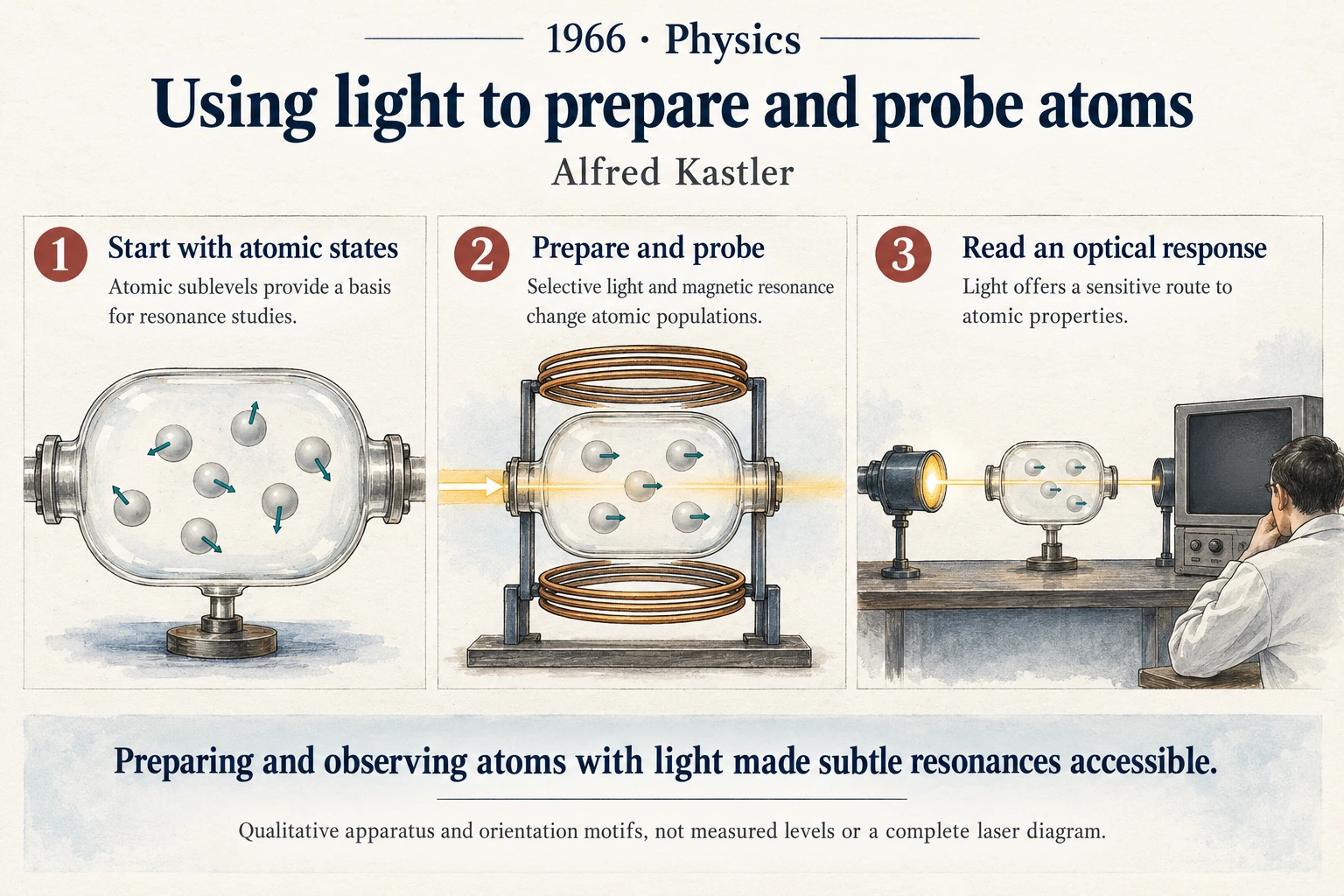
Infographic explaining Using light to prepare and probe atoms
Original AI-generated infographic. A conceptual overview; the explanations and sources below provide context.
Read the poster text

Preparing and observing atoms with light made subtle resonances accessible.

  1. Start with atomic states

    Atomic sublevels provide a basis for resonance studies.

  2. Prepare and probe

    Selective light and magnetic resonance change atomic populations.

  3. Read an optical response

    Light offers a sensitive route to atomic properties.

Qualitative apparatus and orientation motifs, not measured levels or a complete laser diagram.

01 · The discovery

The idea, in everyday language

Atoms have energy levels with finer sublevels whose populations and transitions reveal magnetic properties. Kastler and collaborators combined optical observations with radio-frequency or microwave resonance. Light provided a sensitive way to detect changes that were difficult to measure directly.

Optical pumping uses selective absorption and subsequent emission to redistribute atoms among sublevels, often creating a preferred orientation under suitable conditions. Kastler proposed the technique in 1950; Brossel, Kastler and Winter demonstrated it in 1952. Double resonance and pumping became complementary tools for investigating atomic properties.

Why it matters

These methods supported sensitive measurements of atomic and nuclear properties and helped develop magnetometers and atomic clocks. Optical pumping also mattered in laser development. The prize recognised Kastler’s methods and the team’s research, without making him the sole inventor of every related instrument.
02 · The people

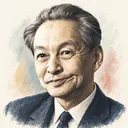
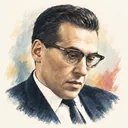
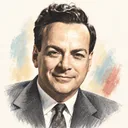
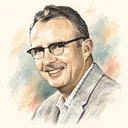
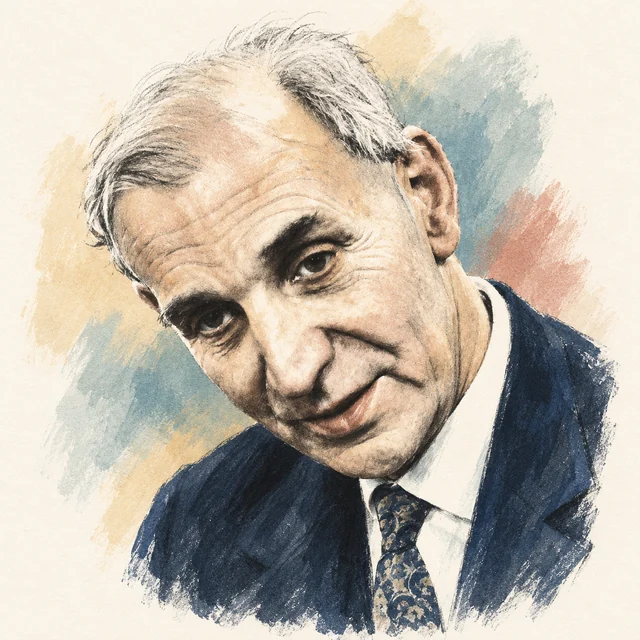
Who brought the idea to life?

03 · Years in the making

The path here

  1. 1921

    Kastler enters the École Normale Supérieure.

  2. 1941

    He begins physics teaching and research in Paris.

  3. 1950

    He proposes optical pumping.

  4. 1952

    Brossel, Kastler and Winter demonstrate the technique.

  5. 1966

    He receives the Physics Prize.

04 · Read further

From the original sources

Original explanations by Curionode, based on the official records below. Biographical details and affiliations refer to the award year.

  1. Official award summary nobelprize.org
  2. Award ceremony speech nobelprize.org
  3. Official biography: Alfred Kastler nobelprize.org