c.curionodeThe Nobel Archive

1973 · Chemistry

A metal held between carbon rings

Ferrocene did not fit a conventional picture of a metal attached to isolated carbon atoms. Fischer and Wilkinson independently established a sandwich structure and opened a wider field of organometallic chemistry.

Organometallic chemistrySandwich compoundsChemical bonding
1973Chemistry

Visual guide

The prize, pictured

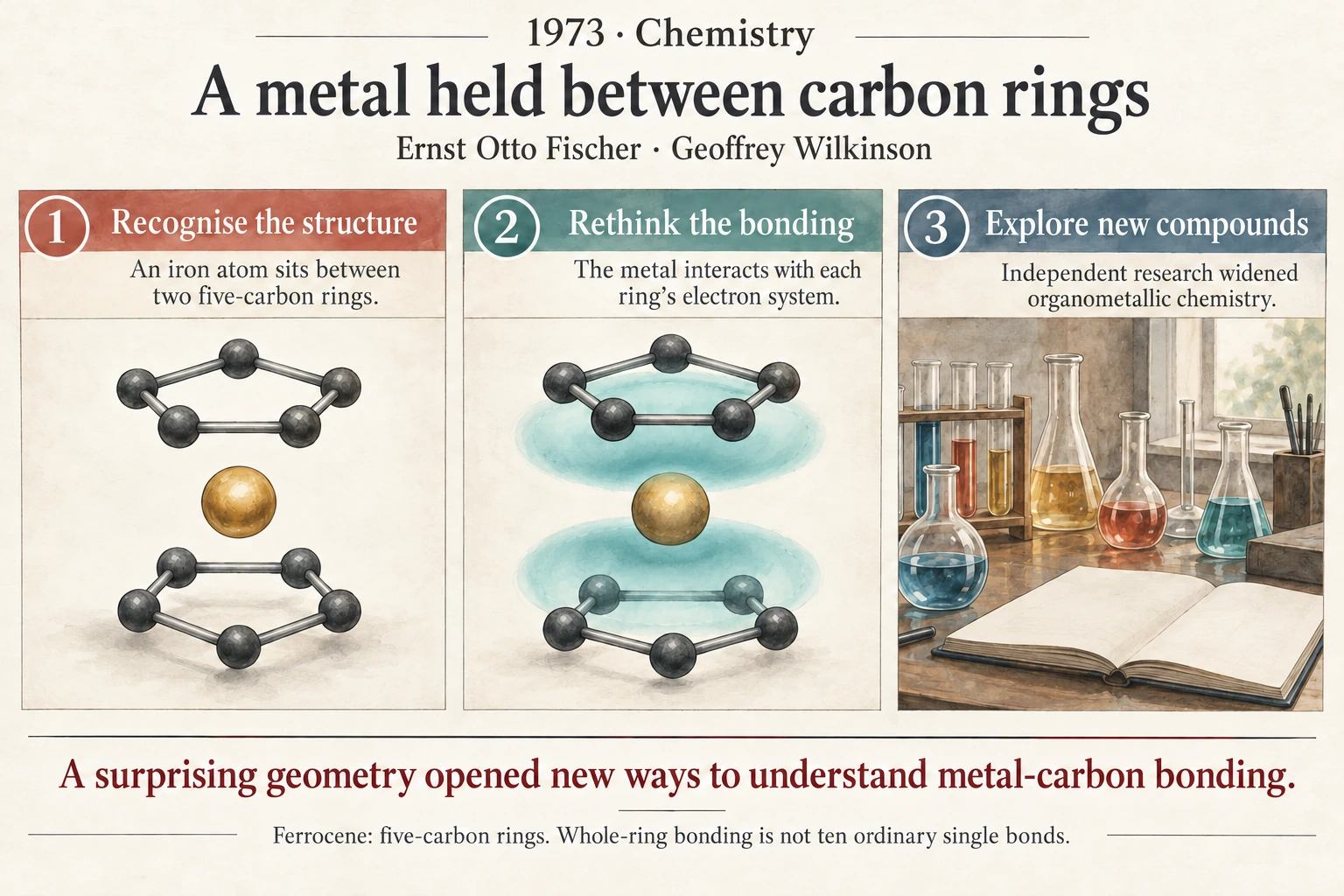
Infographic explaining A metal held between carbon rings
Original AI-generated infographic. A conceptual overview; the explanations and sources below provide context.
Read the poster text

A surprising geometry opened new ways to understand metal-carbon bonding.

  1. Recognise the structure

    An iron atom sits between two five-carbon rings.

  2. Rethink the bonding

    The metal interacts with each ring’s electron system.

  3. Explore new compounds

    Independent research widened organometallic chemistry.

Ferrocene: five-carbon rings. Whole-ring bonding is not ten ordinary single bonds.

01 · The discovery

The idea, in everyday language

Other chemists had already prepared ferrocene. In 1952, Fischer and Wilkinson independently helped explain its surprising structure: an iron atom sits between two five-carbon cyclopentadienyl rings. The interaction involves each ring’s electron system, rather than two ordinary single bonds to isolated ring atoms. Its symmetry and stability challenged the first proposed structural picture.

The work grew into the preparation and study of many related metal complexes. Changing metals and ligands revealed new structures and reactivity. Fischer explored additional classes of metal compounds; Wilkinson’s wider transition-metal research included homogeneous catalysis. Their paths were independent, and not every catalyst or organometallic compound has a sandwich structure.

Why it matters

The discoveries broadened chemists’ understanding of metal-carbon bonding and ways to design new compounds. Organometallic chemistry became an important meeting point of inorganic and organic chemistry, with useful connections to reaction mechanisms and catalysis.
02 · The people

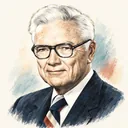
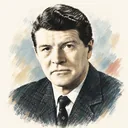
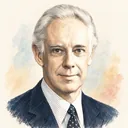
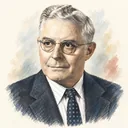
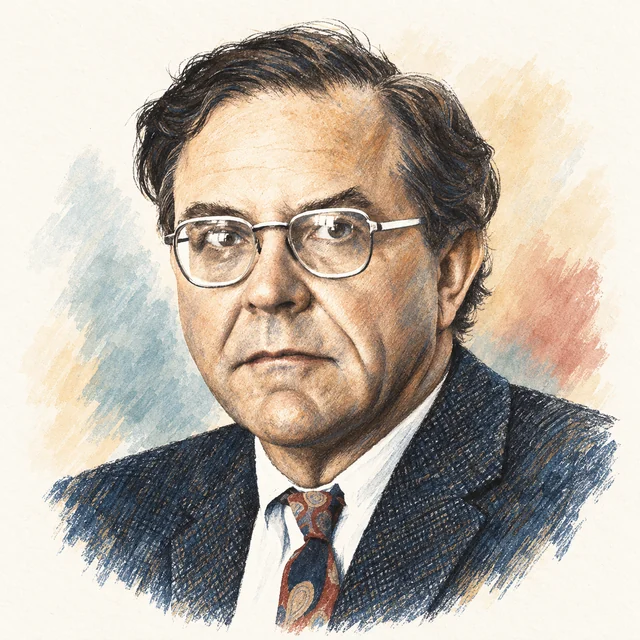
Who brought the idea to life?

03 · Years in the making

The path here

  1. 1952

    Independent work established ferrocene’s sandwich structure.

  2. 1956

    Wilkinson took up his Imperial College chair.

  3. 1964

    Fischer took the inorganic-chemistry chair at Munich’s Technical University.

  4. 1973

    The independent pioneering work shared the Chemistry Prize equally.

04 · Read further

From the original sources

Original explanations by Curionode, based on the official records below. Biographical details and affiliations refer to the award year.

  1. Official announcement nobelprize.org
  2. Official biography: Fischer nobelprize.org
  3. Official biography: Wilkinson nobelprize.org

More in Chemistry

Browse this subject ↗