c.curionodeThe Nobel Archive

1974 · Physiology or Medicine

Connecting the cell’s structures with their jobs

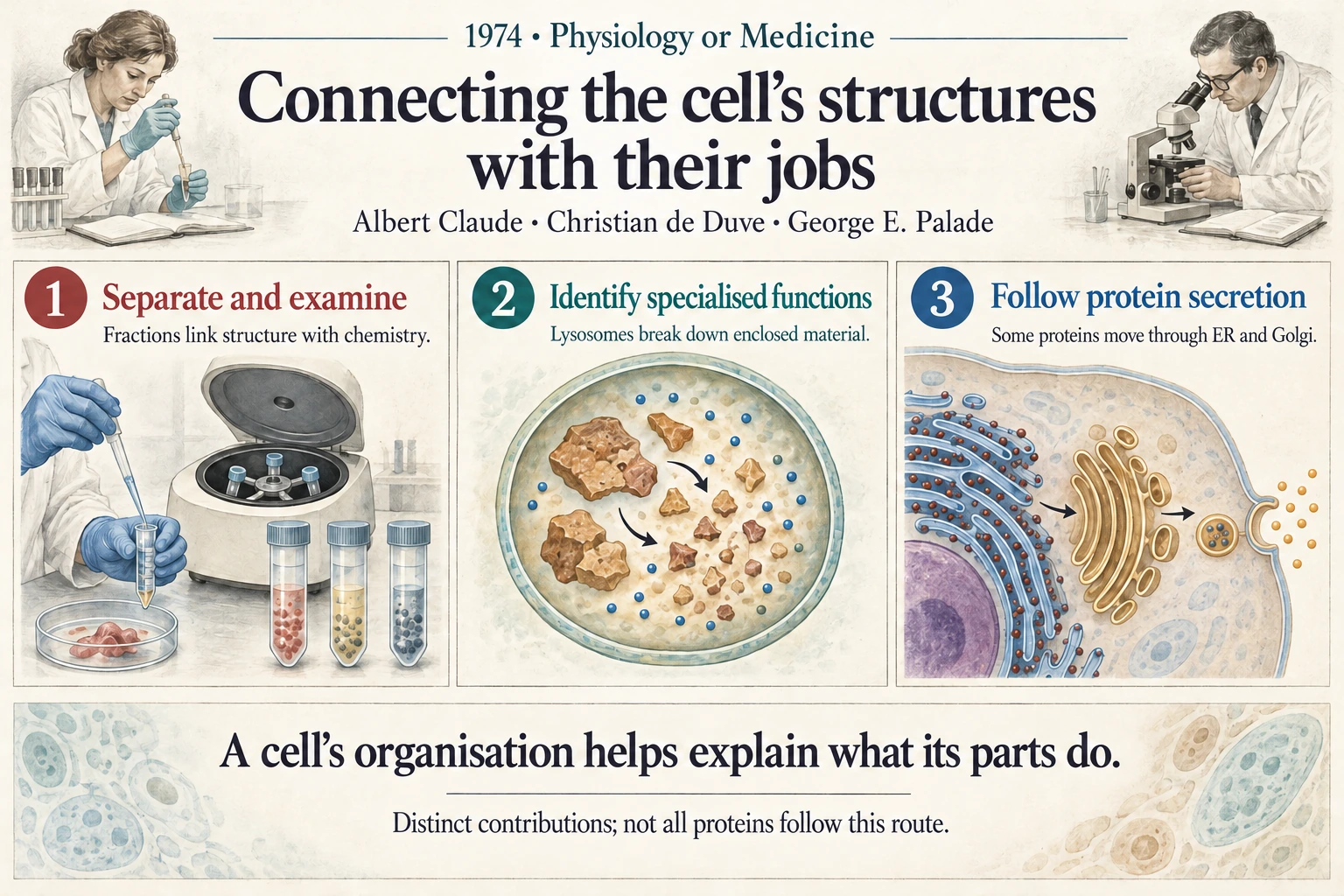
A cell contains specialised compartments, but seeing a shape does not establish its function. Claude, de Duve and Palade combined methods for separating components, examining fine structure and following biochemical activity.

Cell biologyOrganellesProtein secretion
1974Physiology or Medicine

Visual guide

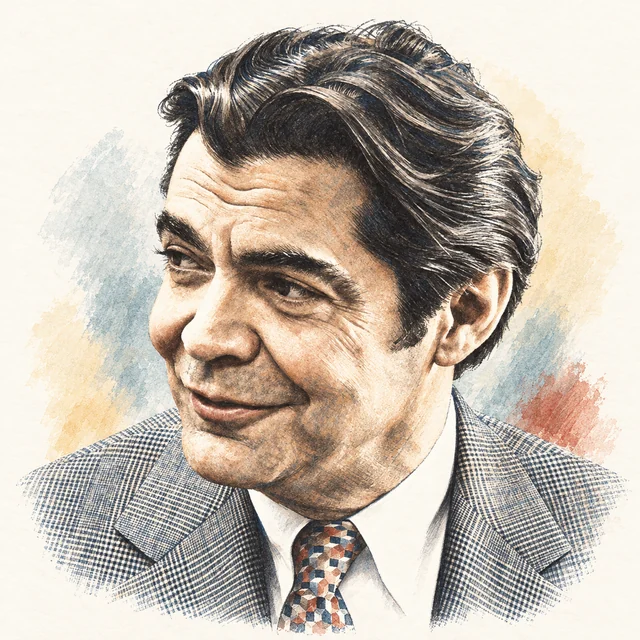
The prize, pictured

Infographic explaining Connecting the cell’s structures with their jobs
Original AI-generated infographic. A conceptual overview; the explanations and sources below provide context.
Read the poster text

A cell’s organisation helps explain what its parts do.

  1. Separate and examine

    Fractions link structure with chemistry.

  2. Identify specialised functions

    Lysosomes break down enclosed material.

  3. Follow protein secretion

    Some proteins move through ER and Golgi.

Distinct contributions; not all proteins follow this route.

01 · The discovery

The idea, in everyday language

Claude developed cell fractionation: cells are disrupted and their components separated through centrifugation, producing fractions that can be examined chemically. Sedimentation depends on size, density and shape, so a fraction is not automatically one pure organelle. Electron microscopy provided detailed structural information. Comparing the chemistry of fractions with their microscopic appearance helped connect components with particular cellular activities.

De Duve’s biochemical work identified lysosomes, membrane-bounded compartments with enzymes that break down material, and later investigated peroxisomes. Palade described the particles now called ribosomes and, with collaborators including Porter, Siekevitz and Jamieson, connected fine structure with protein synthesis and secretion. Proteins destined for secretion could be followed through the endoplasmic reticulum, Golgi system and secretory carriers. Microsomes obtained after breaking cells open were recognised as membrane fragments, rather than a separate intact organelle living inside the original cell.

Why it matters

Together, these approaches established ways to investigate how cellular organisation supports function. They made it possible to connect a structure, its molecules and its activity rather than describing the cell as an undifferentiated container. The discoveries provided foundations for later biological and medical research.
02 · The people

Who brought the idea to life?

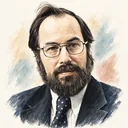
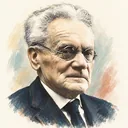
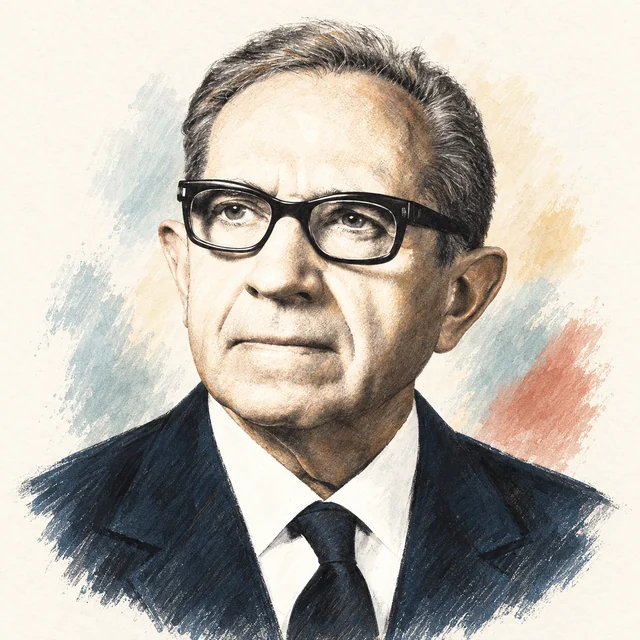
Illustrated portrait of Albert Claude

Albert Claude

Prize share · 1/3

Claude developed cell-fractionation methods and pioneering biological electron microscopy, connecting cellular structure with biochemical study. He received one third of the Medicine Prize.

Read the biography ↗
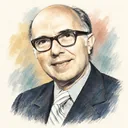
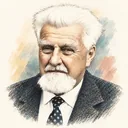
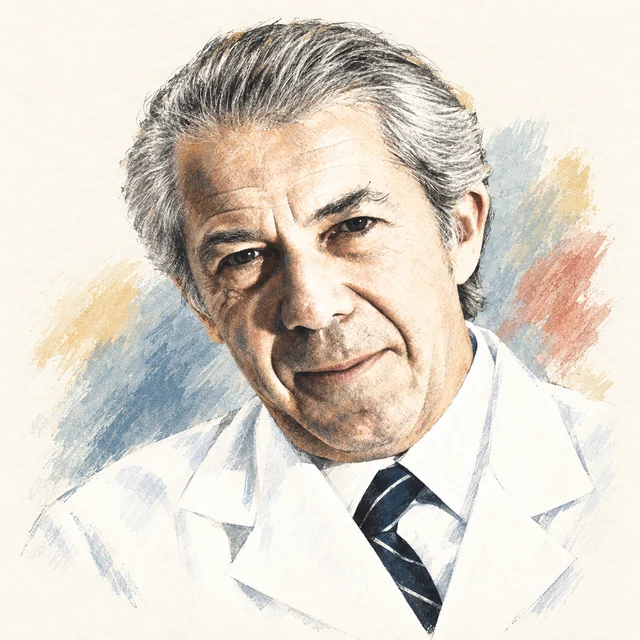
Illustrated portrait of Christian de Duve

Christian de Duve

Prize share · 1/3

De Duve used biochemical analysis and cell fractionation to identify lysosomes and investigate peroxisomes, clarifying specialised cellular functions. He received one third of the Medicine Prize.

Read the biography ↗
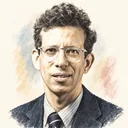
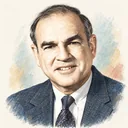
Illustrated portrait of George E. Palade

George E. Palade

Prize share · 1/3

Palade characterised cellular ultrastructure, including ribosomes, and traced the synthesis and intracellular transport of proteins destined for secretion. He received one third of the Medicine Prize.

Read the biography ↗

03 · Years in the making

The path here

  1. 1945

    Pioneering electron-microscope studies revealed new cellular detail.

  2. 1946

    Palade joined Claude at Rockefeller.

  3. 1955

    Lysosomes were named; ribosome studies and linked biochemical work advanced.

  4. 1962

    De Duve began sharing his research between Louvain and Rockefeller.

  5. 1973

    Palade moved to Yale’s medical school.

  6. 1974

    Claude, de Duve and Palade shared the Medicine Prize equally.

04 · Read further

From the original sources

Original explanations by Curionode, based on the official records below. Biographical details and affiliations refer to the award year.

  1. Official announcement nobelprize.org
  2. Palade: official autobiography and collaborators nobelprize.org
  3. De Duve: official autobiography nobelprize.org

More in Physiology or Medicine

Browse this subject ↗