c.curionodeThe Nobel Archive

1981 · Economic Sciences

When finance changes real decisions

Tobin connected the choice of assets with spending, investment and economic activity. Financial markets mattered through a whole structure of portfolios and debts.

The Sveriges Riksbank Prize in Economic Sciences in Memory of Alfred Nobel.

Portfolio choiceFinancial transmissionInvestment incentives
1981Economic Sciences

Visual guide

The prize, pictured

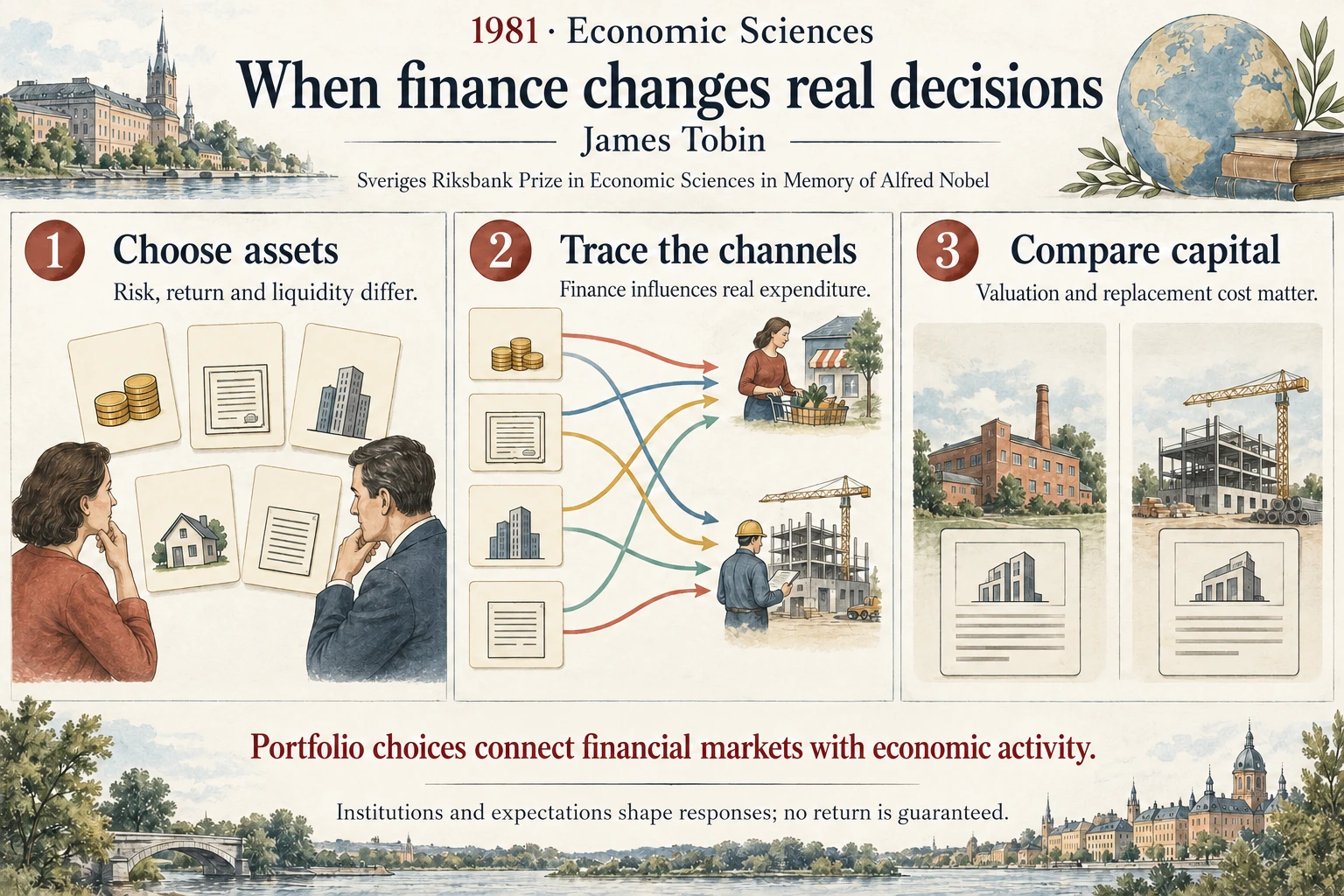
Infographic explaining When finance changes real decisions
Original AI-generated infographic. A conceptual overview; the explanations and sources below provide context.
Read the poster text

Portfolio choices connect financial markets with economic activity.

  1. Choose assets

    Risk, return and liquidity differ.

  2. Trace the channels

    Finance influences real expenditure.

  3. Compare capital

    Valuation and replacement cost matter.

Institutions and expectations shape responses; no return is guaranteed.

01 · The discovery

The idea, in everyday language

A household or firm does not hold only money. It chooses among assets and liabilities with different expected returns, risks and liquidity. Tobin brought portfolio choice into monetary analysis, examining how changes in financial conditions could shift those choices. Assets cannot always be treated as perfect substitutes, so a single interest rate or money total may hide important channels.

Financial choices can influence real expenditure: consumption, the financing of projects and demand for newly produced capital. One important idea compares the market value of existing capital with the cost of acquiring corresponding new capital, commonly associated with Tobin’s q. The comparison can help explain incentives to invest, while institutions, expectations and adjustment constraints affect the response. His aim was a framework linking financial and real markets.

Why it matters

Tobin widened analysis of how monetary and fiscal changes reach consumption, investment and employment. His research helped make the structure of financial markets central to macroeconomics and supported further work on stabilization and international finance. He developed ideas with colleagues including Brainard and Okun, alongside a wider history of portfolio theory. The 1981 memorial prize concerned this research programme, rather than primarily the proposed Tobin tax.
02 · The people

Who brought the idea to life?

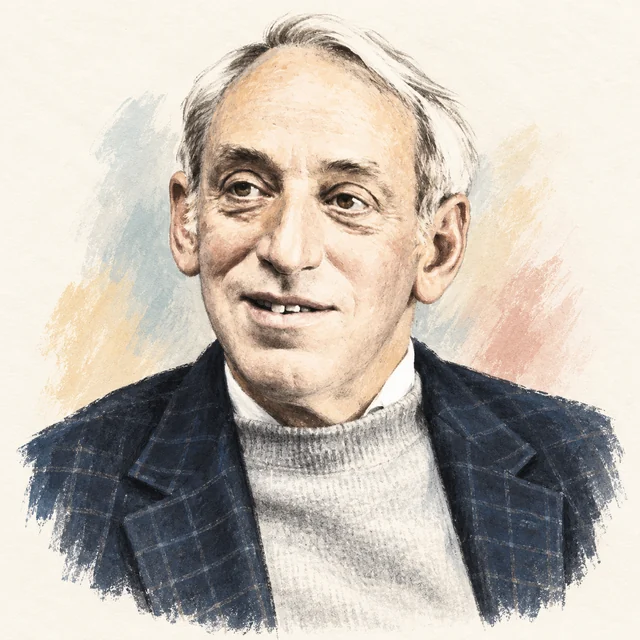
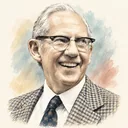
Illustrated portrait of James Tobin

James Tobin

Prize share · 1/1

Tobin connected portfolio choices, asset markets and the financing of real expenditure. His analysis examined how financial changes influence consumption, investment and economic activity through several channels. He received the full Sveriges Riksbank memorial prize; the award was broader than his proposed transaction tax and did not offer a guaranteed investment strategy.

Read the biography ↗

03 · Years in the making

The path here

  1. 1935

    Tobin begins study at Harvard during the Depression.

  2. 1947

    He completes his doctorate on consumption.

  3. 1950

    He joins Yale.

  4. 1955

    The Cowles Foundation comes to Yale; Tobin begins a period as its director.

  5. 1961–1962

    He serves on President Kennedy’s Council of Economic Advisers.

  6. 1981

    The memorial prize recognises financial-market analysis and its links to real activity.

04 · Read further

From the original sources

Original explanations by Curionode, based on the official records below. Biographical details and affiliations refer to the award year.

  1. Official announcement nobelprize.org
  2. Tobin’s lecture: capital valuation and investment nobelprize.org

More in Economic Sciences

Browse this subject ↗