c.curionodeThe Nobel Archive

1988 · Physiology or Medicine

Develop drugs from biological differences

Black, Elion and Hitchings established ways to connect drug development with receptors and metabolism.

drug developmentreceptorsantimetabolitesselectivity
1988Physiology or Medicine

Visual guide

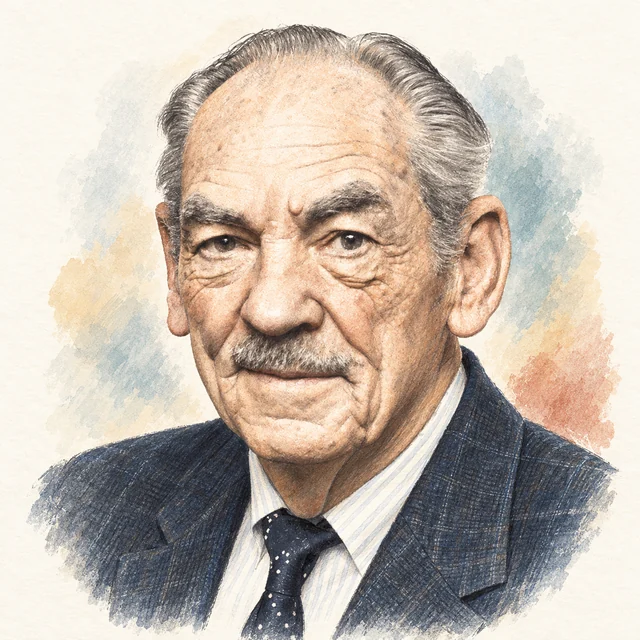
The prize, pictured

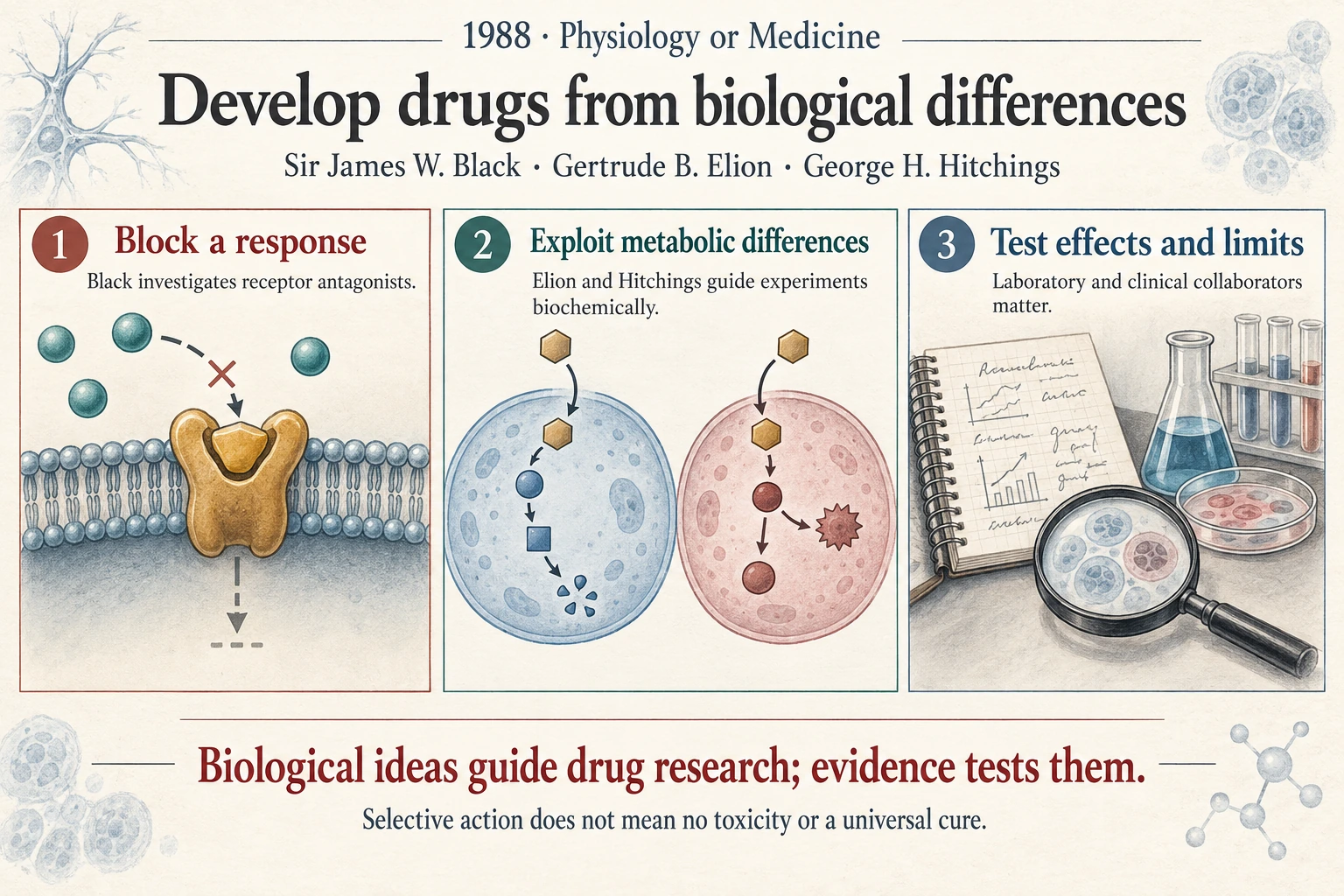
Infographic explaining Develop drugs from biological differences
Original AI-generated infographic. A conceptual overview; the explanations and sources below provide context.
Read the poster text

Biological ideas guide drug research; evidence tests them.

  1. Block a response

    Black investigates receptor antagonists.

  2. Exploit metabolic differences

    Elion and Hitchings guide experiments biochemically.

  3. Test effects and limits

    Laboratory and clinical collaborators matter.

Selective action does not mean no toxicity or a universal cure.

01 · The discovery

The idea, in everyday language

Black asked whether a drug could block a particular biological response. With colleagues he developed beta-receptor blockers, including propranolol, and later histamine H2-receptor blockers, including cimetidine. In their respective settings these reduced cardiac stimulation or gastric acid secretion. Different receptors and tissues were involved; these were not one universal blocking mechanism.

Hitchings and Elion used biochemical differences in nucleic-acid metabolism to guide compound synthesis and experiments. Their teams developed agents for cancer, immune suppression, infections and other conditions, working with clinical researchers. Elion’s acyclovir research helped explain selective activation in virus-infected cells. Both routes replaced some trial-and-error with testable biological ideas, while retaining extensive experimental and clinical work.

Why it matters

The contributions helped establish modern pharmacology and biochemical drug research. Collaborators in chemistry, laboratory science and clinical medicine were essential. Black, Elion and Hitchings each received one third of the Medicine Prize for treatment principles developed through different programmes.
02 · The people

Who brought the idea to life?

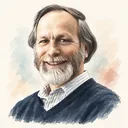
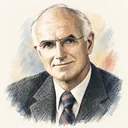
Illustrated portrait of Sir James W. Black

Sir James W. Black

Prize share · 1/3

Black developed receptor-based approaches that led to propranolol and cimetidine with collaborators including John Stephenson, William Duncan, Brian Pritchard, John Parsons and Robin Ganellin. Beta-receptor blockade can reduce the heart’s response to stimulation; H2-receptor blockade reduces gastric acid secretion. These are different receptor systems. The prize recognised principles of drug treatment, not a claim that these drugs are suitable for every patient. He received one third.

Read the biography ↗
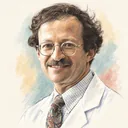
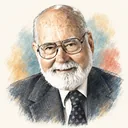
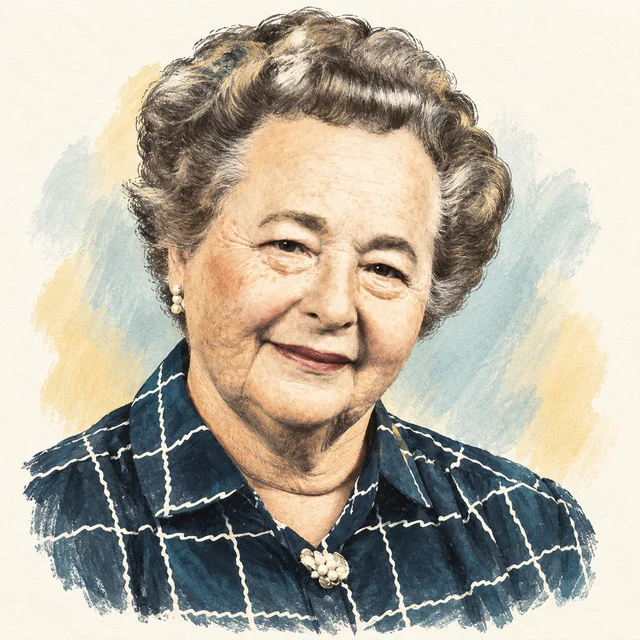
Illustrated portrait of Gertrude B. Elion

Gertrude B. Elion

Prize share · 1/3

Elion investigated purine chemistry and differences in metabolism to develop agents such as 6-mercaptopurine, azathioprine and allopurinol with Hitchings and other colleagues. She also helped explain acyclovir’s selective activity through activation in virus-infected cells. Selectivity must be tested and does not mean absence of toxicity. Her contribution included years of experiment and collaboration with clinical researchers. She received one third of the prize.

Read the biography ↗
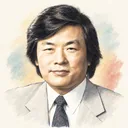
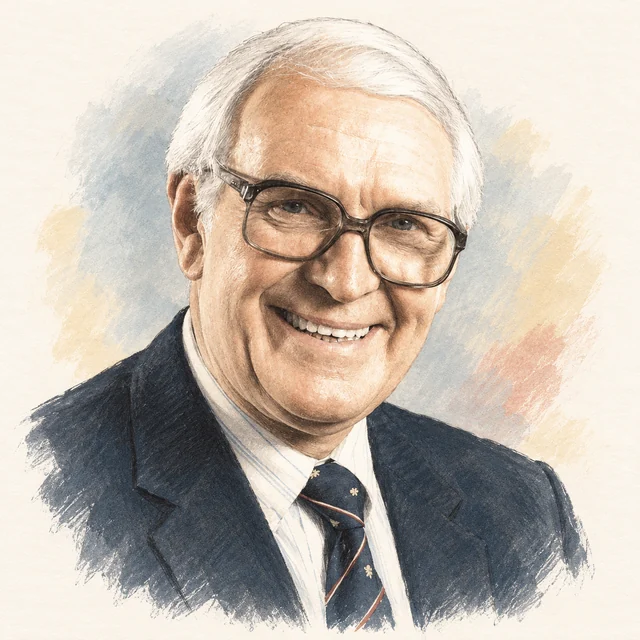
Illustrated portrait of George H. Hitchings

George H. Hitchings

Prize share · 1/3

Hitchings established a biochemical programme connecting nucleic-acid metabolism to possible drug action. With Elion he developed purine-based agents; Falco and Russell were important in pyrimidine research leading to other treatments. This approach combined broad hypotheses with synthesis, testing and clinical collaboration, rather than knowing every molecular target in advance. Hitchings received one third of the prize for new treatment principles.

Read the biography ↗

03 · Years in the making

The path here

  1. 1942

    Hitchings joins Wellcome; Elion joins his group in 1944.

  2. 1964

    Propranolol emerges from Black’s beta-blocker programme.

  3. 1975

    Cimetidine follows work on histamine H2-receptor blockade.

  4. 1988

    Black, Elion and Hitchings share the Medicine Prize equally.

04 · Read further

From the original sources

Original explanations by Curionode, based on the official records below. Biographical details and affiliations refer to the award year.

  1. Official announcement nobelprize.org

More in Physiology or Medicine

Browse this subject ↗