c.curionodeThe Nobel Archive

1988 · Peace

Keep room for negotiation

The UN Peacekeeping Forces were honoured for collective work that helped maintain peace in dangerous settings.

peacekeepingceasefireUnited Nationsnegotiation
1988Peace

Visual guide

The prize, pictured

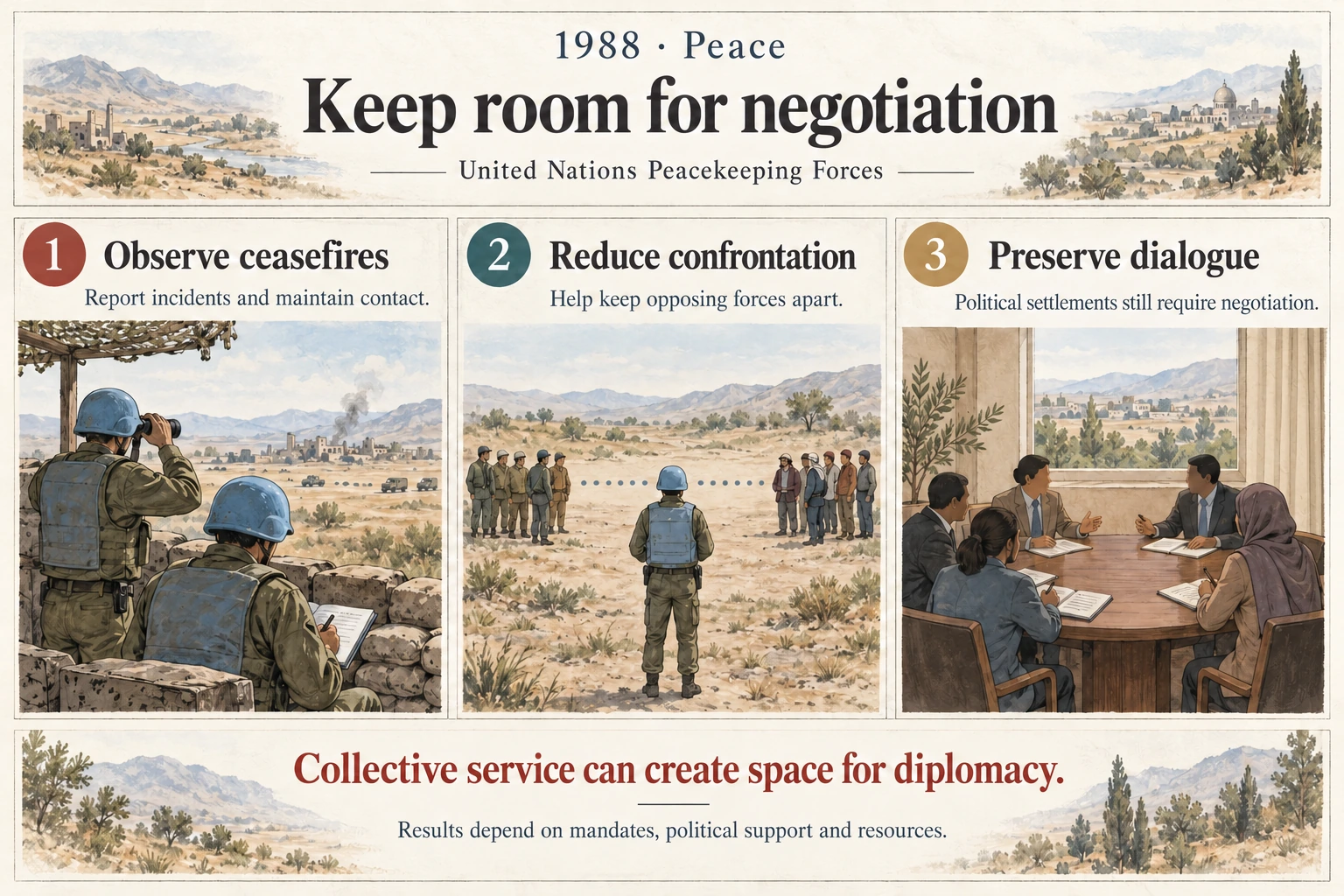
Infographic explaining Keep room for negotiation
Original AI-generated infographic. A conceptual overview; the explanations and sources below provide context.
Read the poster text

Collective service can create space for diplomacy.

  1. Observe ceasefires

    Report incidents and maintain contact.

  2. Reduce confrontation

    Help keep opposing forces apart.

  3. Preserve dialogue

    Political settlements still require negotiation.

Results depend on mandates, political support and resources.

01 · The contribution

The idea, in everyday language

A ceasefire can reduce fighting without ending the underlying conflict. Peacekeeping personnel observe agreed lines, report incidents, maintain contact and help prevent local confrontations from growing. UN operations depend on political decisions and personnel contributed by member states. Peacekeeping began with unarmed observers in 1948; the first armed force followed in 1956.

The 1988 prize recognised this collective service. Monitoring and separating forces can preserve space for diplomacy, but do not by themselves deliver a lasting political settlement. Peacekeepers operate under different mandates and face risks and limits. The recipient was the UN Peacekeeping Forces, not a single leader and not the whole United Nations.

Why it matters

The prize recognised international cooperation through practical service. Later missions took on wider civilian and security tasks. Failures to protect civilians in Rwanda and Srebrenica during the 1990s led to UN inquiries and reassessment, and belong in the history alongside achievements.
02 · The recipients

Who brought the idea to life?

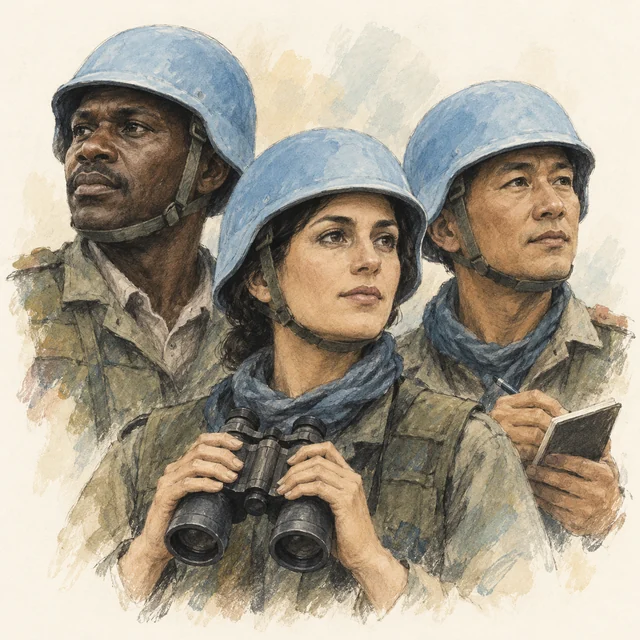
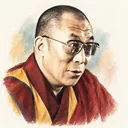
Symbolic illustration representing United Nations Peacekeeping Forces

United Nations Peacekeeping Forces

Prize share · 1

Peacekeepers observed ceasefires, reported incidents and helped maintain space for negotiation. Their work depended on political agreements, mandates, resources and personnel from many countries; it could not itself settle every conflict. The collective received the full Peace Prize. Current UN principles distinguish consent of the main parties and impartial implementation from passive inaction, and permit force for self-defence and defence of a mandate; these contemporary principles should not be read as identical rules for every 1988 operation.

Read the biography ↗

03 · Years in the making

The path here

  1. 1948

    UN peacekeeping begins with unarmed observers.

  2. 1956

    UNEF becomes the first armed peacekeeping force.

  3. 1988

    The UN Peacekeeping Forces receive the Peace Prize.

  4. 1990s

    Expanded tasks and serious protection failures prompt reassessment.

04 · Read further

From the original sources

Original explanations by Curionode, based on the official records below. Biographical details and affiliations refer to the award year.

  1. Official announcement nobelprize.org
  2. UN Peacekeeping history and reassessment peacekeeping.un.org
  3. Current UN peacekeeping principles peacekeeping.un.org