c.curionodeThe Nobel Archive

1993 · Peace

Negotiating an end to apartheid

The 1993 prize recognised efforts to dismantle racial domination and build the foundations for equal democratic participation.

apartheidequal voting rightsnegotiated transitiondemocratic foundations
1993Peace

Visual guide

The prize, pictured

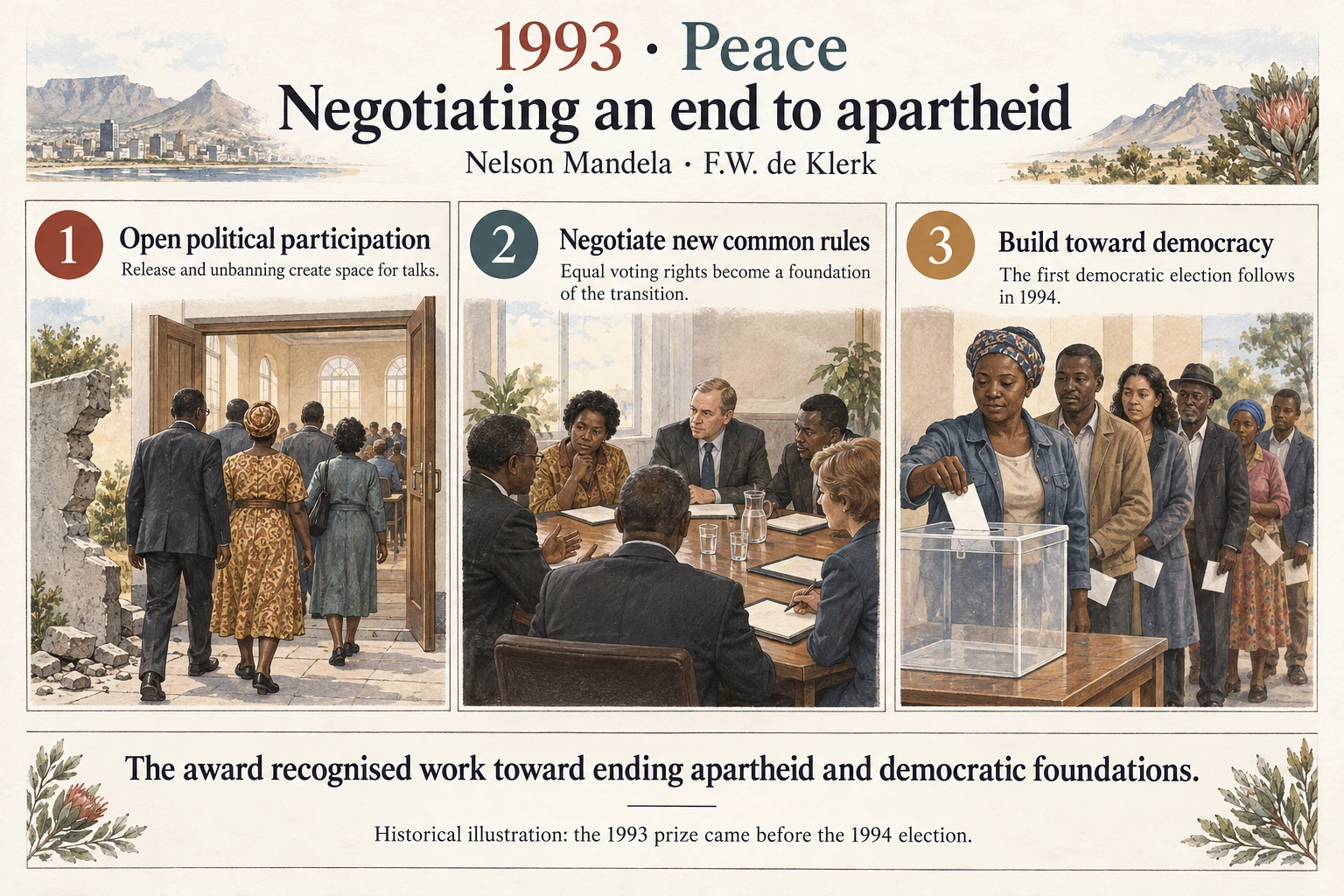
Infographic explaining Negotiating an end to apartheid
Original AI-generated infographic. A conceptual overview; the explanations and sources below provide context.
Read the poster text

The award recognised work toward ending apartheid and democratic foundations.

  1. Open political participation

    Release and unbanning create space for talks.

  2. Negotiate new common rules

    Equal voting rights become a foundation of the transition.

  3. Build toward democracy

    The first democratic election follows in 1994.

Historical illustration: the 1993 prize came before the 1994 election.

01 · The contribution

The idea, in everyday language

Apartheid was a system of enforced racial separation and white minority rule, not simply a disagreement between cultures. Mandela and de Klerk approached its end from profoundly different positions: Mandela led a liberation movement after decades of imprisonment; de Klerk led a government whose institutions had upheld the system. Negotiations sought a political order with equal voting rights.

The 1990 lifting of opposition bans and Mandela’s release made open negotiations possible. Agreements on a constitutional transition then brought South Africa toward its first democratic election in April 1994. The Nobel recognition in 1993 came while that transition was still being built. It honoured efforts toward a peaceful change, rather than declaring that violence or inequality had already ended.

Why it matters

The negotiated transition created foundations for democratic participation and a new constitutional order. It depended on activists, political movements, negotiators and communities far beyond the two laureates. The 1994 election and Mandela’s presidency are later outcomes, distinct from the situation when the award was announced.
02 · The people

Who brought the idea to life?

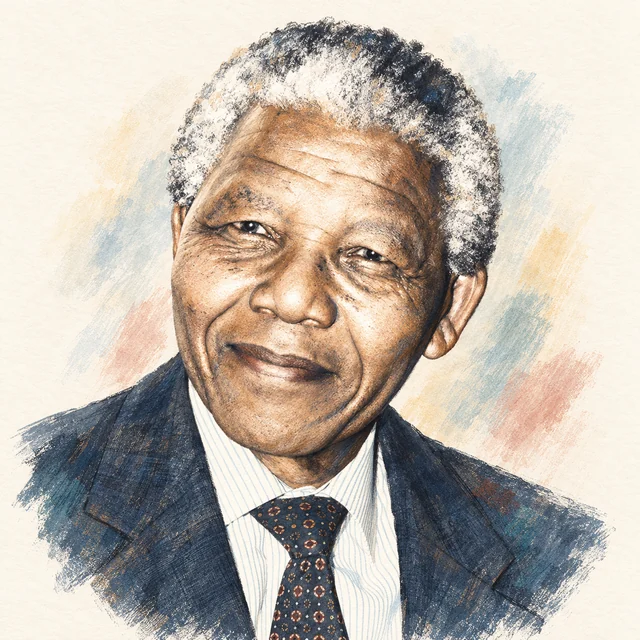
Illustrated portrait of Nelson Mandela

Nelson Mandela

Prize share · 1/2

Mandela combined the authority of a liberation leader with a commitment to negotiating a transition to equal voting rights. He and de Klerk shared the prize for efforts to end apartheid peacefully and establish democratic foundations. The recognition came before the 1994 election and did not mean political violence or deep inequality had already disappeared. The transition also depended on many activists, negotiators and communities.

Read the biography ↗
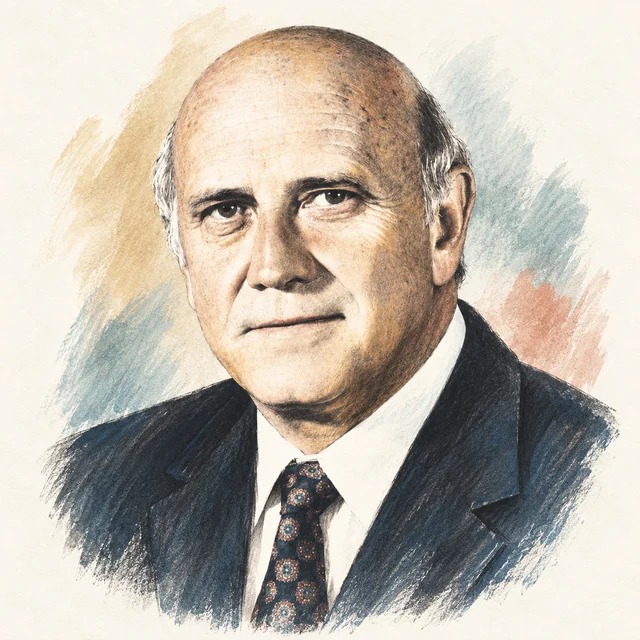
Illustrated portrait of F.W. de Klerk

F.W. de Klerk

Prize share · 1/2

De Klerk supplied decisions and negotiating authority from the government side of a transition away from apartheid. He shared the prize equally with Mandela for ending the regime peacefully and laying democratic foundations. This recognised particular changes and negotiations rather than absolving his earlier support for apartheid or implying that the transition was free of violence. Constitutional agreement and implementation required a much wider political process.

Read the biography ↗

03 · Years in the making

The path here

  1. 1990

    Opposition bans are lifted and Mandela is released on 11 February.

  2. 1993

    Mandela and de Klerk share the prize for transition efforts and democratic foundations.

  3. 1994

    South Africa holds its first democratic election in April; Mandela becomes president in May.

04 · Read further

From the original sources

Original explanations by Curionode, based on the official records below. Biographical details and affiliations refer to the award year.

  1. Official announcement nobelprize.org
  2. Nelson Mandela Foundation biography nelsonmandela.org
  3. South African government history gov.za