01 · The contribution
The idea, in everyday language
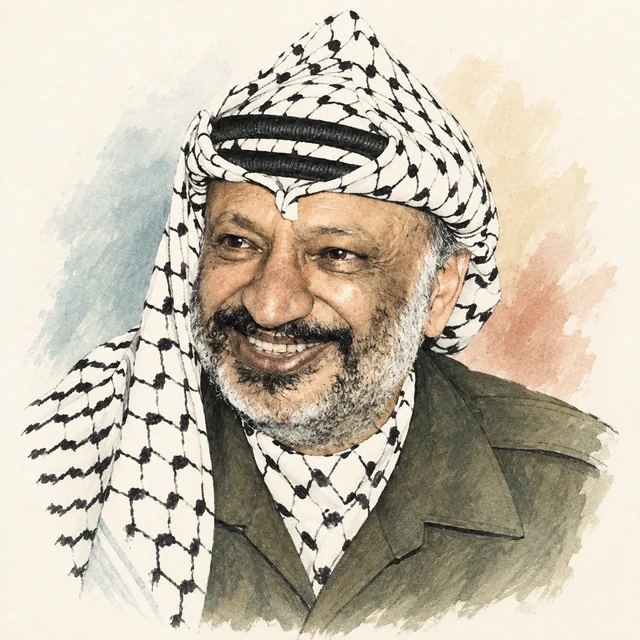
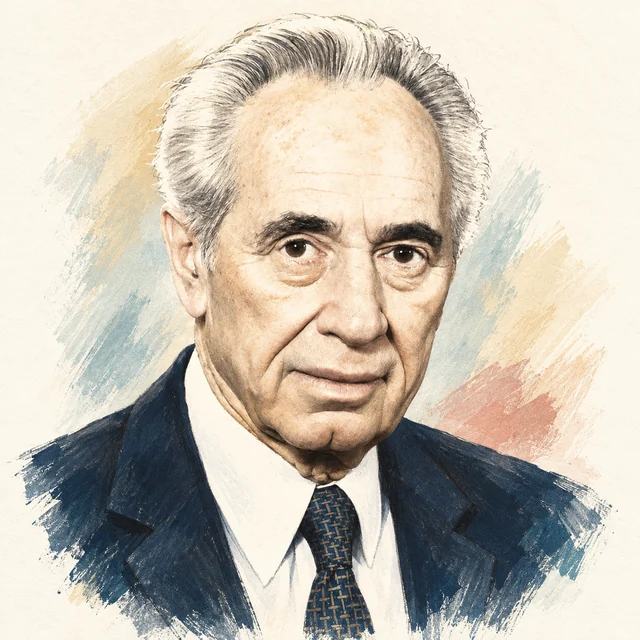
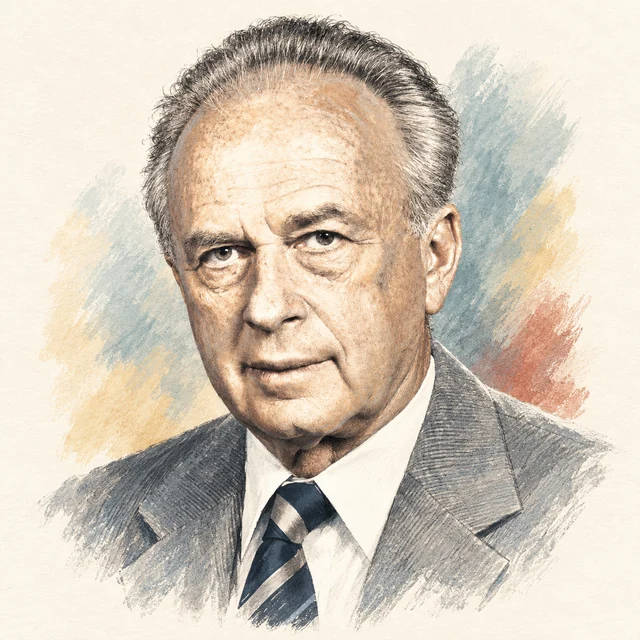
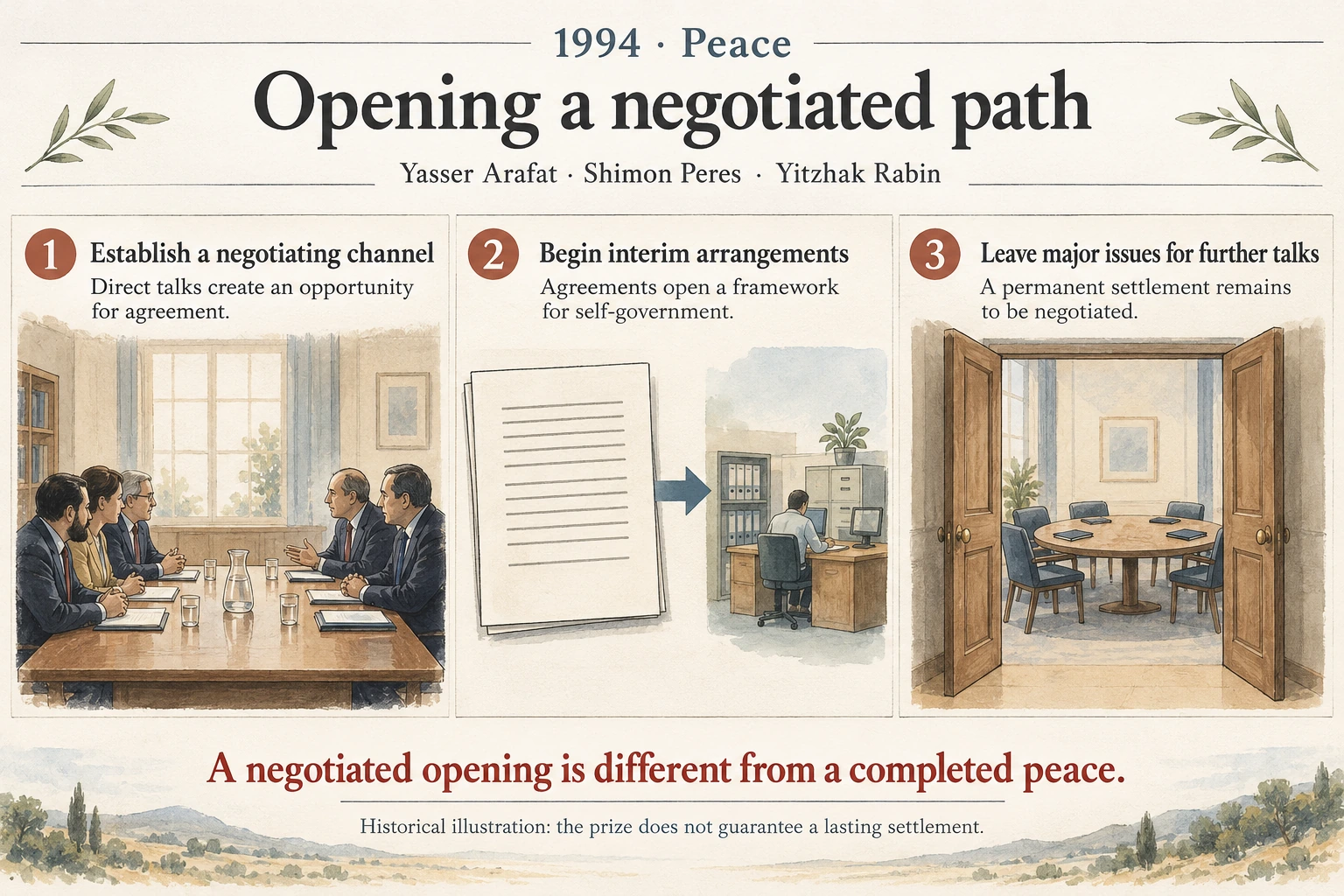
The Oslo process created a negotiating channel between Israel and the Palestine Liberation Organization. Arafat authorised Palestinian participation, Peres helped lead the Israeli negotiations, and Rabin gave the government’s political approval. The 1993 Declaration of Principles and subsequent implementation agreements opened a framework for interim Palestinian self-government and further negotiations.
The Nobel Committee saw these acts as opportunities to replace confrontation with cooperation and hoped the award would encourage the process. The agreements did not resolve the whole conflict. The Declaration explicitly left matters including Jerusalem, refugees, settlements, security arrangements and borders for permanent-status talks. Recognising an opening in 1994 therefore differs from claiming a just and lasting settlement had already been secured.
Why it matters
The agreements enabled new political arrangements and created expectations of a further settlement. Their importance lies in the shift toward direct negotiations and the institutions they initiated, as well as in the disputes and limitations they left. Many negotiators and communities contributed; the three recipients did not alone control its outcome.