c.curionodeThe Nobel Archive

1995 · Literature

Ordinary things carry a living past

Heaney’s poetry brings the texture of daily life into contact with memory, historical pressure and moral attention.

Irish poetrymemoryethical attentionlanguage and history
1995Literature

Visual guide

The prize, pictured

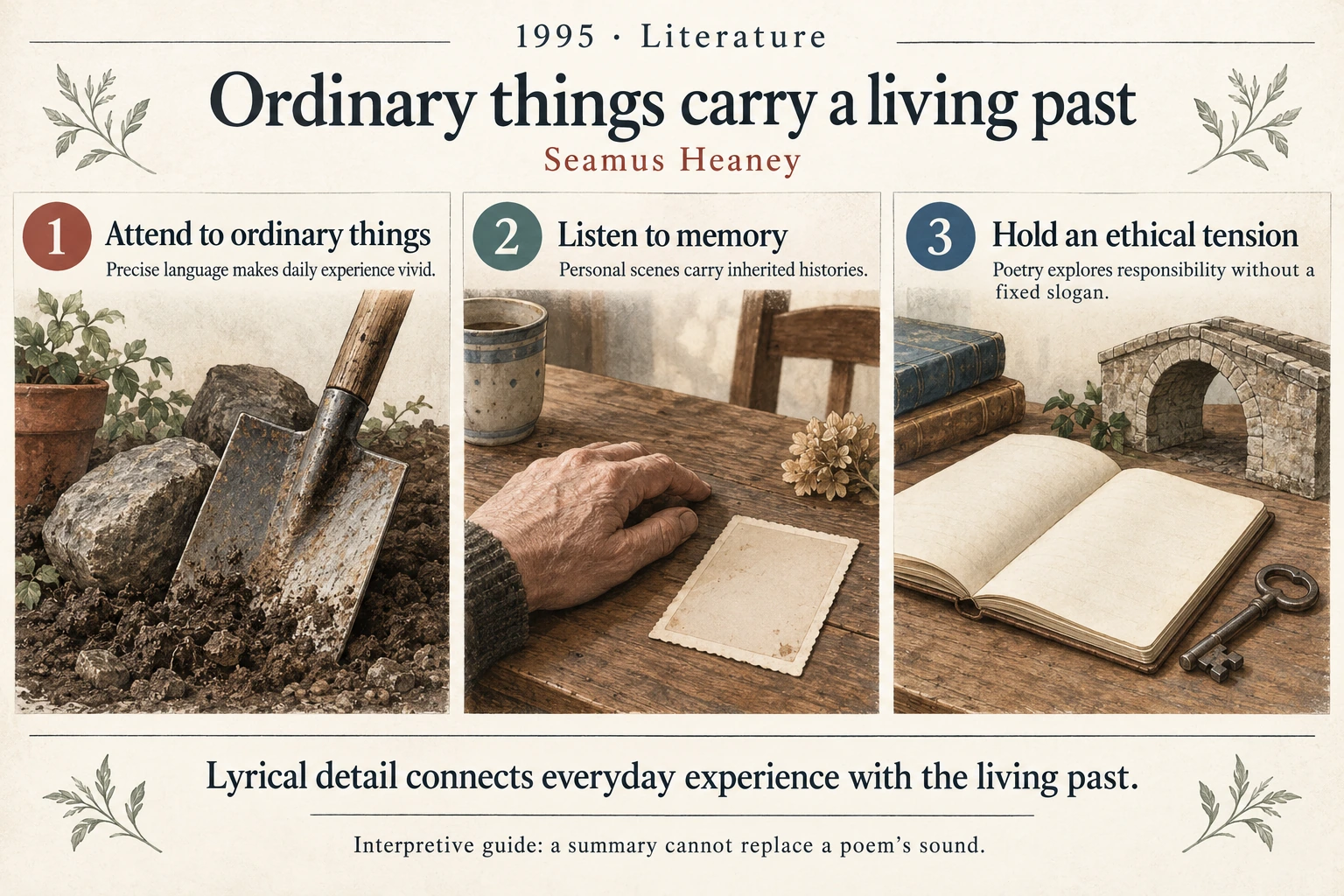
Infographic explaining Ordinary things carry a living past
Original AI-generated infographic. A conceptual overview; the explanations and sources below provide context.
Read the poster text

Lyrical detail connects everyday experience with the living past.

  1. Attend to ordinary things

    Precise language makes daily experience vivid.

  2. Listen to memory

    Personal scenes carry inherited histories.

  3. Hold an ethical tension

    Poetry explores responsibility without a fixed slogan.

Interpretive guide: a summary cannot replace a poem’s sound.

01 · The contribution

The idea, in everyday language

A tool, a field or a remembered sound can hold more than a private recollection. Heaney’s poetry makes ordinary physical experience vivid through rhythm and exact language, then lets the scene open toward inherited histories and ethical questions. Rural County Derry remains a recurring imaginative ground, even as the writing moves through wider places and literary traditions.

The 1995 award recognised a body of work combining lyrical power with moral depth. Death of a Naturalist, North and Seeing Things represent different stages, rather than one unchanging pastoral style. Writing amid Northern Ireland’s conflict, Heaney considered the pull of community, the weight of violence and the freedom of art. He did not turn those tensions into a universal instruction that a poem could simply settle.

Why it matters

Heaney brought Irish experience to an international readership while remaining attentive to individual moments and the resources of language. His essays, teaching and translations also shaped literary exchange. The Nobel award preceded his 1999 Beowulf translation, so that later work is part of his subsequent career rather than the original basis for the prize.
02 · The people

Who brought the idea to life?

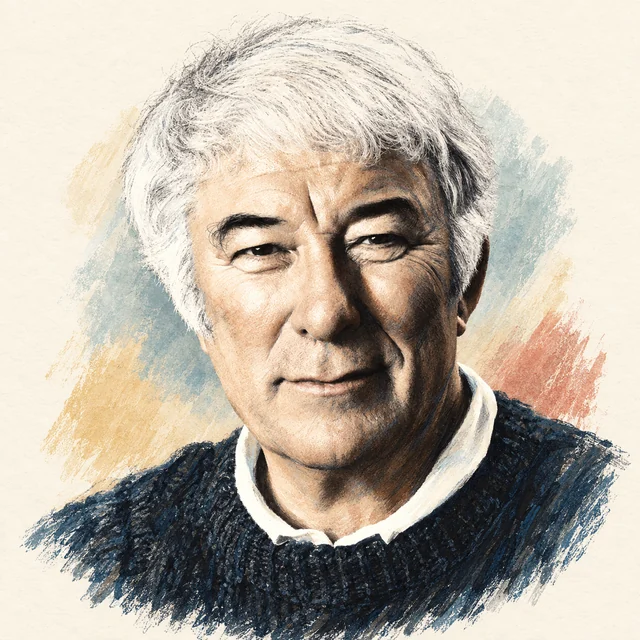
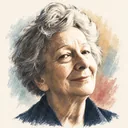
Illustrated portrait of Seamus Heaney

Seamus Heaney

Prize share · 1

The prize recognised Heaney’s body of work, including collections such as North and Seeing Things. His poems bring physical detail and musical language into contact with personal memory, inherited history and moral difficulty. Writing amid Northern Ireland’s conflict, he resisted reducing poetry to a single political message. The award concerns the work available in 1995; his celebrated Beowulf translation was published later, in 1999.

Read the biography ↗

03 · Years in the making

The path here

  1. 1966

    Death of a Naturalist establishes Heaney’s first major collection.

  2. 1975

    North brings memory, landscape and historical violence into charged relation.

  3. 1991

    Seeing Things explores perception, memory and the possibilities of poetic vision.

  4. 1995

    The Literature Prize recognises Heaney’s body of work.

04 · Read further

From the original sources

Original explanations by Curionode, based on the official records below. Biographical details and affiliations refer to the award year.

  1. Official announcement nobelprize.org
  2. Official bibliography nobelprize.org

More in Literature

Browse this subject ↗