c.curionodeThe Nobel Archive

1998 · Peace

Building a negotiated peace

Hume and Trimble helped establish a framework for peaceful cooperation in Northern Ireland.

Northern IrelanddialogueGood Friday Agreementshared institutions
1998Peace

Visual guide

The prize, pictured

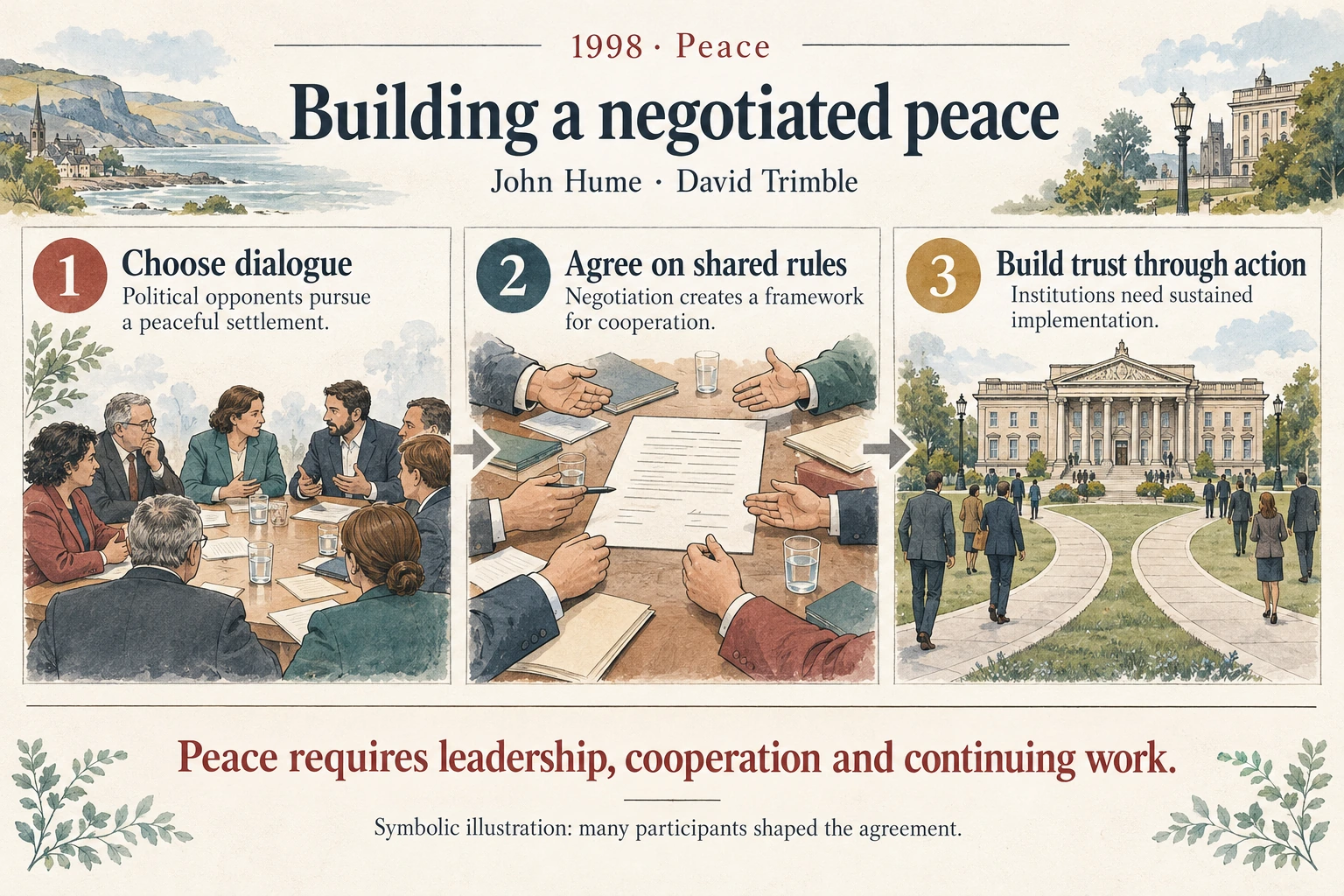
Infographic explaining Building a negotiated peace
Original AI-generated infographic. A conceptual overview; the explanations and sources below provide context.
Read the poster text

Peace requires leadership, cooperation and continuing work.

  1. Choose dialogue

    Political opponents pursue a peaceful settlement.

  2. Agree on shared rules

    Negotiation creates a framework for cooperation.

  3. Build trust through action

    Institutions need sustained implementation.

Symbolic illustration: many participants shaped the agreement.

01 · The contribution

The idea, in everyday language

Decades of violence had made trust between political traditions exceptionally difficult. Hume consistently advocated nonviolent dialogue and arrangements acceptable to both communities. Trimble, leading the Ulster Unionist Party, took political risks in supporting compromise. Their different roles helped make the April 1998 Belfast, or Good Friday, Agreement possible.

The settlement provided for shared institutions and cooperation, with the principle of consent governing constitutional change. The Nobel Committee also emphasized contributions by other Northern Irish leaders and the British, Irish and US governments. Recognition in October encouraged a foundation for lasting peace; implementing institutions and resolving disputes remained demanding work.

Why it matters

The award recognized leadership that moved political conflict toward negotiation and institutions. Hume’s persistence and Trimble’s willingness to persuade his own side were complementary contributions. The agreement became a major foundation of the peace process, whose achievements depended on many participants.
02 · The people

Who brought the idea to life?

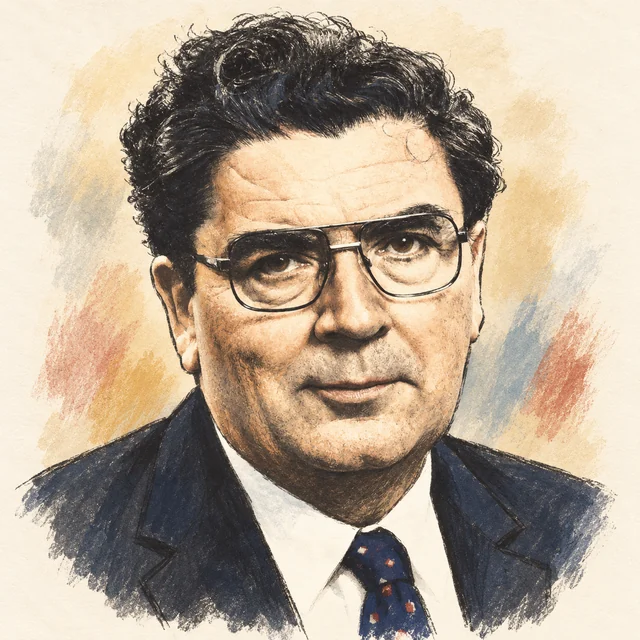
Illustrated portrait of John Hume

John Hume

Prize share · 1/2

Hume consistently pursued a negotiated settlement and helped bring opponents into dialogue, including through talks with Gerry Adams. Principles he advocated informed the Good Friday Agreement of April 1998. The prize recognized his sustained search for a peaceful solution together with Trimble’s role at a decisive stage. Hume’s contribution was part of a wider process involving other leaders and governments.

Read the biography ↗
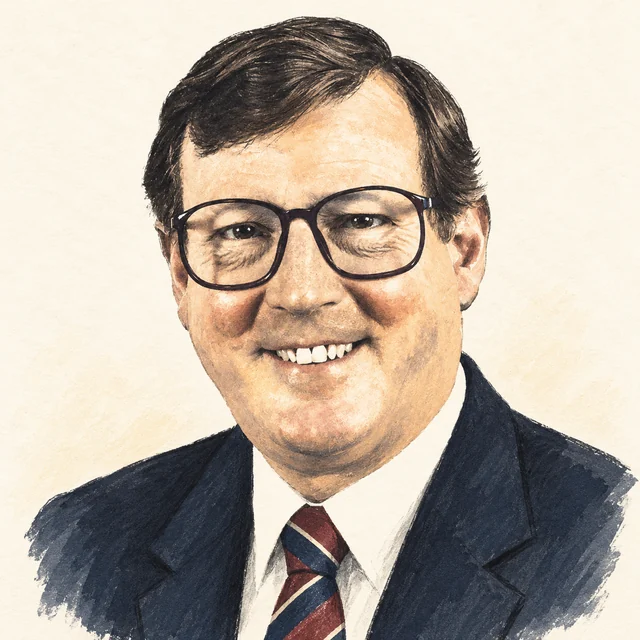
Illustrated portrait of David Trimble

David Trimble

Prize share · 1/2

Trimble led his party in the negotiations that produced the Belfast, or Good Friday, Agreement. At a critical point he advocated compromise and secured majority support within the UUP for the settlement. The Nobel Committee recognized that political courage alongside Hume’s longstanding work for peace. The award encouraged the difficult task of implementation; a signed agreement did not itself remove mistrust or settle every dispute.

Read the biography ↗

03 · Years in the making

The path here

  1. 1970

    Hume helped found the Social Democratic and Labour Party.

  2. 1995

    Trimble became leader of the Ulster Unionist Party.

  3. 10 April 1998

    The Belfast / Good Friday Agreement was reached.

  4. 16 October 1998

    The Nobel Committee announced the shared Peace Prize.

04 · Read further

From the original sources

Original explanations by Curionode, based on the official records below. Biographical details and affiliations refer to the award year.

  1. Official announcement nobelprize.org
  2. Belfast Agreement background gov.uk