c.curionodeThe Nobel Archive

2009 · Economic Sciences

How people organise cooperation

Ostrom studied the governance of shared resources; Williamson explained why some transactions move inside firms.

The Sveriges Riksbank Prize in Economic Sciences in Memory of Alfred Nobel.

commonstransaction costseconomic governance
2009Economic Sciences

Visual guide

The prize, pictured

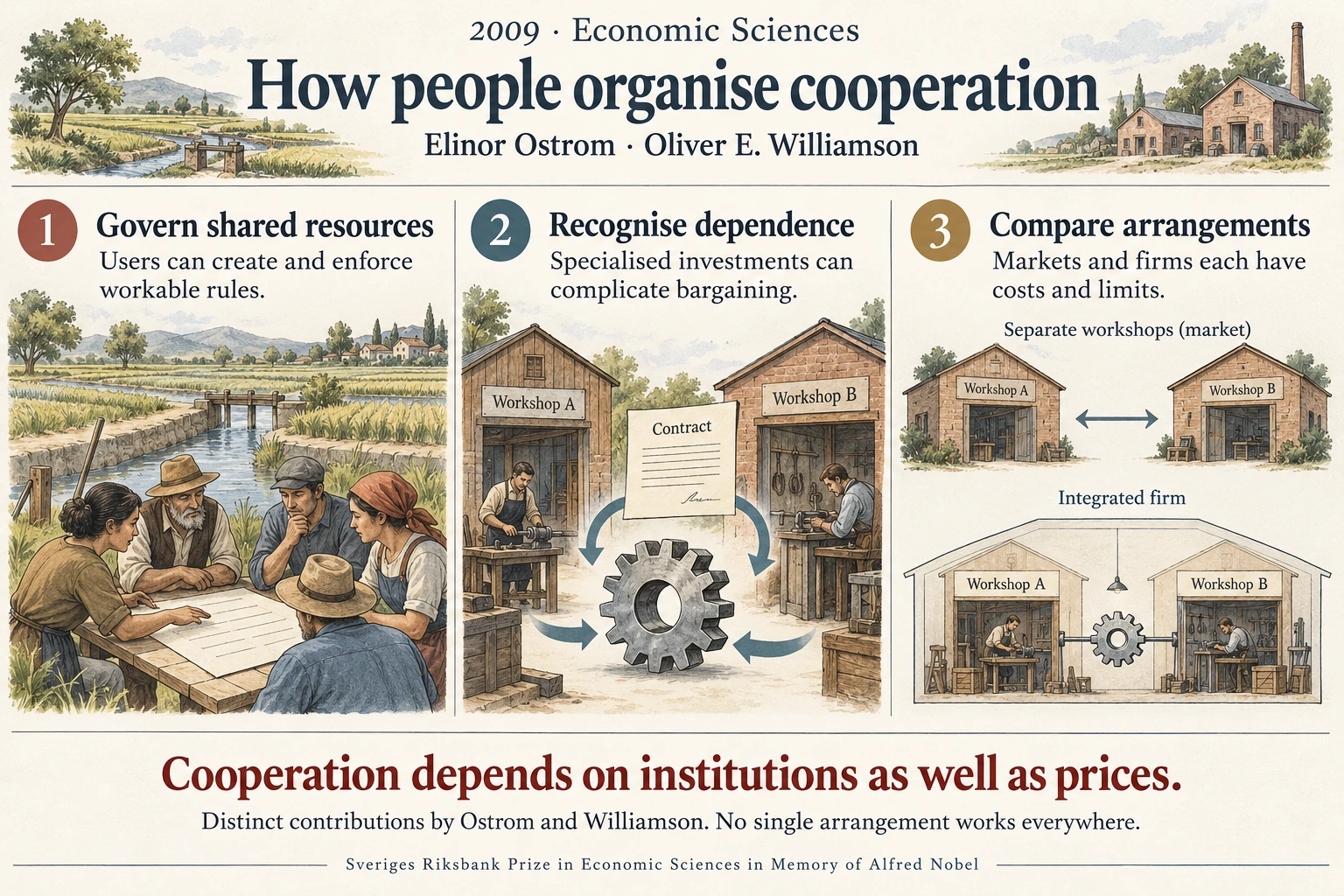
Infographic explaining How people organise cooperation
Original AI-generated infographic. A conceptual overview; the explanations and sources below provide context.
Read the poster text

Cooperation depends on institutions as well as prices.

  1. Govern shared resources

    Users can create and enforce workable rules.

  2. Recognise dependence

    Specialised investments can complicate bargaining.

  3. Compare arrangements

    Markets and firms each have costs and limits.

Distinct contributions by Ostrom and Williamson. No single arrangement works everywhere.

01 · The discovery

The idea, in everyday language

A shared fishery or irrigation system creates a problem: each person’s use can reduce what remains for others. Ostrom compared real communities and showed that users can sometimes create workable rules, monitor use and handle violations themselves. Common ownership does not have to mean unrestricted access. Understanding who can participate, how decisions are made and how disputes are settled helps explain both success and failure.

Williamson examined a different organisational choice. Why buy from an independent supplier in one case, but put production inside the same firm in another? When investments are useful mainly within a particular relationship and contracts cannot anticipate every difficulty, the parties can become dependent on one another. Internal authority may reduce costly bargaining, but that authority can also be abused. The question is which arrangement handles the particular transaction better.

Why it matters

The research broadened economic analysis beyond prices to the institutions that make cooperation possible. It supplied ways to study forests, water systems and other shared resources, and to examine contracts, outsourcing and the boundaries of businesses. Field evidence and comparisons matter because similar-looking activities can work differently under different rules.
02 · The people

Who brought the idea to life?

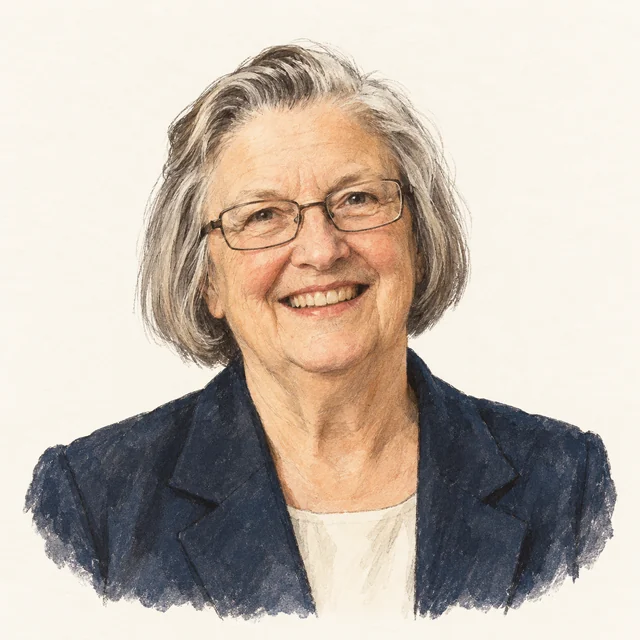
Illustrated portrait of Elinor Ostrom

Elinor Ostrom

Prize share · 1/2

Ostrom showed that users can sometimes govern shared resources successfully through rules they help create and enforce. Her research investigated boundaries, monitoring, sanctions and ways of resolving disputes. It challenged the idea that shared resources must inevitably be destroyed, without claiming that cooperation happens automatically or that local management is always superior to public regulation or private ownership.

Read the biography ↗
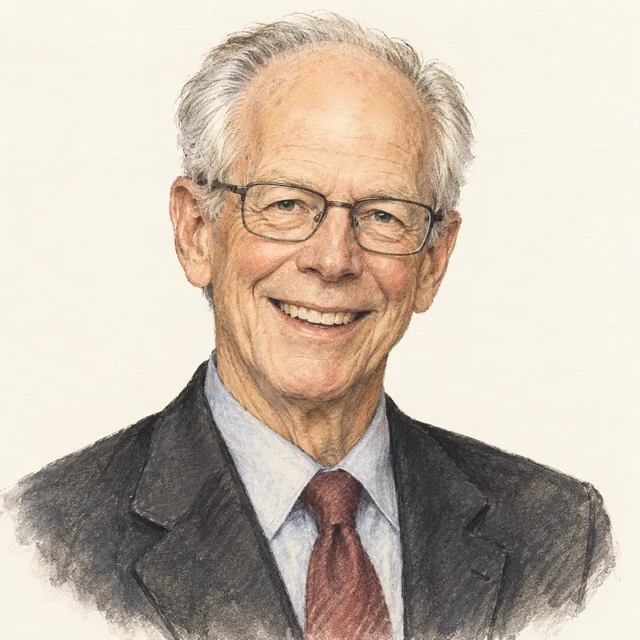
Illustrated portrait of Oliver E. Williamson

Oliver E. Williamson

Prize share · 1/2

Williamson developed transaction-cost economics into an explanation of organisational boundaries. When an investment is especially valuable within one relationship, changing partners may be costly and bargaining can become difficult. Bringing activities under one authority can sometimes reduce those problems, but internal authority has costs and can be abused. His analysis compares imperfect alternatives rather than declaring that larger firms are always better.

Read the biography ↗

03 · Years in the making

The path here

  1. 1970s

    Williamson developed explanations of firms based on contracting difficulties and mutual dependence.

  2. 1990

    Ostrom published Governing the Commons, examining institutions for collective action.

  3. 2009

    The prize recognised their distinct contributions to understanding economic governance.

04 · Read further

From the original sources

Original explanations by Curionode, based on the official records below. Biographical details and affiliations refer to the award year.

  1. Official announcement nobelprize.org
  2. Popular science background nobelprize.org

More in Economic Sciences

Browse this subject ↗