A life in context
The person behind the prize
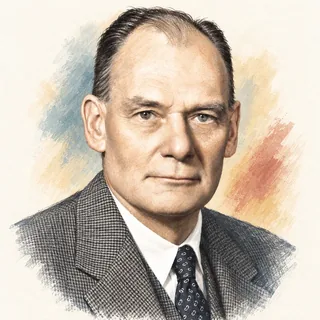
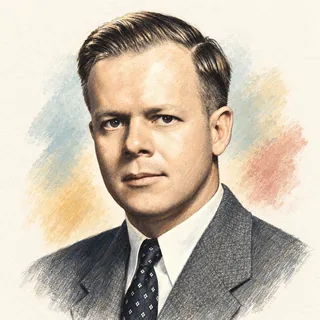
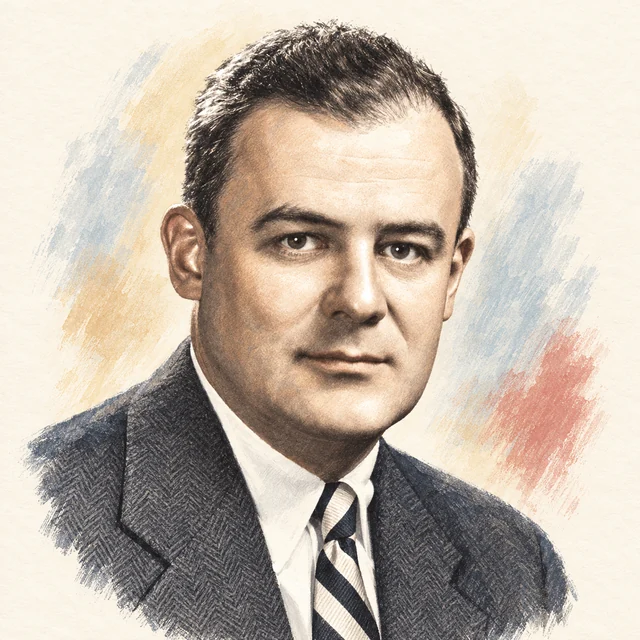
Robbins studied at Missouri, receiving arts and science bachelor’s degrees in 1936 and 1938, then completed his Harvard medical degree in 1940. Training at Boston’s Children’s Hospital was interrupted by Army service from 1942 to 1946, when he investigated infectious diseases and supervised virological laboratory work. Returning to Boston, he completed clinical training and worked with Enders from 1948, supported by a National Research Council fellowship. His studies focused on poliovirus cultivation and applications of tissue culture, alongside investigations of other viruses. With Enders and Weller, he published the 1949 report on poliovirus growth in different human tissue types. In May 1952 he moved to Cleveland as professor of pediatrics at Western Reserve and director of pediatrics and contagious diseases at the metropolitan hospital. Western Reserve was his affiliation at the 1954 award, for which he received one third. The later name Case Western Reserve should not be projected into that appointment.
The contribution
Robbins investigated poliovirus cultivation and its applications with Enders and Weller, helping establish growth in various tissues. He received one third of the Medicine Prize.
The idea in plain language
Could poliovirus grow outside the nervous tissues with which the disease was associated? Earlier limited results had supported a restrictive view. In 1949 Enders, Weller and Robbins reported growth in cultures of different human tissues, including non-neural tissues. This overturned an important experimental barrier without implying that viruses can multiply in lifeless nutrient broth: they require living cells.
Read the full award story ↗