A life in context
The person behind the prize
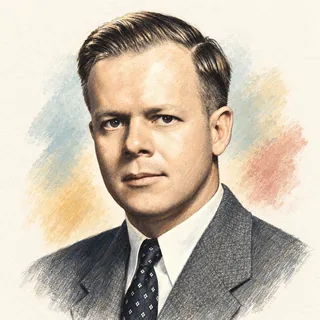
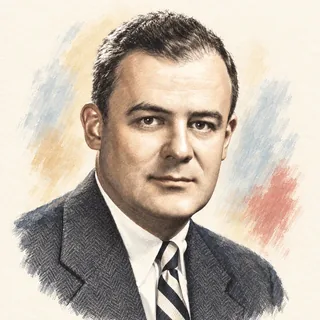
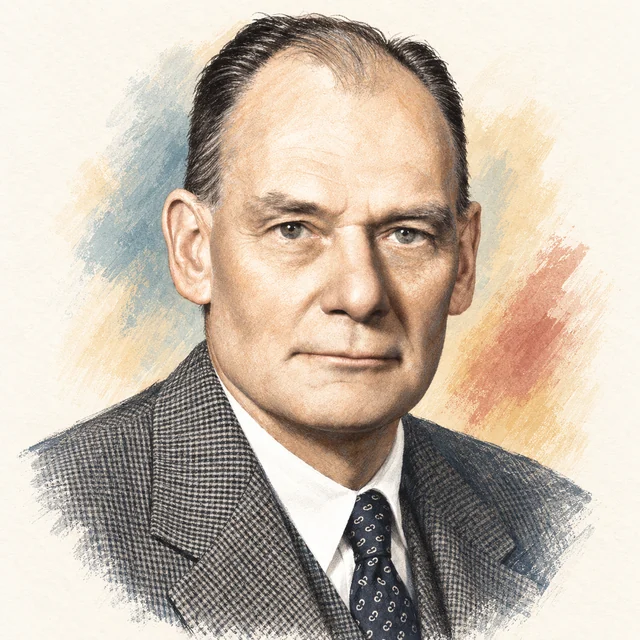
Enders interrupted Yale studies for wartime naval aviation service, then returned and received his regular bachelor’s degree in 1920. After work in real estate he studied literature and languages at Harvard before changing direction to bacteriology and immunology. Influenced by Hans Zinsser and H. K. Ward, he completed a Harvard PhD in 1930. Research on bacterial virulence, immunity and mammalian viruses preceded his work on mumps. In 1946 he established an infectious-diseases research laboratory at Boston’s Children’s Medical Center. With Weller and Robbins, he reported in 1949 that poliovirus could grow in cultures of several human tissue types, including non-neural tissues. The work expanded practical methods for studying the virus and supported later vaccine development. Each researcher received one third of the 1954 prize. Their tissue-culture contribution should be distinguished from Salk’s and Sabin’s subsequent vaccine programmes and from earlier cultivation of other viruses. Enders’s doctorate was research training in bacteriology and immunology.
The contribution
Enders, Weller and Robbins demonstrated poliovirus growth in cultures of various tissue types, expanding methods for virological research. Enders received one third of the Medicine Prize.
The idea in plain language
Could poliovirus grow outside the nervous tissues with which the disease was associated? Earlier limited results had supported a restrictive view. In 1949 Enders, Weller and Robbins reported growth in cultures of different human tissues, including non-neural tissues. This overturned an important experimental barrier without implying that viruses can multiply in lifeless nutrient broth: they require living cells.
Read the full award story ↗