A life in context
The person behind the prize
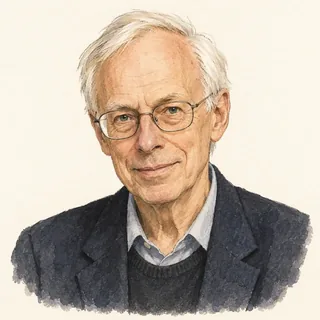
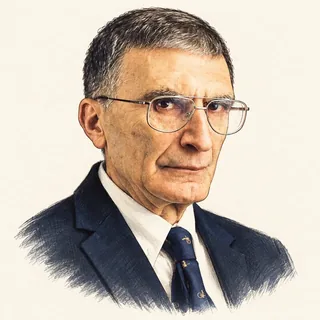
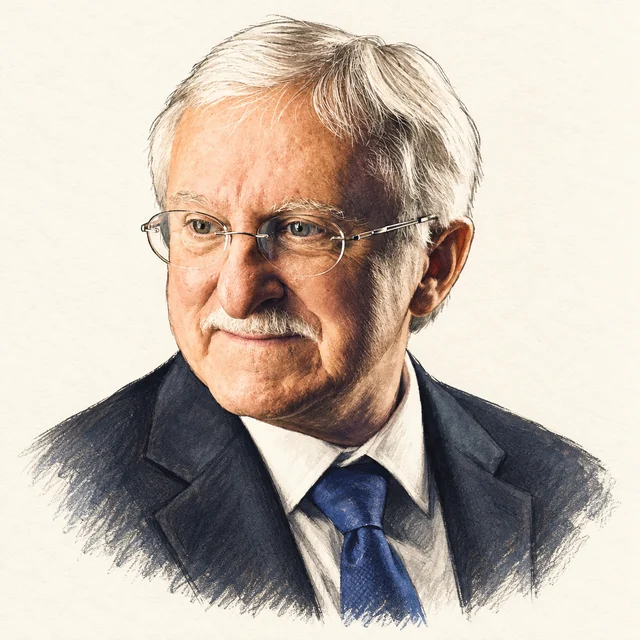
Modrich grew up in New Mexico, where his father taught biology and encouraged his interest in nature. He studied at MIT and completed his doctorate at Stanford in 1973, later joining Duke University. His research on enzymes that cut, join, copy and mark DNA led to a central problem in inheritance: how does a cell recognise and correct the occasional wrong pairing left after its DNA has been copied?
The contribution
He mapped the molecular steps of mismatch repair and reconstructed the bacterial system from its components. Studies with Matthew Meselson showed how methylation could help bacteria distinguish an older template strand from a new copy. He also investigated the related repair machinery in human cells.
The idea in plain language
DNA stores information, but it is not chemically indestructible. Bases can change spontaneously, ultraviolet light can damage neighbouring bases, and copying can leave a wrong pairing. Lindahl showed why active maintenance is necessary and helped uncover base excision repair. An enzyme first removes a faulty base; other enzymes process the remaining site, replace the missing information and seal the strand.
Read the full award story ↗