c.curionodeThe Nobel Archive

1905 · Chemistry

Connect molecular structure, colour and synthesis

Baeyer’s research made useful dyes into questions about molecular structure and chemical transformation. His prize also recognised hydroaromatic compounds, extending well beyond one blue pigment.

Organic dyesSynthesisHydroaromatic compounds
1905Chemistry

Visual guide

The prize, pictured

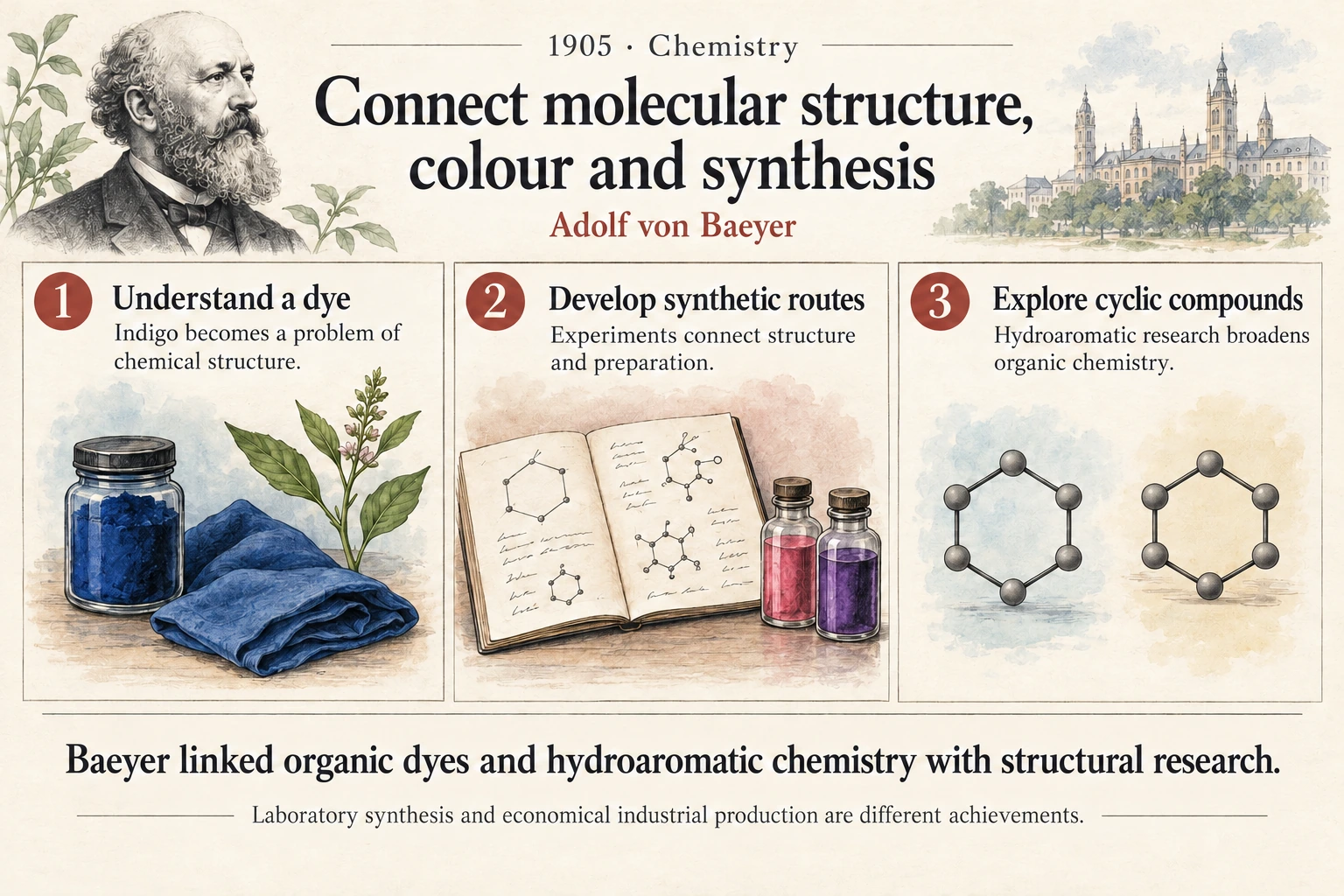
Infographic explaining Connect molecular structure, colour and synthesis
Original AI-generated infographic. A conceptual overview; the explanations and sources below provide context.
Read the poster text

Baeyer linked organic dyes and hydroaromatic chemistry with structural research.

  1. Understand a dye

    Indigo becomes a problem of chemical structure.

  2. Develop synthetic routes

    Experiments connect structure and preparation.

  3. Explore cyclic compounds

    Hydroaromatic research broadens organic chemistry.

Laboratory synthesis and economical industrial production are different achievements.

01 · The discovery

The idea, in everyday language

Indigo had long been obtained from plants. Understanding its chemical constitution and finding laboratory routes to it required years of experimental work. Baeyer also investigated phthalein dyes and the relationship between a substance’s structure and its colour.

Research on hydroaromatic compounds and carbon rings connected structural ideas with a wider range of organic substances. The full 1905 prize recognised both organic dyes and hydroaromatic chemistry. Converting laboratory insights into economical industrial manufacture required further development by many people.

Why it matters

The work helped strengthen structural organic chemistry and the dye industry. BASF’s commercial indigo appeared in 1897 after prolonged development. Baeyer’s research school also trained scientists who carried new methods and questions into other laboratories.
02 · The people

Who brought the idea to life?

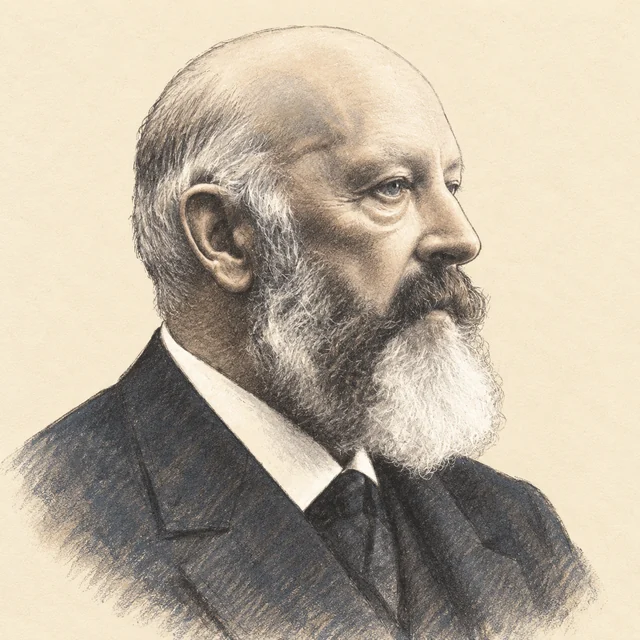
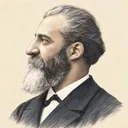
Illustrated portrait of Adolf von Baeyer

Adolf von Baeyer

Prize share · 1

Baeyer received the full Chemistry Prize for advancing organic chemistry and the chemical industry through research on organic dyes and hydroaromatic compounds. Indigo research was one major part of a broader programme.

Read the biography ↗

03 · Years in the making

The path here

  1. 1856

    Baeyer joins Bunsen’s laboratory in Heidelberg.

  2. 1858

    He receives his doctorate in Berlin.

  3. 1860

    He begins teaching at the Berlin Trade Academy.

  4. 1865

    He starts a sustained programme on indigo.

  5. 1897

    BASF launches commercial synthetic indigo after further development.

  6. 1905

    The Chemistry Prize recognises organic dyes and hydroaromatic compounds.

  7. 1917

    Baeyer dies at Starnberg.

04 · Read further

From the original sources

Original explanations by Curionode, based on the official records below. Biographical details and affiliations refer to the award year.

  1. Official award summary nobelprize.org
  2. Award ceremony speech nobelprize.org
  3. BASF history: industrial indigo in 1897 basf.com

More in Chemistry

Browse this subject ↗