c.curionodeThe Nobel Archive

1907 · Chemistry

Let fermentation work outside the intact cell

Did sugar become alcohol only through the organisation of a living yeast cell? Buchner showed that an extract from disrupted yeast could still carry out fermentation.

EnzymesCell-free fermentationBiochemistry
1907Chemistry

Visual guide

The prize, pictured

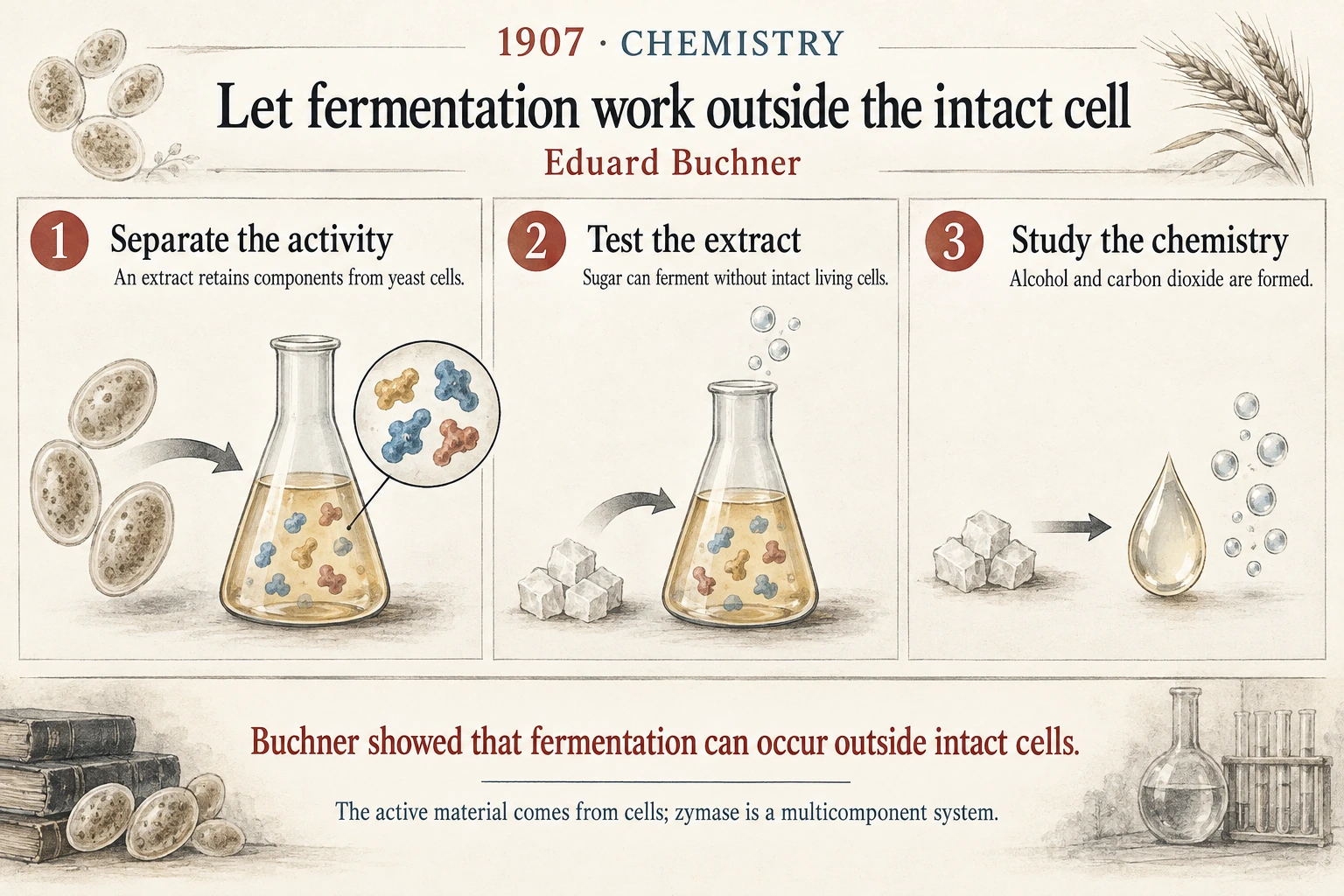
Infographic explaining Let fermentation work outside the intact cell
Original AI-generated infographic. A conceptual overview; the explanations and sources below provide context.
Read the poster text

Buchner showed that fermentation can occur outside intact cells.

  1. Separate the activity

    An extract retains components from yeast cells.

  2. Test the extract

    Sugar can ferment without intact living cells.

  3. Study the chemistry

    Alcohol and carbon dioxide are formed.

The active material comes from cells; zymase is a multicomponent system.

01 · The discovery

The idea, in everyday language

Yeast cells contain the machinery for converting sugar through a sequence of chemical reactions. Buchner obtained an active liquid from broken cells and showed that it produced alcohol and carbon dioxide without intact living yeast cells. The discovery, published in 1897, separated a biochemical activity from the complete organism that normally performs it.

He called the activity zymase. This was not one fully identified pure enzyme: later research revealed a system of enzymes and necessary associated components. Hans Buchner and Martin Hahn contributed to the research setting and to the 1903 book on zymase fermentation. Eduard alone received the full 1907 prize for his biochemical research and discovery.

Why it matters

Cell-free experiments gave biochemistry a powerful route for testing what components a reaction needs. Subsequent work could separate factors and reconstruct pathways, helping explain metabolism through chemical mechanisms.
02 · The people

Who brought the idea to life?

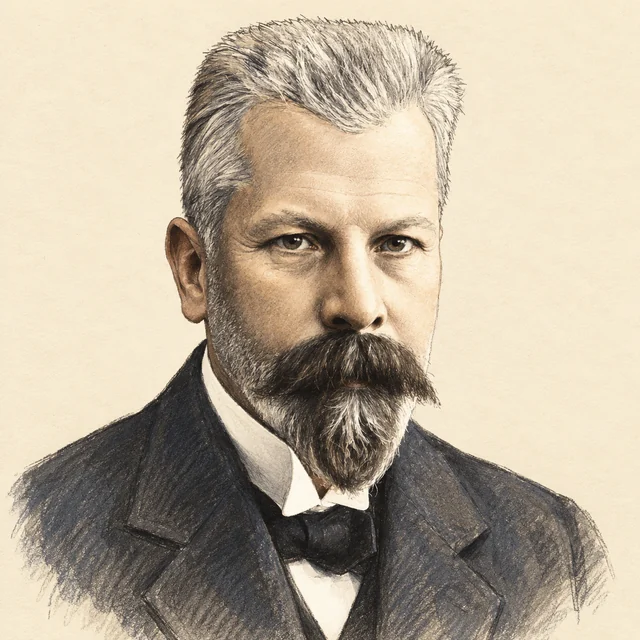
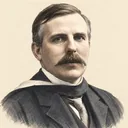
Illustrated portrait of Eduard Buchner

Eduard Buchner

Prize share · 1

Buchner received the full Chemistry Prize for biochemical research and the discovery of cell-free fermentation: components extracted from yeast could ferment sugar without intact living yeast cells.

Read the biography ↗

03 · Years in the making

The path here

  1. 1884

    Buchner resumes systematic chemical study in Munich.

  2. 1888

    He completes his doctorate.

  3. 1896

    Research yields an active liquid from disrupted yeast.

  4. 1897

    He publishes the discovery of cell-free fermentation.

  5. 1898

    He becomes a professor at Berlin’s Agricultural College.

  6. 1903

    Eduard and Hans Buchner and Martin Hahn publish Die Zymasegärung.

  7. 1907

    The Chemistry Prize recognises biochemical research and cell-free fermentation.

04 · Read further

From the original sources

Original explanations by Curionode, based on the official records below. Biographical details and affiliations refer to the award year.

  1. Official award summary nobelprize.org
  2. Prepared award presentation nobelprize.org
  3. University of Würzburg Archives: Buchner’s life and cell-free fermentation uni-wuerzburg.de

More in Chemistry

Browse this subject ↗