c.curionodeThe Nobel Archive

1909 · Chemistry

Separate reaction speed from chemical equilibrium

A reaction’s possible final balance does not tell us how quickly it will be reached. Ostwald made catalysis and reaction rates measurable problems and investigated their relationship with chemical equilibrium.

CatalysisReaction ratesChemical equilibrium
1909Chemistry

Visual guide

The prize, pictured

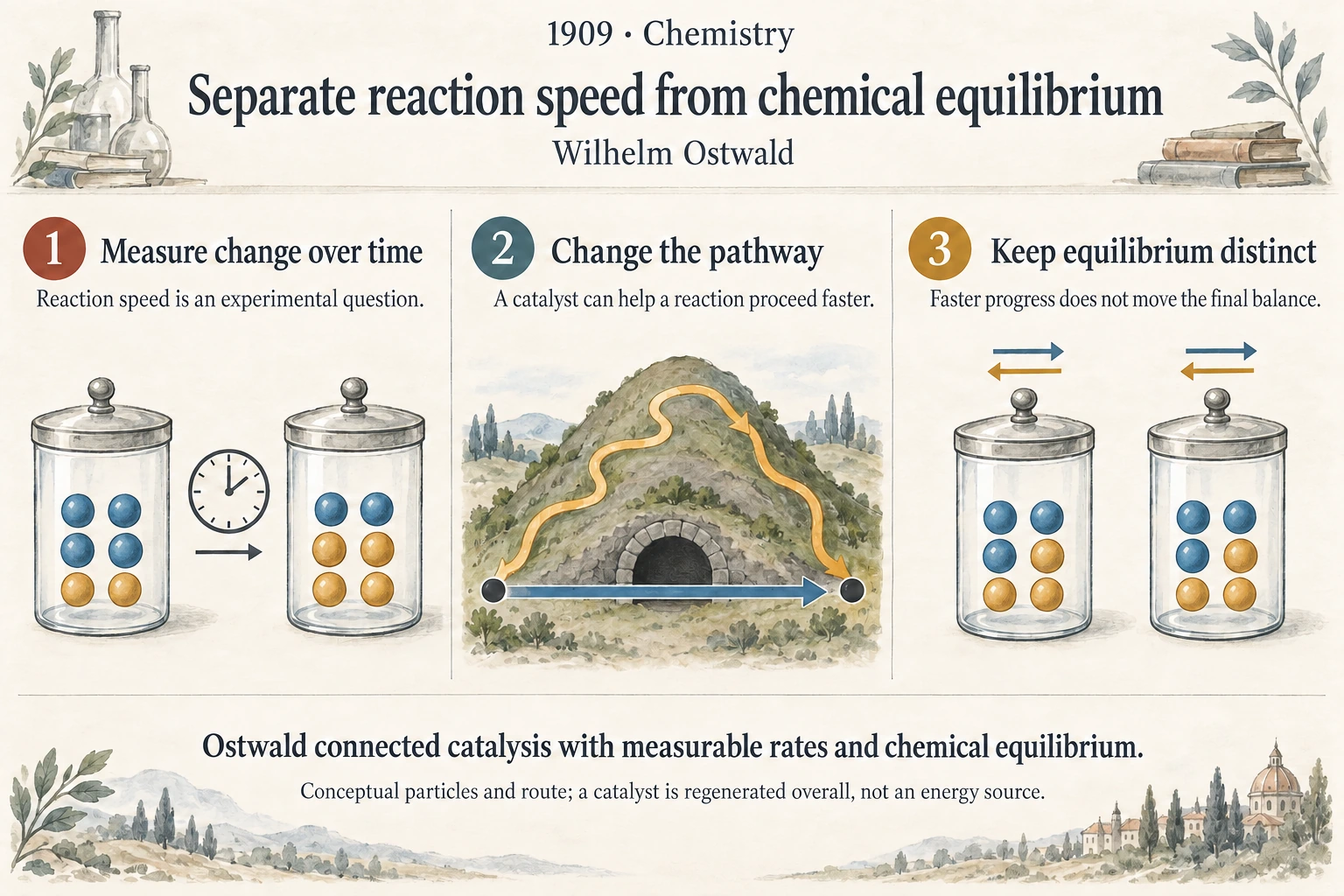
Infographic explaining Separate reaction speed from chemical equilibrium
Original AI-generated infographic. A conceptual overview; the explanations and sources below provide context.
Read the poster text

Ostwald connected catalysis with measurable rates and chemical equilibrium.

  1. Measure change over time

    Reaction speed is an experimental question.

  2. Change the pathway

    A catalyst can help a reaction proceed faster.

  3. Keep equilibrium distinct

    Faster progress does not move the final balance.

Conceptual particles and route; a catalyst is regenerated overall, not an energy source.

01 · The discovery

The idea, in everyday language

Some reactions proceed so slowly that little appears to happen during an observation. A catalyst can make a reaction faster while being regenerated in the overall process. It may participate in intermediate steps; being absent from the net end-products does not mean that it never interacts with the reacting substances. Ostwald studied rates, acid and base action and conductivity to bring such effects into quantitative physical chemistry.

Equilibrium is a different question from speed. In a reversible reaction, forward and reverse changes continue at equal rates when the composition is at equilibrium. A catalyst helps the system approach that balance faster without changing its equilibrium composition under the same conditions. Ostwald’s 1909 prize joined catalysis with fundamental investigations of equilibria and reaction rates, rather than rewarding a recipe for one industrial chemical.

Why it matters

The research helped establish physical chemistry as a framework for measuring and comparing reactions. Catalysis became important in industrial production and in understanding enzymes, while each real process still required evidence about mechanism, operating conditions and unwanted reactions.
02 · The people

Who brought the idea to life?

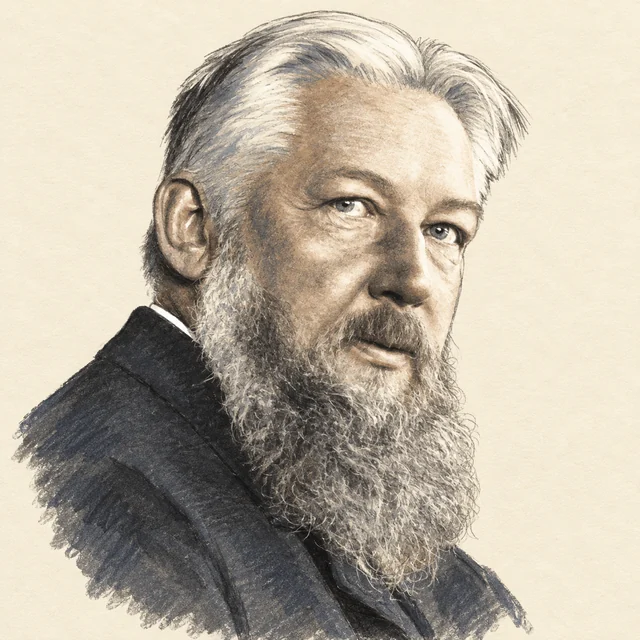
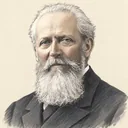
Illustrated portrait of Wilhelm Ostwald

Wilhelm Ostwald

Prize share · 1

Ostwald received the full Chemistry Prize for catalysis and fundamental work on chemical equilibria and reaction rates. Measurement helped distinguish how fast change occurs from the equilibrium towards which a system moves.

Read the biography ↗

03 · Years in the making

The path here

  1. 1887

    Ostwald takes the Leipzig chair and helps establish a physical-chemistry journal.

  2. 1888

    His dilution law for weak electrolytes is developed.

  3. 1894

    He publishes a formulation of catalytic action.

  4. 1906

    He retires from the Leipzig chair.

  5. 1909

    He receives the full Chemistry Prize.

  6. 1932

    He dies near Leipzig.

04 · Read further

From the original sources

Original explanations by Curionode, based on the official records below. Biographical details and affiliations refer to the award year.

  1. Official award summary nobelprize.org
  2. Award ceremony speech nobelprize.org
  3. Leipzig University: Ostwald’s physical chemistry and later interests kustodie.uni-leipzig.de
  4. IUPAC Gold Book: catalyst goldbook.iupac.org

More in Chemistry

Browse this subject ↗