c.curionodeThe Nobel Archive

1909 · Physiology or Medicine

Follow the patient beyond the operation

Removing an enlarged thyroid could relieve an immediate problem yet cause serious later illness. Kocher joined improvements in surgery with investigation of the gland’s function and the consequences of losing it.

Thyroid glandPatient follow-upEndocrine physiology
1909Physiology or Medicine

Visual guide

The prize, pictured

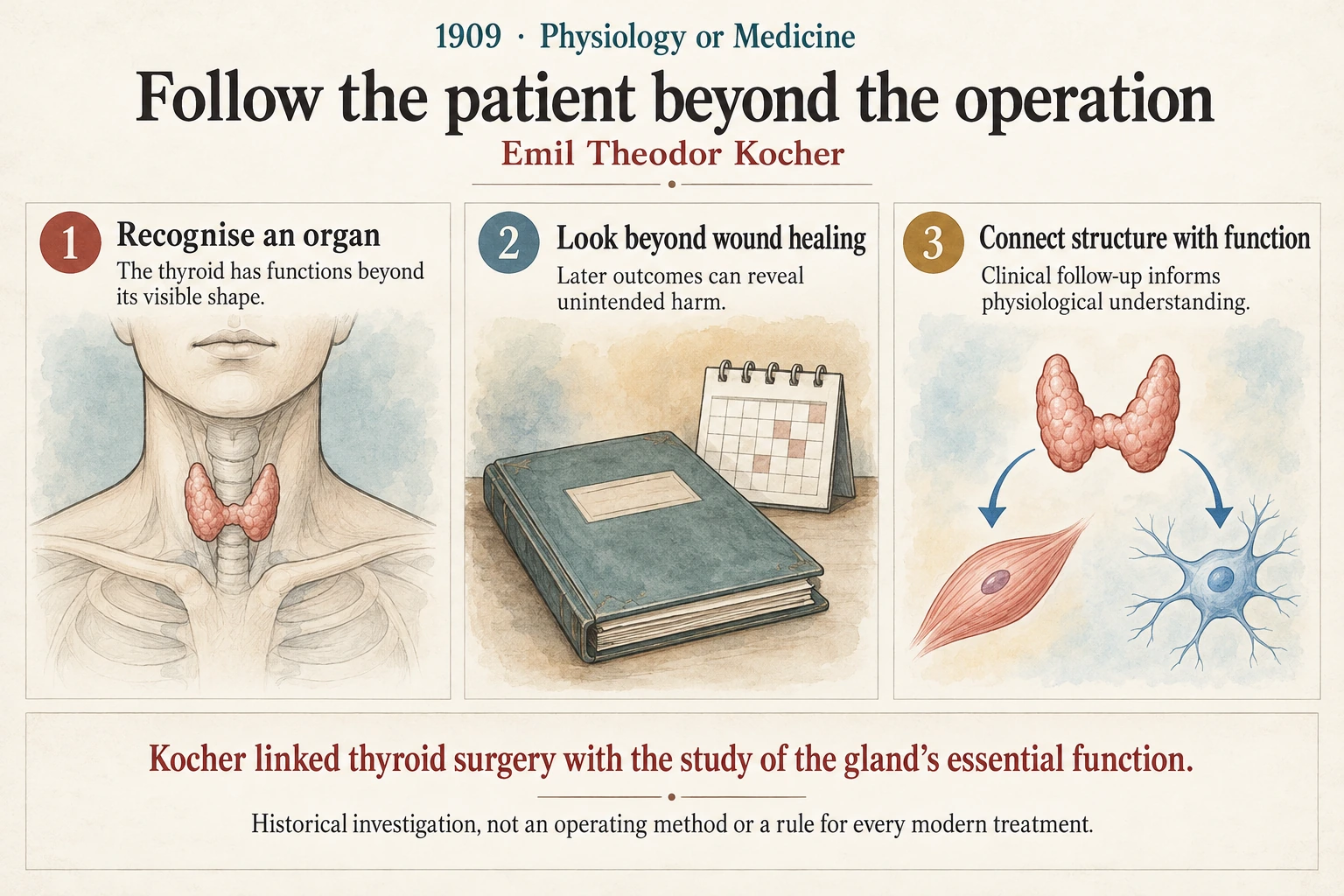
Infographic explaining Follow the patient beyond the operation
Original AI-generated infographic. A conceptual overview; the explanations and sources below provide context.
Read the poster text

Kocher linked thyroid surgery with the study of the gland’s essential function.

  1. Recognise an organ

    The thyroid has functions beyond its visible shape.

  2. Look beyond wound healing

    Later outcomes can reveal unintended harm.

  3. Connect structure with function

    Clinical follow-up informs physiological understanding.

Historical investigation, not an operating method or a rule for every modern treatment.

01 · The discovery

The idea, in everyday language

A goitre is an enlarged thyroid, not a single diagnosis or proof that the gland has no useful function. In the nineteenth century a large enlargement could obstruct nearby structures, while surgery itself carried major risks. Kocher improved operative care, but successful wound healing did not settle whether the intervention had been successful for the patient.

In 1883 he reported systematic follow-up showing serious later effects after complete removal, in contrast with many patients whose functioning thyroid tissue remained. Reverdin’s observations and work in other centres also mattered. Kocher’s first proposed mechanism was incomplete; continued investigation helped establish the importance of internal secretion and metabolism. The 1909 award recognised physiology, pathology and surgery together.

Why it matters

The work helped link surgery with endocrine physiology and made later outcomes part of judging an intervention. A careful review of unintended harm could change practice even before its mechanism was fully understood.
02 · The people

Who brought the idea to life?

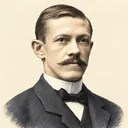
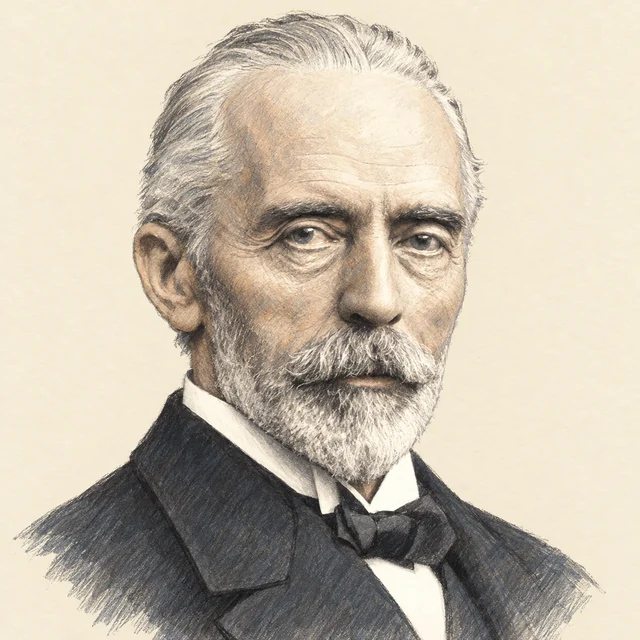
Illustrated portrait of Emil Theodor Kocher

Emil Theodor Kocher

Prize share · 1

Kocher received the full Medicine Prize for work on the thyroid gland. Improving surgery and following patients afterwards helped show that technical recovery did not necessarily preserve the gland’s essential physiological function.

Read the biography ↗

03 · Years in the making

The path here

  1. 1865

    Kocher completes his medical doctorate.

  2. 1872

    He becomes Bern’s professor of surgery and clinic director.

  3. 1882

    Reverdin reports postoperative changes after thyroid removal.

  4. 1883

    Kocher presents a detailed review of former patients.

  5. 1909

    He receives the full Physiology or Medicine Prize.

  6. 1912

    He donates funds for biological research.

  7. 1917

    He dies in Bern.

04 · Read further

From the original sources

Original explanations by Curionode, based on the official records below. Biographical details and affiliations refer to the award year.

  1. Official award summary nobelprize.org
  2. Award ceremony speech nobelprize.org
  3. Ulrich Tröhler: Kocher’s patient follow-up and its limits boris-portal.unibe.ch
  4. NIDDK: thyroid function and modern hormone replacement niddk.nih.gov

More in Physiology or Medicine

Browse this subject ↗