c.curionodeThe Nobel Archive

1912 · Peace

Build legal routes for international disputes

Root promoted arbitration agreements and relations between the Americas. His reserved 1912 Peace Prize was announced in 1913, recognising legal internationalism within a career also tied to United States imperial power.

ArbitrationDiplomacyInternational law
1912Peace

Visual guide

The prize, pictured

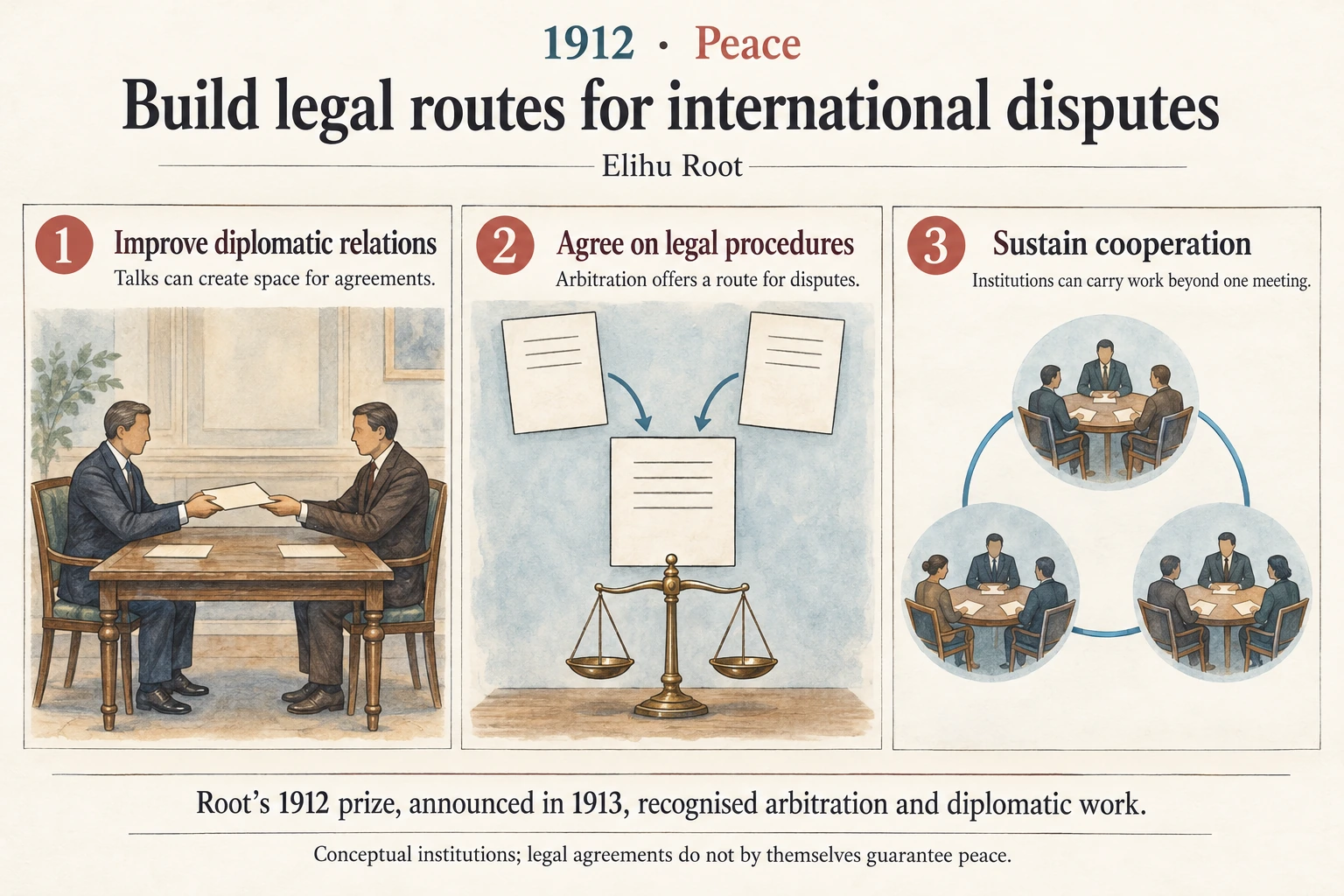
Infographic explaining Build legal routes for international disputes
Original AI-generated infographic. A conceptual overview; the explanations and sources below provide context.
Read the poster text

Root’s 1912 prize, announced in 1913, recognised arbitration and diplomatic work.

  1. Improve diplomatic relations

    Talks can create space for agreements.

  2. Agree on legal procedures

    Arbitration offers a route for disputes.

  3. Sustain cooperation

    Institutions can carry work beyond one meeting.

Conceptual institutions; legal agreements do not by themselves guarantee peace.

01 · The contribution

The idea, in everyday language

When governments disagree, an agreed legal procedure offers another route besides threats or force. Root promoted arbitration treaties and supported international arrangements for hearing disputes. As Secretary of State he also sought closer diplomatic relations with Latin American governments, including his South American tour of 1906 and support for the 1907 Central American peace conference.

His public work linked diplomacy with lasting institutions. He became the first president of the Carnegie Endowment for International Peace in 1910 and continued to advocate arbitration while serving in the Senate. The Nobel Committee reserved the 1912 prize and announced his award on 10 December 1913. He was absent; the published presentation is translated from a newspaper report. His later work on the Permanent Court of International Justice followed the award.

Why it matters

Root helped advance the idea that legal procedures and institutions should play a continuing role in relations between states. His contribution formed part of a wider movement involving other diplomats, governments and peace organisations.
02 · The people

Who brought the idea to life?

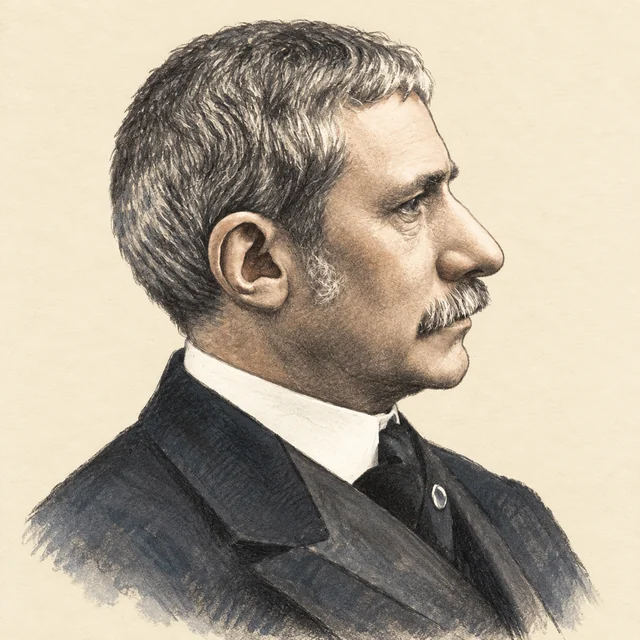
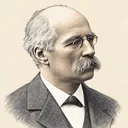
Illustrated portrait of Elihu Root

Elihu Root

Prize share · 1

Root received the full Peace Prize for work on relations between the Americas and international arbitration agreements. The award belonged to 1912 but was reserved and announced in 1913; his legal internationalism coexisted with service in an expansionist United States government.

Read the biography ↗

03 · Years in the making

The path here

  1. 1845

    Root is born in Clinton, New York.

  2. 1867

    He completes law school at New York University.

  3. 1905

    He becomes Secretary of State.

  4. 1906

    He tours South America.

  5. 1910

    He becomes the Carnegie Endowment’s first president.

  6. 1912

    The Peace Prize is reserved.

  7. 1913

    His 1912 award is announced on 10 December.

04 · Read further

From the original sources

Original explanations by Curionode, based on the official records below. Biographical details and affiliations refer to the award year.

  1. Official award summary nobelprize.org
  2. Historical presentation account nobelprize.org
  3. US State Department: Elihu Root’s diplomatic career history.state.gov