c.curionodeThe Nobel Archive

1937 · Physics

Reveal the wave behaviour of electrons

Two independent kinds of electron-diffraction experiment supported a new description of matter and offered a way to investigate crystal structure.

Electron diffractionMatter wavesCrystal structureIndependent experiments
1937Physics

Visual guide

The prize, pictured

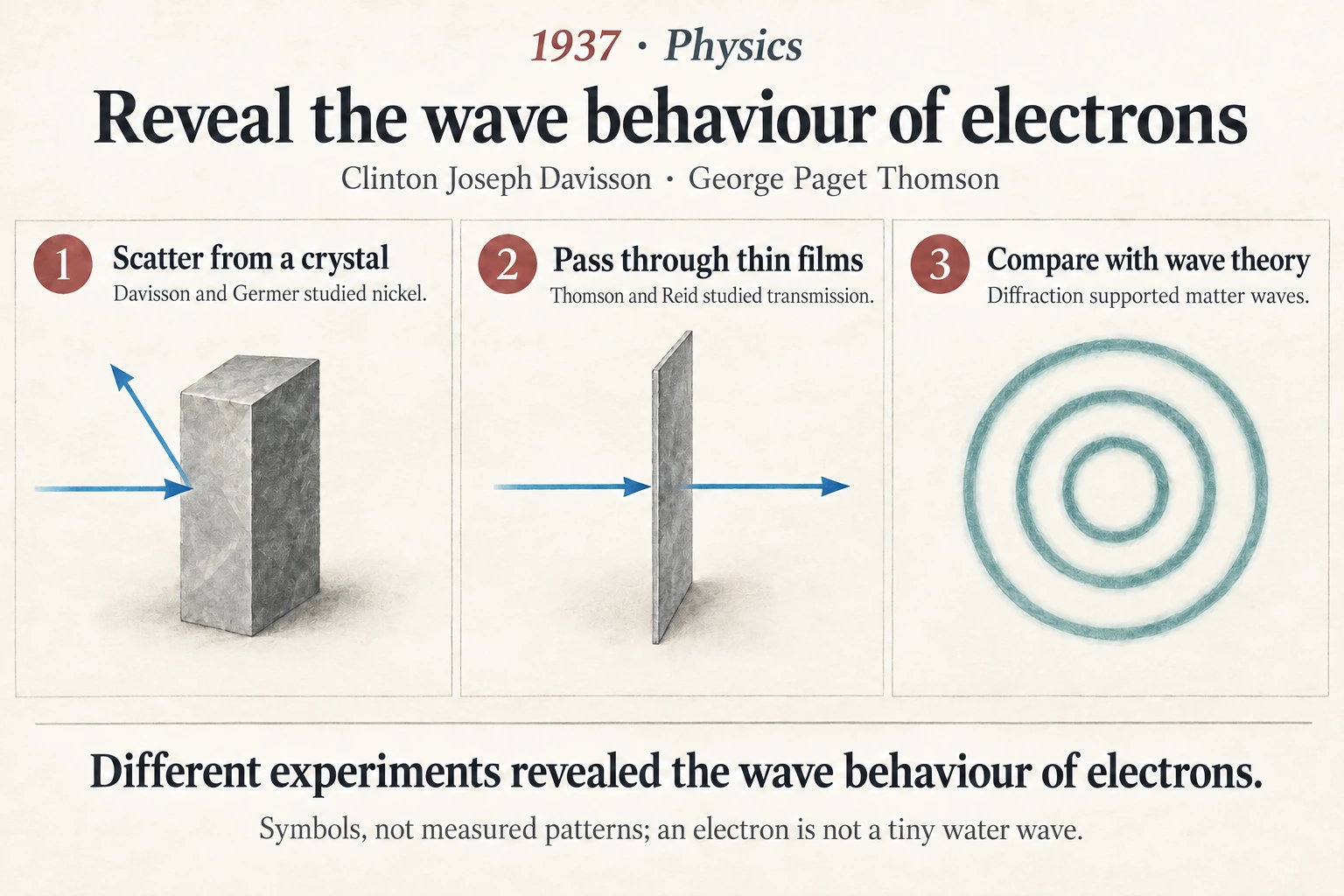
Infographic explaining Reveal the wave behaviour of electrons
Original AI-generated infographic. A conceptual overview; the explanations and sources below provide context.
Read the poster text

Different experiments revealed the wave behaviour of electrons.

  1. Scatter from a crystal

    Davisson and Germer studied nickel.

  2. Pass through thin films

    Thomson and Reid studied transmission.

  3. Compare with wave theory

    Diffraction supported matter waves.

Symbols, not measured patterns; an electron is not a tiny water wave.

01 · The discovery

The idea, in everyday language

An electron leaves localised traces, yet its behaviour cannot always be explained as a tiny classical projectile. De Broglie proposed a relation between a particle’s momentum and an associated wavelength. Crystals, with their regular atomic arrangement, offered a test: a beam with wave properties could produce preferred directions and interference rather than a featureless spread.

Davisson and Germer studied electrons scattered from a nickel crystal at Bell Laboratories. Thomson and Reid sent electrons through very thin films at Aberdeen; rings appeared on a photographic plate. Follow-up experiments with metal films related the patterns to crystal structure and electron momentum. These were independent methods, not two accounts of the same nickel-transmission experiment. Both produced evidence consistent with matter waves.

Why it matters

Electron diffraction strengthened the experimental basis of quantum physics. Once wavelength and momentum could be related, diffraction could also help investigate atomic arrangements. Electron and X-ray methods have different interactions with matter and different useful ranges; neither is a universal replacement for the other.
02 · The people

Who brought the idea to life?

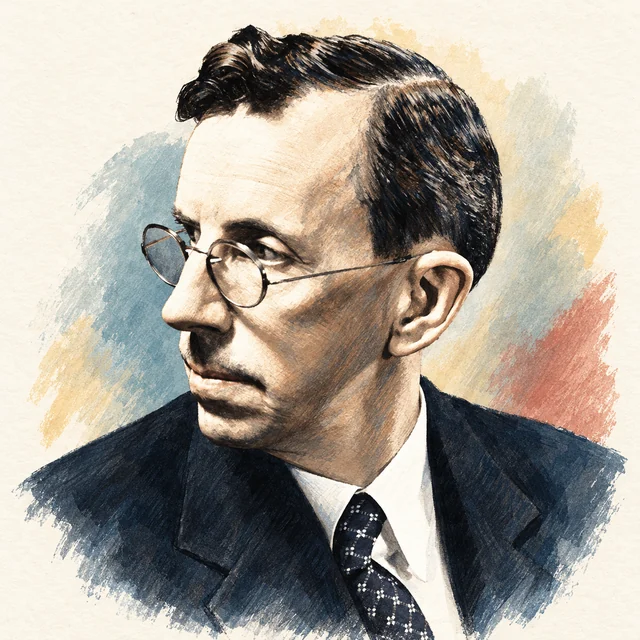
Illustrated portrait of Clinton Joseph Davisson

Clinton Joseph Davisson

Prize share · 1/2

Davisson received half the Physics Prize for electron diffraction by crystals. His nickel-scattering experiments with Germer provided evidence for the wave behaviour of electrons; they were distinct from Thomson’s thin-film experiments.

Read the biography ↗
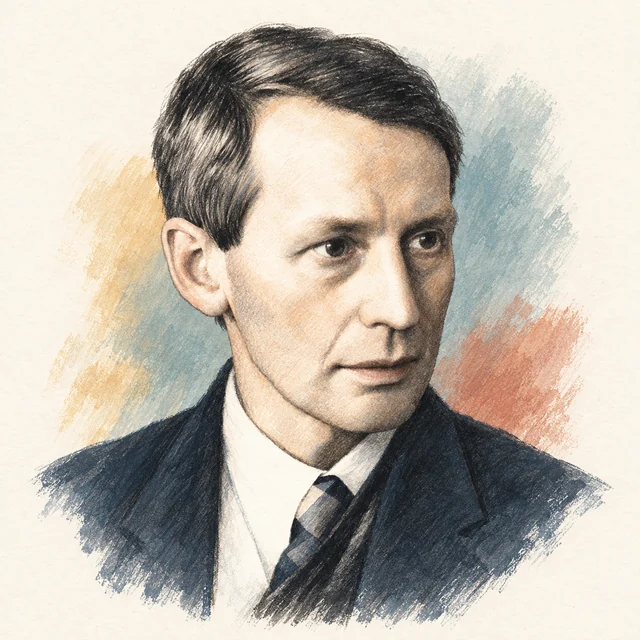
Illustrated portrait of George Paget Thomson

George Paget Thomson

Prize share · 1/2

Thomson received half the Physics Prize for electron diffraction by crystals. His thin-film transmission research, including work with Reid at Aberdeen, established wave-like diffraction independently of Davisson’s scattering experiments.

Read the biography ↗

03 · Years in the making

The path here

  1. 1911

    Davisson receives his Princeton doctorate.

  2. 1917

    He joins Western Electric, later Bell Laboratories.

  3. 1927

    Davisson and Germer report nickel-crystal diffraction; Thomson and Reid report thin-film rings.

  4. 1930

    Thomson takes up his Imperial College professorship.

  5. 1937

    The two independent experimental contributions share the Physics Prize.

04 · Read further

From the original sources

Original explanations by Curionode, based on the official records below. Biographical details and affiliations refer to the award year.

  1. Official award summary nobelprize.org
  2. Award ceremony speech nobelprize.org
  3. Original paper: Davisson and Germer, 1927 journals.aps.org
  4. Original paper: Thomson and Reid, 1927 nature.com
  5. Original paper: Thomson’s metal-film work, 1927 nature.com
  6. Imperial College: Nobel laureates imperial.ac.uk
  7. Official biography: Clinton Joseph Davisson nobelprize.org
  8. Official biography: George Paget Thomson nobelprize.org