01 · The discovery
The idea, in everyday language
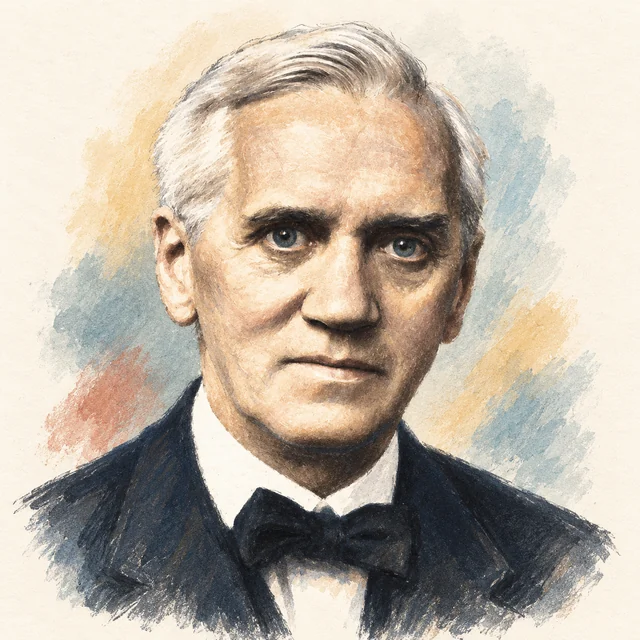
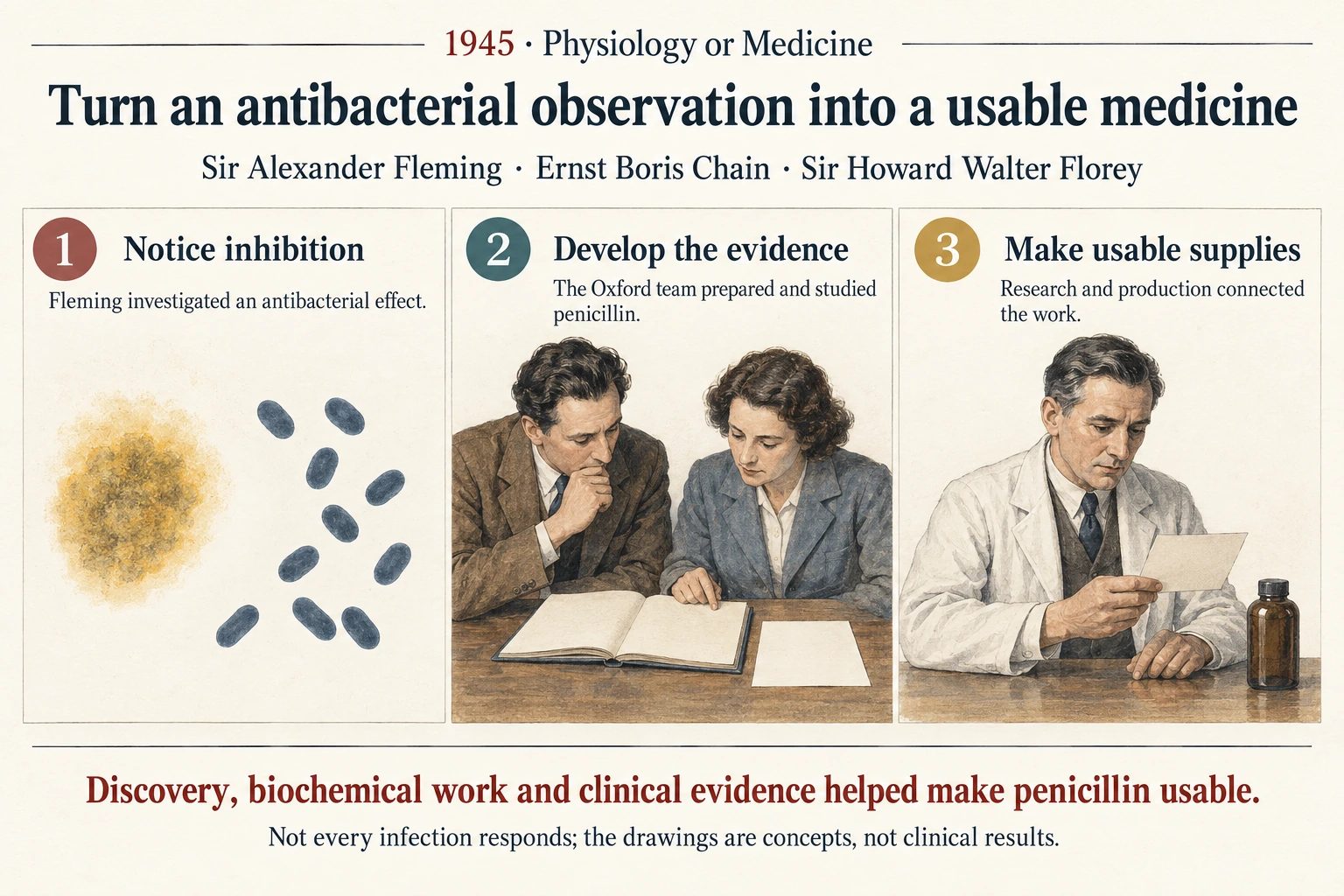
In 1928 Fleming investigated a mould contaminant associated with inhibited bacterial growth and named the active substance penicillin. The observation suggested an antibacterial resource, but the substance was unstable and difficult to prepare. Seeing an effect near a mould was different from establishing a dependable medicine.
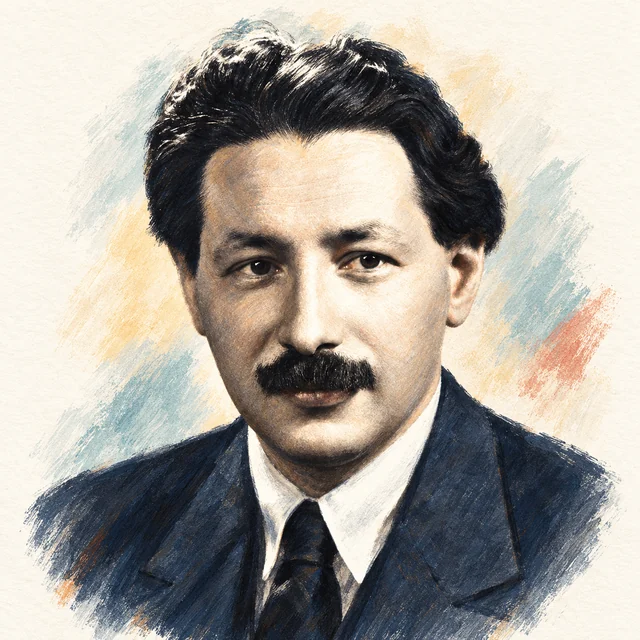
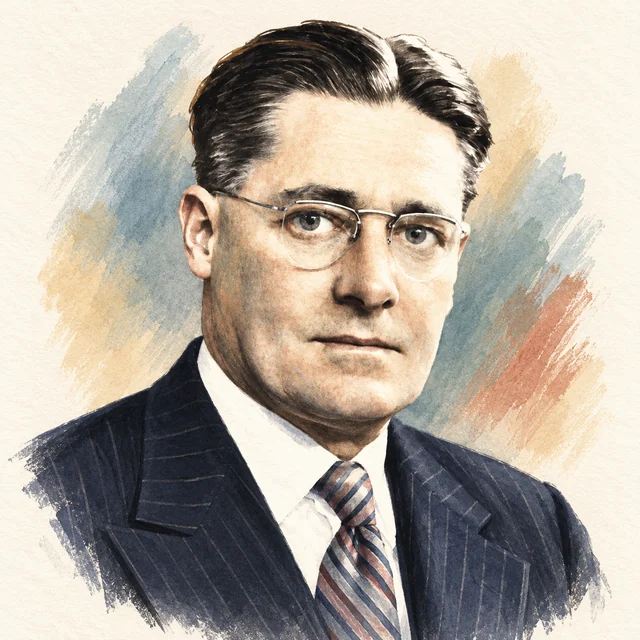
At Oxford, Chain and Florey led a renewed investigation with colleagues including Abraham and Heatley. Biochemical preparation, assessment of activity, animal studies and studies of treatment in people addressed different parts of the problem. Reports in 1940 and 1941 helped establish its therapeutic potential, while large-scale production depended on further research and industrial collaboration, including work in the United States. All three laureates received equal thirds.
Why it matters
Penicillin changed the prospects for treating several serious bacterial infections. Its history shows why close observation and sustained basic research need to meet biochemistry, clinical investigation and manufacturing. The many contributors beyond the laureates remain part of the achievement.