c.curionodeThe Nobel Archive

1946 · Physics

Give pressure a place in the experiment

Bridgman opened extremely high pressures to careful investigation and used that access to discover changes in material behaviour.

High pressureMaterial propertiesExperimental methodsStructure
1946Physics

Visual guide

The prize, pictured

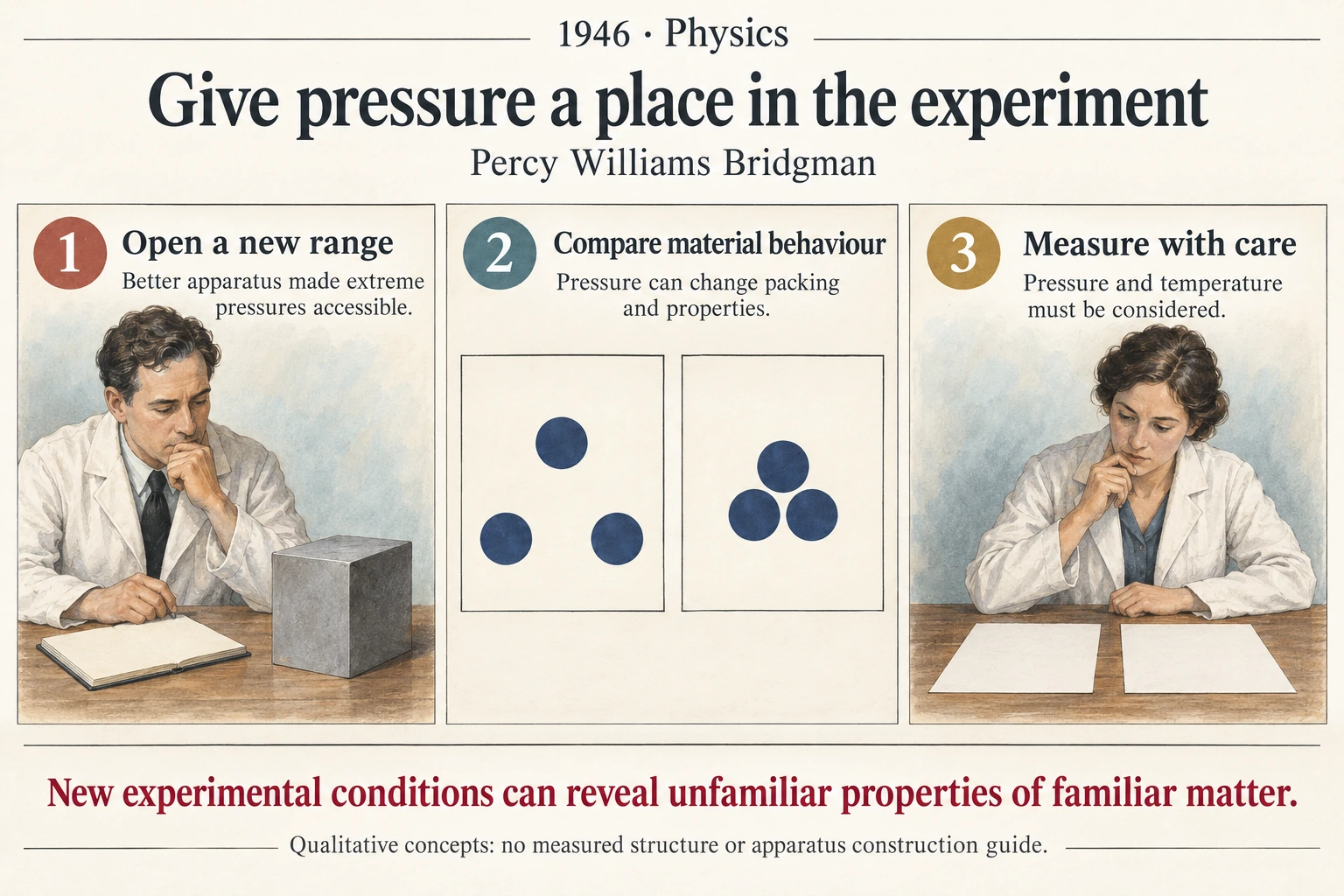
Infographic explaining Give pressure a place in the experiment
Original AI-generated infographic. A conceptual overview; the explanations and sources below provide context.
Read the poster text

New experimental conditions can reveal unfamiliar properties of familiar matter.

  1. Open a new range

    Better apparatus made extreme pressures accessible.

  2. Compare material behaviour

    Pressure can change packing and properties.

  3. Measure with care

    Pressure and temperature must be considered.

Qualitative concepts: no measured structure or apparatus construction guide.

01 · The discovery

The idea, in everyday language

A material’s familiar properties describe only part of its behaviour. What happens when the pressure rises far beyond ordinary conditions? Before Bridgman, leakage, containment and measurement restricted the range available for systematic investigation. His work from 1905 improved experimental access and made higher pressures useful for research.

He then investigated compressibility, electrical resistance, thermal properties and changes between different forms of substances, including ice. The prize joined the enabling apparatus with the discoveries made using it. The contribution was a sustained programme of making conditions accessible, measuring them and comparing what materials do under those conditions.

Why it matters

High-pressure investigation extended physics into conditions that ordinary laboratory surroundings could not represent. It revealed that a substance can have different structures and physical properties depending on its environment, while providing data against which explanations could be tested. Calibration and materials research were part of making those observations reliable.
02 · The people

Who brought the idea to life?

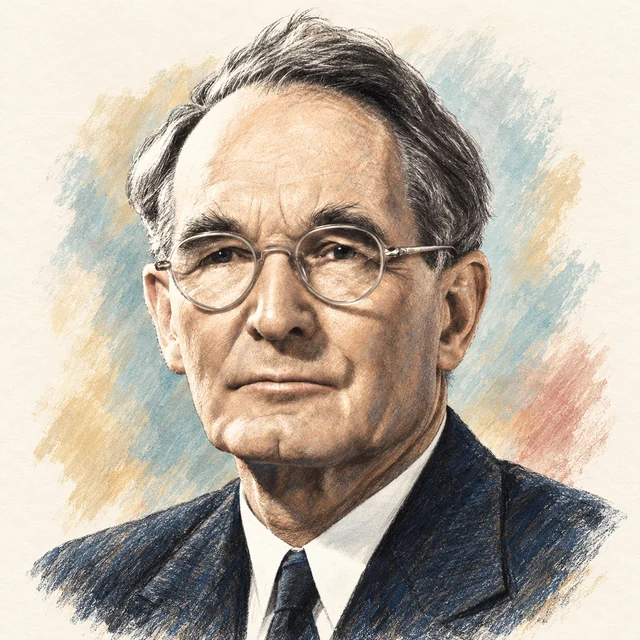
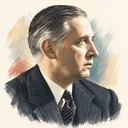
Illustrated portrait of Percy Williams Bridgman

Percy Williams Bridgman

Prize share · 1

Bridgman developed apparatus for extremely high pressures and used it to discover changes in the structure and properties of matter. He received the full Physics Prize for the combination of experimental access and investigation.

Read the biography ↗

03 · Years in the making

The path here

  1. 1905

    Begins investigating high-pressure effects.

  2. 1908

    Receives his doctorate in physics at Harvard.

  3. 1926

    Becomes Hollis professor of mathematics and natural philosophy.

  4. 1927

    Publishes The Logic of Modern Physics.

  5. 1931

    Publishes The Physics of High Pressure.

  6. 1946

    Receives the Physics Prize for apparatus and discoveries.

04 · Read further

From the original sources

Original explanations by Curionode, based on the official records below. Biographical details and affiliations refer to the award year.

  1. Official award summary nobelprize.org
  2. Award ceremony speech nobelprize.org
  3. Official biography: Percy Williams Bridgman nobelprize.org