c.curionodeThe Nobel Archive

1945 · Physics

Give each electron a distinct complete state

Pauli’s exclusion principle supplied a rule for the arrangement of electrons, helping explain the structure and properties of atoms.

Quantum statesExclusion principleElectron structureAtomic physics
1945Physics

Visual guide

The prize, pictured

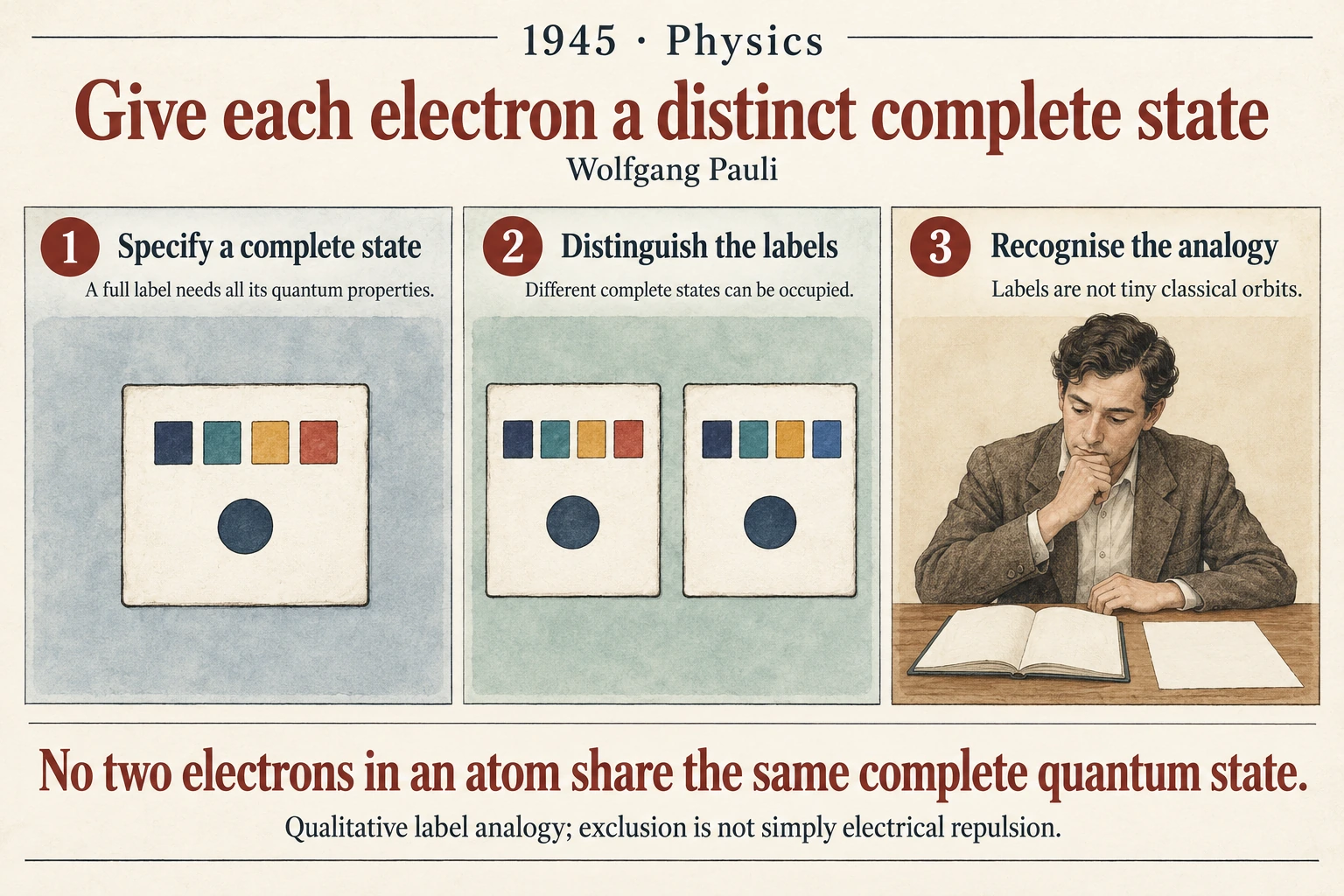
Infographic explaining Give each electron a distinct complete state
Original AI-generated infographic. A conceptual overview; the explanations and sources below provide context.
Read the poster text

No two electrons in an atom share the same complete quantum state.

  1. Specify a complete state

    A full label needs all its quantum properties.

  2. Distinguish the labels

    Different complete states can be occupied.

  3. Recognise the analogy

    Labels are not tiny classical orbits.

Qualitative label analogy; exclusion is not simply electrical repulsion.

01 · The discovery

The idea, in everyday language

Why do electrons form a structured atom rather than all take the same lowest available state? Energies and electrical attraction alone did not supply the missing rule. In 1925 Pauli stated that two electrons in an atom cannot have identical complete sets of quantum numbers. A two-valued property, later understood through spin, is part of that complete description.

The distinction between a complete state and a spatial orbital matters. Two electrons can share a spatial orbital when their spin states differ; their complete states are then different. The principle helped make electron configurations intelligible and became essential to explaining patterns in the elements. It also has applications to other particles, including protons and neutrons.

Why it matters

The rule connects microscopic quantum structure with recurring chemical properties, the behaviour of metals and the description of nuclei. Pauli’s award recognised a general constraint on possible electronic arrangements, rather than a new photograph of the atom.
02 · The people

Who brought the idea to life?

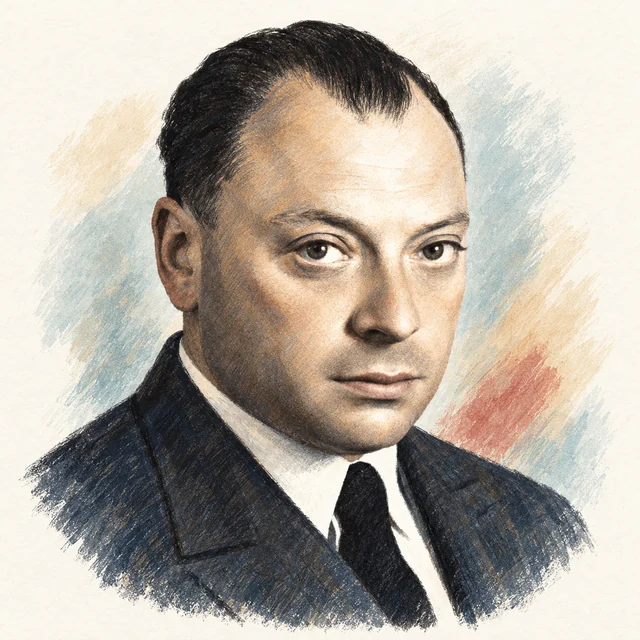
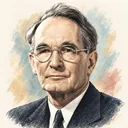
Illustrated portrait of Wolfgang Pauli

Wolfgang Pauli

Prize share · 1

Pauli formulated the exclusion principle in 1925, explaining why two electrons in an atom cannot have the same complete set of quantum numbers. He received the full Physics Prize.

Read the biography ↗

03 · Years in the making

The path here

  1. 1921

    Completes his doctorate in Munich under Sommerfeld.

  2. 1925

    Formulates the exclusion principle for electrons.

  3. 1928

    Becomes a professor at ETH Zurich.

  4. 1940

    Begins the wartime IAS membership recorded through 1946.

  5. 1945

    Receives the full Physics Prize; a US diplomatic representative accepts in Stockholm.

04 · Read further

From the original sources

Original explanations by Curionode, based on the official records below. Biographical details and affiliations refer to the award year.

  1. Official award summary nobelprize.org
  2. Award ceremony speech nobelprize.org
  3. IAS institutional record: Pauli’s wartime membership ias.edu
  4. Official biography: Wolfgang Pauli nobelprize.org