c.curionodeThe Nobel Archive

1948 · Literature

New poetic forms for a complex modern world

Eliot’s changing voices, allusions and rhythms helped reshape modern poetry, while his work explored time, tradition and spiritual experience.

Modern poetryVoice and rhythmAllusionLiterary tradition
1948Literature

Visual guide

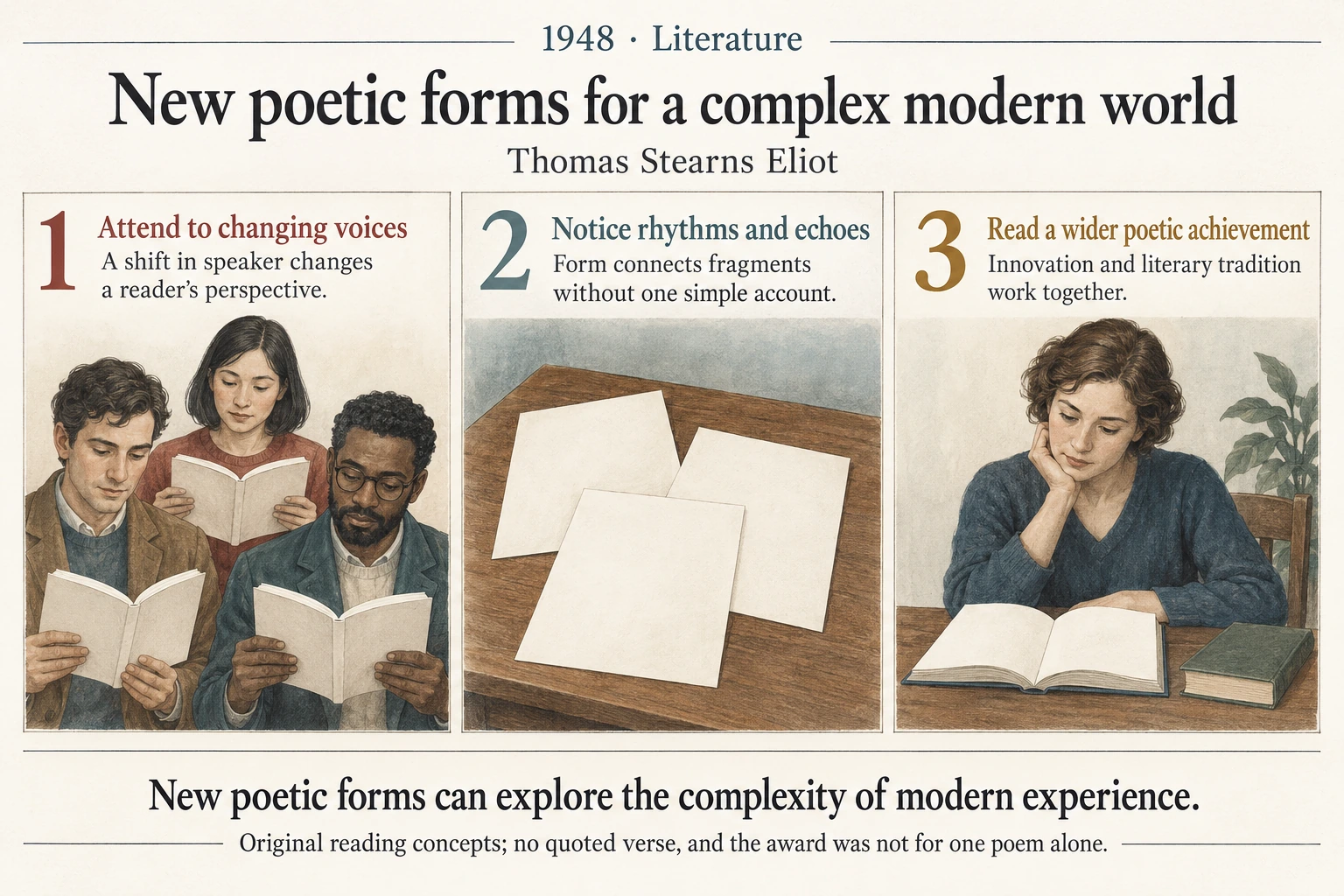
The prize, pictured

Infographic explaining New poetic forms for a complex modern world
Original AI-generated infographic. A conceptual overview; the explanations and sources below provide context.
Read the poster text

New poetic forms can explore the complexity of modern experience.

  1. Attend to changing voices

    A shift in speaker changes a reader’s perspective.

  2. Notice rhythms and echoes

    Form connects fragments without one simple account.

  3. Read a wider poetic achievement

    Innovation and literary tradition work together.

Original reading concepts; no quoted verse, and the award was not for one poem alone.

01 · The contribution

The idea, in everyday language

How can poetry give form to a world experienced as fragmented and difficult to interpret? Eliot brought different registers, voices and cultural references into carefully constructed arrangements. A shift in rhythm or speaker can make a reader reconsider what a passage means, rather than follow a single continuous account.

The Waste Land appeared in 1922, not 1932 as the short Nobel facts page states. Its formal experiment was one part of the wider poetic achievement recognised in 1948. Later work, including the Four Quartets collection of 1943, developed sustained reflection on time and spiritual experience. Innovation and attention to literary tradition coexisted in his work rather than forming a simple opposition.

Why it matters

The prize recognised a pioneering contribution to contemporary poetry, with influence on poetic diction and form. Eliot also shaped literary discussion through criticism, editing and verse drama. The award cannot be reduced to one poem, a requirement that all poetry be difficult, or a general endorsement of every social or religious judgement he made.
02 · The people

Who brought the idea to life?

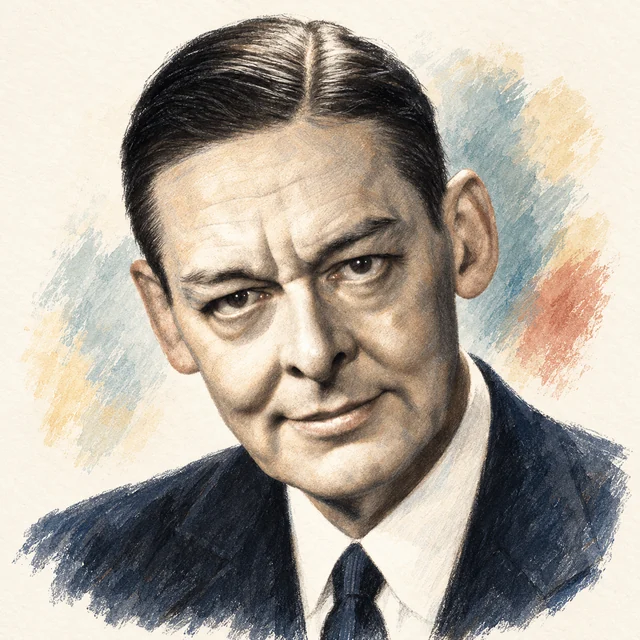
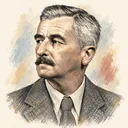
Illustrated portrait of Thomas Stearns Eliot

Thomas Stearns Eliot

Prize share · 1

Eliot developed influential forms of modern poetry through voice, rhythm, allusion and the relationship between tradition and new writing. He received the full Literature Prize for this poetic contribution.

Read the biography ↗

03 · Years in the making

The path here

  1. 1917

    Prufrock and Other Observations appears.

  2. 1922

    The Waste Land appears; Eliot founds The Criterion.

  3. 1927

    He becomes a British citizen.

  4. 1930

    Ash-Wednesday appears.

  5. 1939

    The Criterion ends after seventeen years.

  6. 1943

    Four Quartets appears as a collection in the United States; the British edition follows in 1944.

  7. 1948

    Eliot receives the Literature Prize for his contribution to contemporary poetry.

04 · Read further

From the original sources

Original explanations by Curionode, based on the official records below. Biographical details and affiliations refer to the award year.

  1. Official award summary nobelprize.org
  2. Award ceremony speech nobelprize.org
  3. Official bibliography: Eliot’s publication dates nobelprize.org
  4. Official biography: Thomas Stearns Eliot nobelprize.org

More in Literature

Browse this subject ↗