c.curionodeThe Nobel Archive

1949 · Chemistry

Measuring entropy near absolute zero

Giauque used precise low-temperature measurements and magnetic cooling to investigate the thermal behaviour of substances and the limits of the third law.

EntropyThird lawMagnetic cooling
1949Chemistry

Visual guide

The prize, pictured

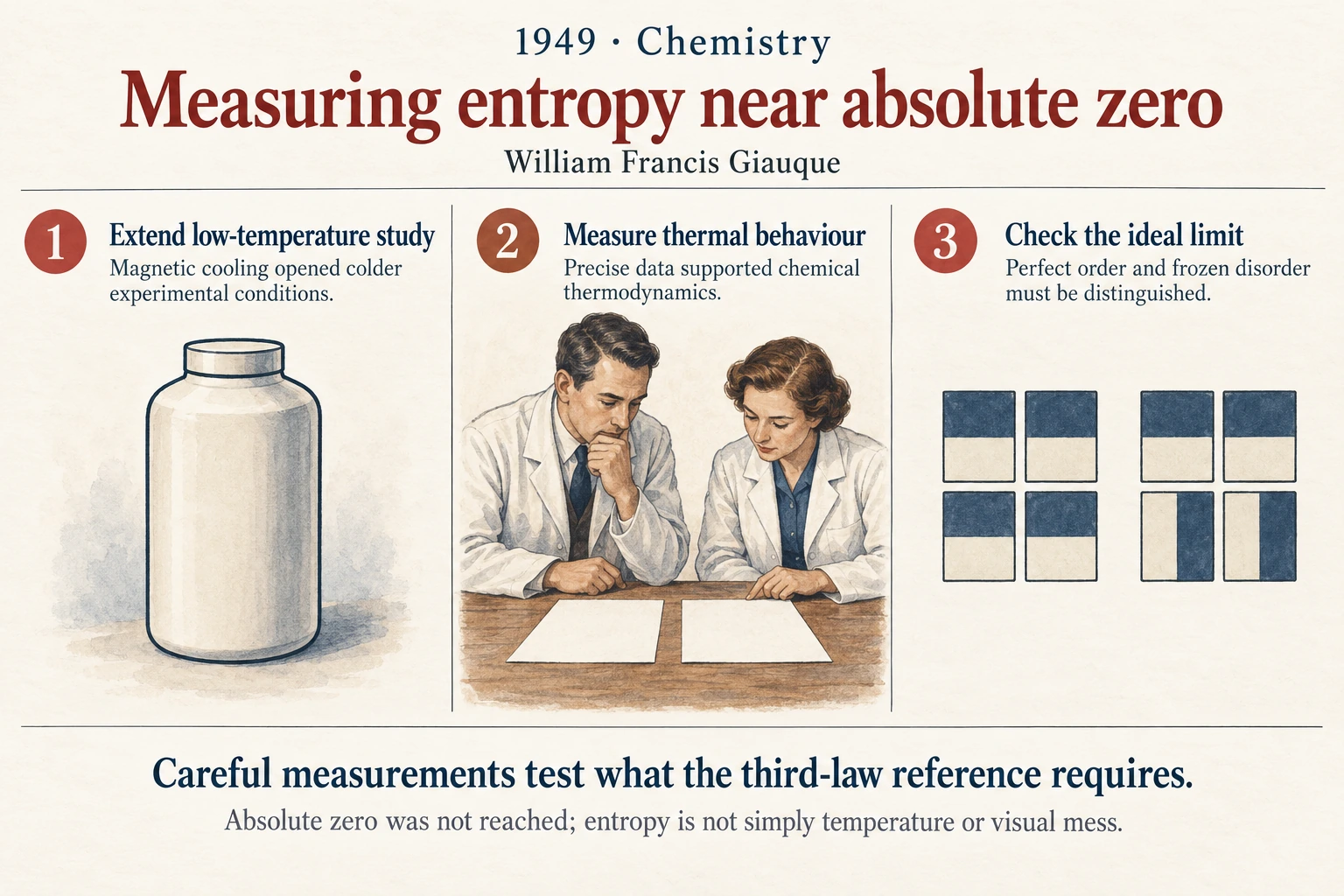
Infographic explaining Measuring entropy near absolute zero
Original AI-generated infographic. A conceptual overview; the explanations and sources below provide context.
Read the poster text

Careful measurements test what the third-law reference requires.

  1. Extend low-temperature study

    Magnetic cooling opened colder experimental conditions.

  2. Measure thermal behaviour

    Precise data supported chemical thermodynamics.

  3. Check the ideal limit

    Perfect order and frozen disorder must be distinguished.

Absolute zero was not reached; entropy is not simply temperature or visual mess.

01 · The discovery

The idea, in everyday language

How can chemical thermodynamics describe a substance when it is extremely cold? Measurements of heat capacity and other thermal changes help determine entropy and compare thermodynamic states. Giauque made these measurements unusually precise. With D. P. MacDougall, he demonstrated magnetic cooling in 1933, extending experiments below temperatures accessible with liquid helium alone.

The third-law reference assigns zero entropy at absolute zero to an ideally perfect, ordered crystal. Real substances can retain frozen arrangements that do not have this complete order. Giauque’s work examined such residual entropy, including orientational disorder in carbon monoxide, and tested the conditions under which thermodynamic predictions and measurements agree. The prize covered these wider contributions, not refrigeration alone.

Why it matters

Reliable low-temperature data strengthened chemical thermodynamics and the use of entropy in understanding material properties and chemical changes. The work linked experimental precision with careful treatment of the reference state, rather than assuming every cold solid must behave identically.
02 · The people

Who brought the idea to life?

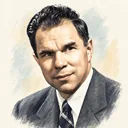
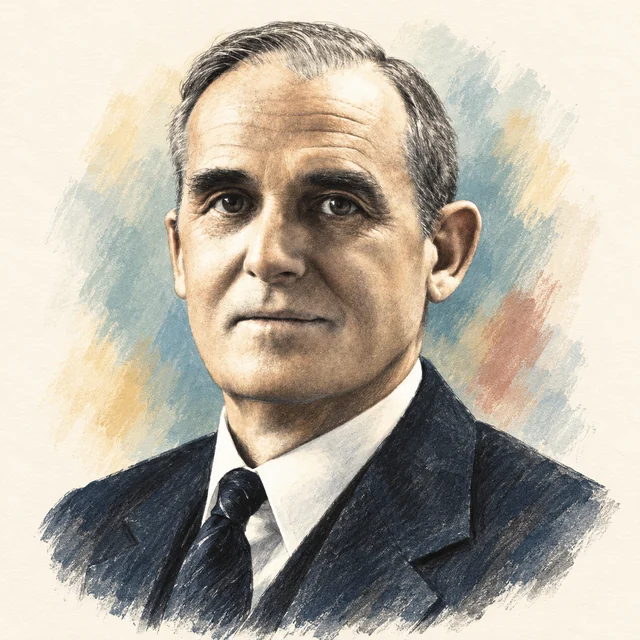
Illustrated portrait of William Francis Giauque

William Francis Giauque

Prize share · 1

Giauque combined precise low-temperature measurements with thermodynamic reasoning and developed magnetic cooling with MacDougall. He received the full Chemistry Prize for contributions extending beyond a refrigeration technique.

Read the biography ↗

03 · Years in the making

The path here

  1. 1920

    Giauque receives his Berkeley bachelor’s degree.

  2. 1922

    He completes his chemistry doctorate under G. E. Gibson.

  3. 1929

    Work with H. L. Johnston identifies oxygen isotopes.

  4. 1933

    Giauque and MacDougall demonstrate magnetic cooling to extremely low temperatures.

  5. 1934

    Giauque becomes a Berkeley professor.

  6. 1949

    He receives the Chemistry Prize for chemical thermodynamics, especially at extremely low temperatures.

04 · Read further

From the original sources

Original explanations by Curionode, based on the official records below. Biographical details and affiliations refer to the award year.

  1. Official award summary nobelprize.org
  2. Award ceremony speech nobelprize.org
  3. Berkeley: Giauque’s life and thermodynamic research chemistry.berkeley.edu
  4. Giauque and MacDougall: 1933 publication record journals.aps.org
  5. Official biography: William Francis Giauque nobelprize.org

More in Chemistry

Browse this subject ↗