c.curionodeThe Nobel Archive

1951 · Peace

Connecting social justice with peace

Jouhaux pursued labour rights, disarmament and cooperation across borders as foundations for a more peaceful society.

Social justiceLabour cooperationDisarmament
1951Peace

Visual guide

The prize, pictured

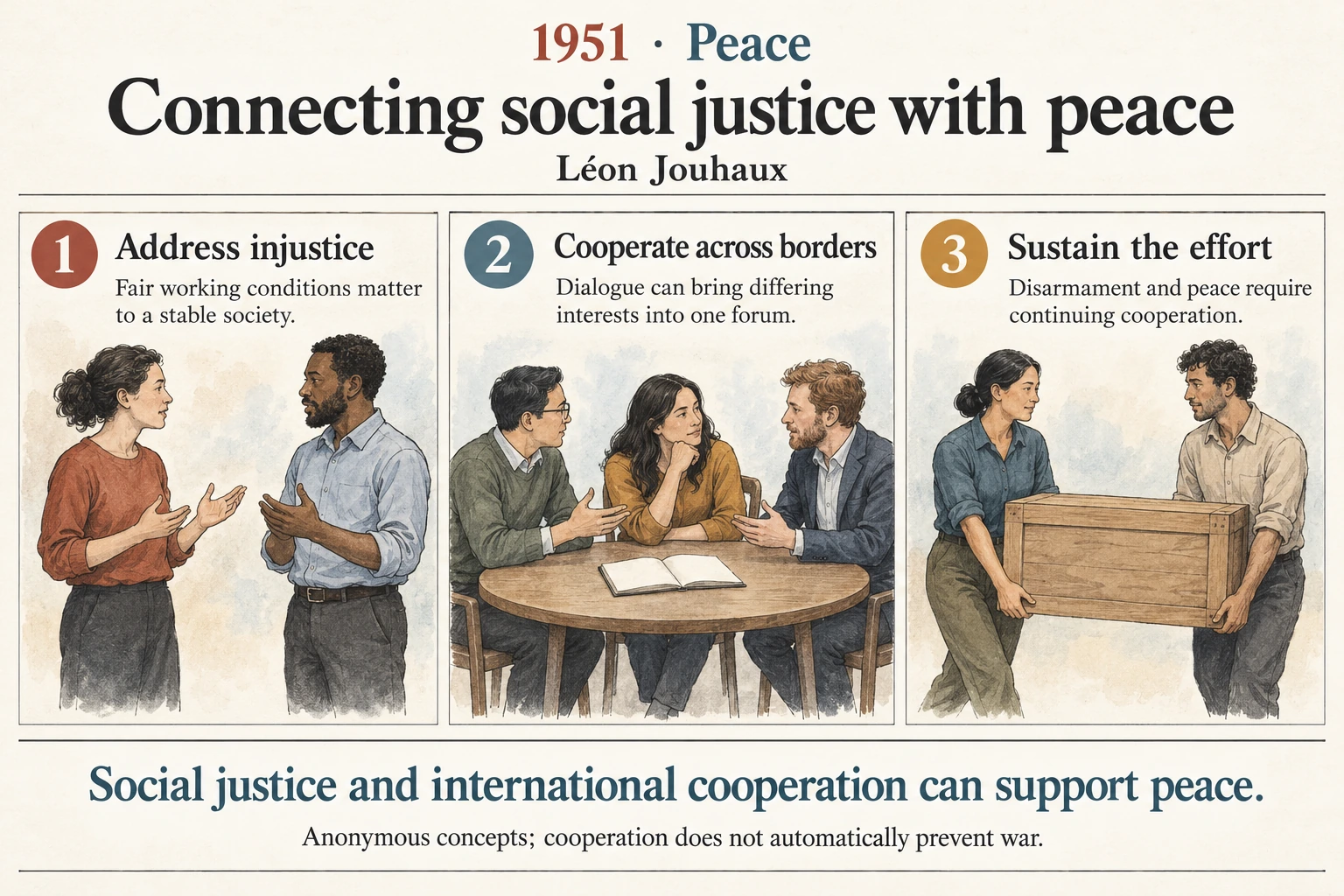
Infographic explaining Connecting social justice with peace
Original AI-generated infographic. A conceptual overview; the explanations and sources below provide context.
Read the poster text

Social justice and international cooperation can support peace.

  1. Address injustice

    Fair working conditions matter to a stable society.

  2. Cooperate across borders

    Dialogue can bring differing interests into one forum.

  3. Sustain the effort

    Disarmament and peace require continuing cooperation.

Anonymous concepts; cooperation does not automatically prevent war.

01 · The contribution

The idea, in everyday language

Peace requires more than the absence of immediate fighting. Jouhaux argued that injustice and insecurity in working life undermine stable relations, and that workers could cooperate across national boundaries. His pre-1914 contacts with other countries’ unions sought to resist nationalism, though the outbreak of war showed the limits of that effort.

He helped negotiate the creation of the International Labour Organization in 1919 and served as a workers’ representative on its Governing Body. Its cooperation among governments, employers and workers offered an institutional forum for disagreement and practical standards. His campaigns also included disarmament and Franco-German reconciliation. The 1951 award recognised this sustained international work, rather than treating every trade-union activity as sufficient on its own to prevent war.

Why it matters

Jouhaux’s career connected working conditions with international cooperation and drew attention to social justice as a foundation for peace. He supported the 1936 French reforms and continued international work after Nazi imprisonment. Following the 1947 CGT split and the 1948 founding of Force Ouvrière, the recognition came amid Cold War divisions rather than an already united labour movement.
02 · The people

Who brought the idea to life?

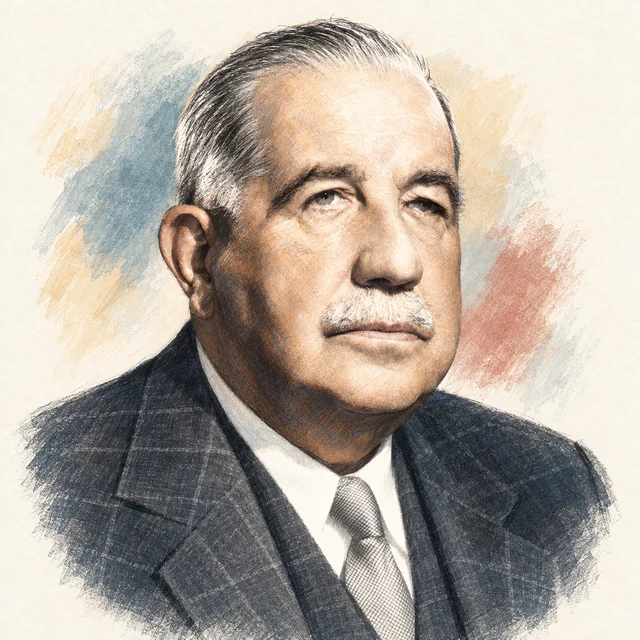
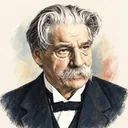
Illustrated portrait of Léon Jouhaux

Léon Jouhaux

Prize share · 1

Jouhaux linked workers’ rights, social justice, disarmament and cooperation across national borders to the pursuit of peace. He received the full Peace Prize.

Read the biography ↗

03 · Years in the making

The path here

  1. 1909

    Jouhaux becomes CGT general secretary.

  2. 1911

    Cross-border union contacts seek to oppose war.

  3. 1919

    He participates in creating the ILO and joins its Governing Body.

  4. 1936

    He supports collective agreements, paid leave and the forty-hour week.

  5. 1947

    He becomes Economic Council president and leaves the CGT in its split.

  6. 1948

    Force Ouvrière holds its founding congress in April.

  7. 1951

    Jouhaux receives the Peace Prize.

04 · Read further

From the original sources

Original explanations by Curionode, based on the official records below. Biographical details and affiliations refer to the award year.

  1. Official award summary nobelprize.org
  2. Award ceremony speech nobelprize.org
  3. ILO: Jouhaux and social reforms ilo.org
  4. Force Ouvrière: the 1947 split and 1948 founding force-ouvriere.fr
  5. Official biography: Léon Jouhaux nobelprize.org