c.curionodeThe Nobel Archive

1951 · Physics

Accelerated particles can change nuclei

Cockcroft and Walton used artificially accelerated protons to transform lithium, opening a new route to studying nuclear reactions.

Particle accelerationNuclear transmutationExperimental control
1951Physics

Visual guide

The prize, pictured

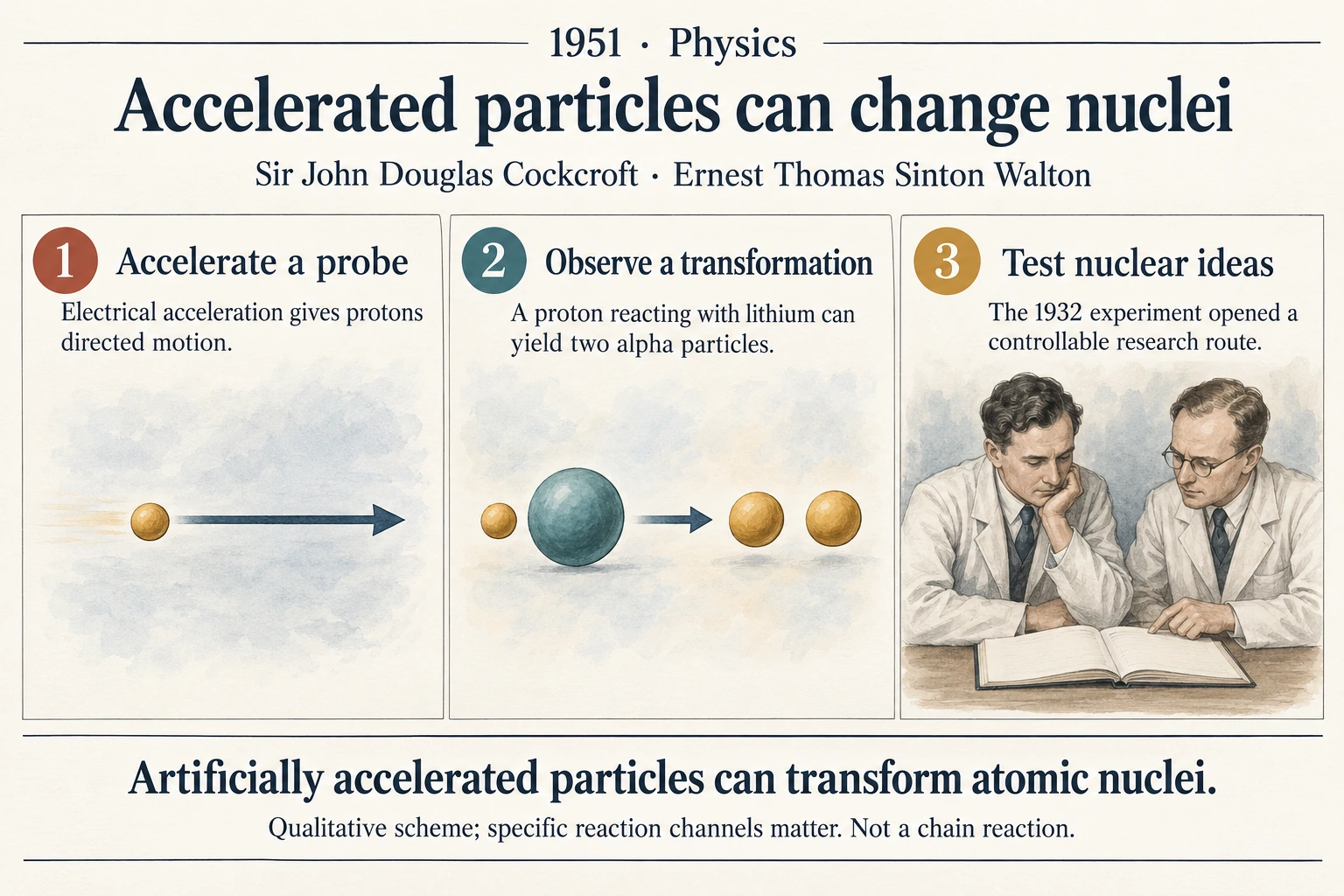
Infographic explaining Accelerated particles can change nuclei
Original AI-generated infographic. A conceptual overview; the explanations and sources below provide context.
Read the poster text

Artificially accelerated particles can transform atomic nuclei.

  1. Accelerate a probe

    Electrical acceleration gives protons directed motion.

  2. Observe a transformation

    A proton reacting with lithium can yield two alpha particles.

  3. Test nuclear ideas

    The 1932 experiment opened a controllable research route.

Qualitative scheme; specific reaction channels matter. Not a chain reaction.

01 · The discovery

The idea, in everyday language

Rutherford had already shown nuclear transmutation using particles emitted by radioactive matter. Could an electrical accelerator make particles that would bring about such changes under experimental control? Cockcroft and Walton developed an accelerator at Cambridge and in 1932 observed alpha particles from lithium bombarded by protons.

In an important reaction, a proton and a lithium nucleus give rise to two helium nuclei, or alpha particles. This changes nuclei and chemical identity, rather than merely rearranging electrons in a chemical bond. The energy released is accounted for by the difference between initial and final rest masses, with total mass-energy conserved. Quantum tunnelling helps explain why reactions can occur below a simple classical barrier estimate.

Why it matters

Artificial acceleration widened experimental nuclear physics and the study of nuclear transformations. Cockcroft and Walton shared the prize equally. Their 1932 work took place at Cambridge; their 1951 affiliations were Harwell and Trinity College Dublin respectively.
02 · The people

Who brought the idea to life?

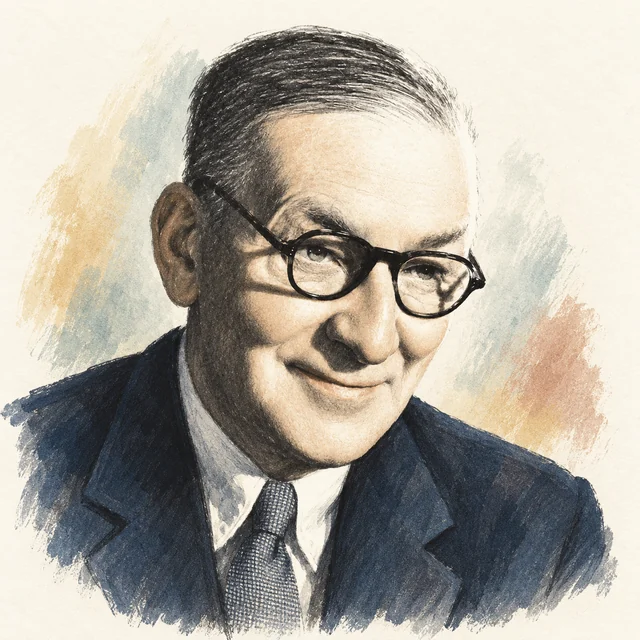
Illustrated portrait of Sir John Douglas Cockcroft

Sir John Douglas Cockcroft

Prize share · 1/2

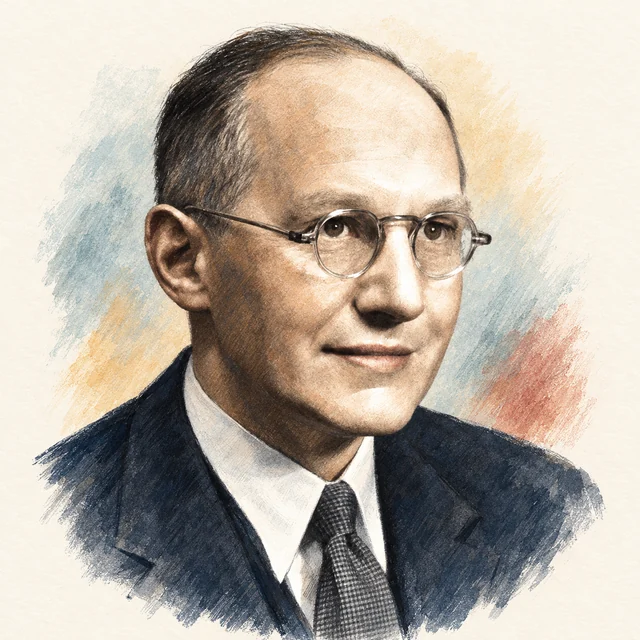
Cockcroft and Walton pioneered nuclear transmutation using artificially accelerated particles. Their shared Cambridge experiment produced alpha particles from lithium; Cockcroft received one half of the prize.

Read the biography ↗

03 · Years in the making

The path here

  1. 1924

    Cockcroft completes the Cambridge Mathematical Tripos.

  2. 1927

    Walton begins research at Cambridge.

  3. 1931

    Walton completes his doctorate.

  4. 1932

    Their accelerator experiment demonstrates lithium transmutation.

  5. 1934

    Walton returns to Trinity College Dublin.

  6. 1946

    Cockcroft becomes Harwell director; Walton becomes Erasmus Smith’s Professor.

  7. 1951

    They share the Physics Prize equally.

04 · Read further

From the original sources

Original explanations by Curionode, based on the official records below. Biographical details and affiliations refer to the award year.

  1. Official award summary nobelprize.org
  2. Award ceremony speech nobelprize.org
  3. Official biography: Sir John Douglas Cockcroft nobelprize.org
  4. Official biography: Ernest Thomas Sinton Walton nobelprize.org