c.curionodeThe Nobel Archive

1955 · Physics

Two small discrepancies reshape quantum theory

Lamb measured a separation between hydrogen energy states; Kusch measured a small anomaly in electron magnetism. Their independent experiments helped test quantum electrodynamics.

Hydrogen spectroscopyElectron magnetismQuantum electrodynamics
1955Physics

Visual guide

The prize, pictured

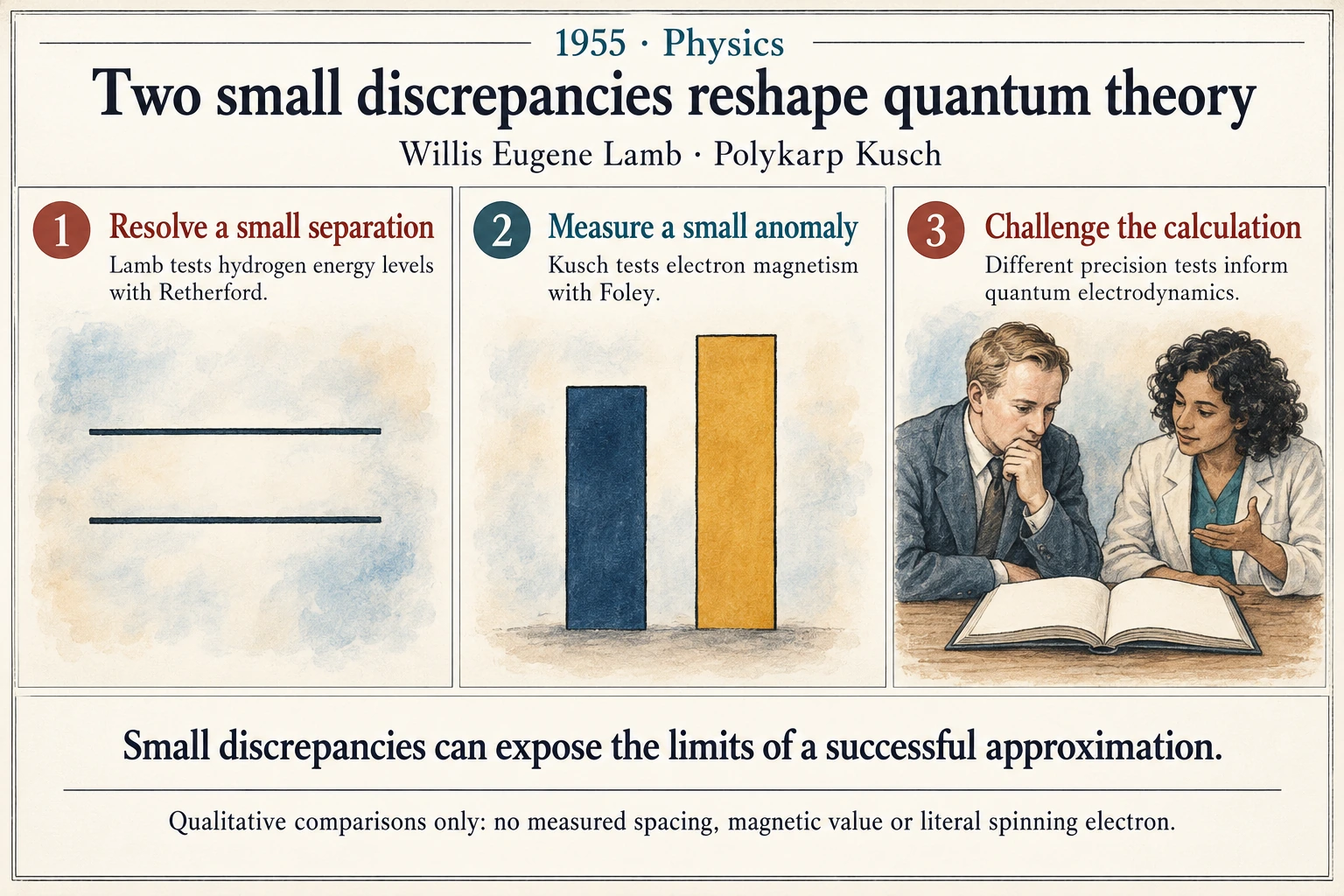
Infographic explaining Two small discrepancies reshape quantum theory
Original AI-generated infographic. A conceptual overview; the explanations and sources below provide context.
Read the poster text

Small discrepancies can expose the limits of a successful approximation.

  1. Resolve a small separation

    Lamb tests hydrogen energy levels with Retherford.

  2. Measure a small anomaly

    Kusch tests electron magnetism with Foley.

  3. Challenge the calculation

    Different precision tests inform quantum electrodynamics.

Qualitative comparisons only: no measured spacing, magnetic value or literal spinning electron.

01 · The discovery

The idea, in everyday language

How accurately did the existing quantum description match atoms? With Robert C. Retherford, Lamb used microwave methods to investigate hydrogen. Their August 1947 report established that two states expected to coincide in the earlier Dirac description actually had slightly different energies. The Lamb shift became a demanding test for a theory including the interaction of matter with the electromagnetic field.

In a separate Columbia programme, Kusch worked with H. M. Foley on precision atomic magnetic measurements. Their December 1947 report and 1948 follow-up established a small departure of the electron’s magnetic moment from the earlier prediction. Lamb and Kusch each received one half of the 1955 prize for distinct measurements, rather than a single joint experiment. Experimental collaborators and developments in quantum electrodynamics were part of the wider achievement.

Why it matters

The small discrepancies mattered because they provided quantitative tests for developing quantum electrodynamics. They helped connect increasingly precise experiments with calculations of electromagnetic interactions. A small effect can challenge a successful approximation without making all its earlier results useless.
02 · The people

Who brought the idea to life?

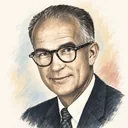
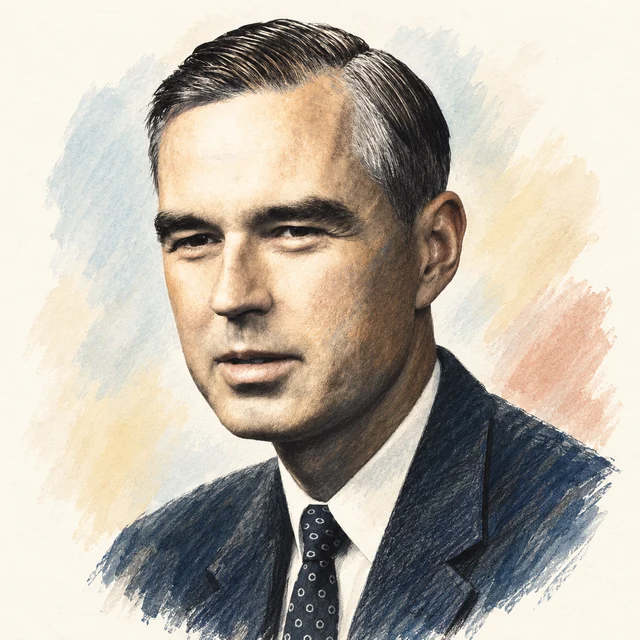
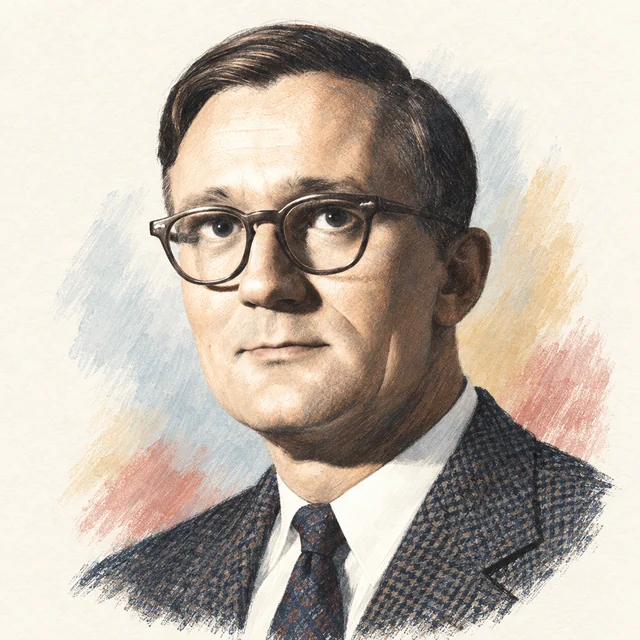
Illustrated portrait of Willis Eugene Lamb

Willis Eugene Lamb

Prize share · 1/2

Lamb established the small separation between hydrogen energy states previously expected to coincide, working experimentally with Retherford. He received one half of the Physics Prize.

Read the biography ↗
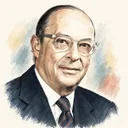
Illustrated portrait of Polykarp Kusch

Polykarp Kusch

Prize share · 1/2

Kusch determined the electron’s magnetic moment with high precision, with Foley contributing to the experiments, and established its small anomaly relative to the earlier prediction. He received one half of the Physics Prize.

Read the biography ↗

03 · Years in the making

The path here

  1. 1913

    Lamb is born in Los Angeles.

  2. 1936

    Kusch completes his Illinois doctorate.

  3. 1938

    Lamb completes his Berkeley doctorate and joins Columbia.

  4. 1947-08

    Lamb and Retherford publish their hydrogen fine-structure report.

  5. 1947-12

    Kusch and Foley publish their precision atomic magnetic report.

  6. 1948

    Kusch and Foley publish further work on electron magnetism.

  7. 1951

    Lamb moves to Stanford.

  8. 1955

    Lamb and Kusch each receive one half of the Physics Prize.

04 · Read further

From the original sources

Original explanations by Curionode, based on the official records below. Biographical details and affiliations refer to the award year.

  1. Official award summary nobelprize.org
  2. Award ceremony speech nobelprize.org
  3. Original Lamb–Retherford publication journals.aps.org
  4. Original Kusch–Foley 1947 publication journals.aps.org
  5. Original Kusch–Foley 1948 publication journals.aps.org
  6. Official biography: Willis Eugene Lamb nobelprize.org
  7. Official biography: Polykarp Kusch nobelprize.org