c.curionodeThe Nobel Archive

1956 · Physics

Controlling a signal with a semiconductor

Semiconductor research made the transistor effect possible, opening a smaller way to amplify and control electrical signals.

Transistor effectSemiconductorsSignal amplification
1956Physics

Visual guide

The prize, pictured

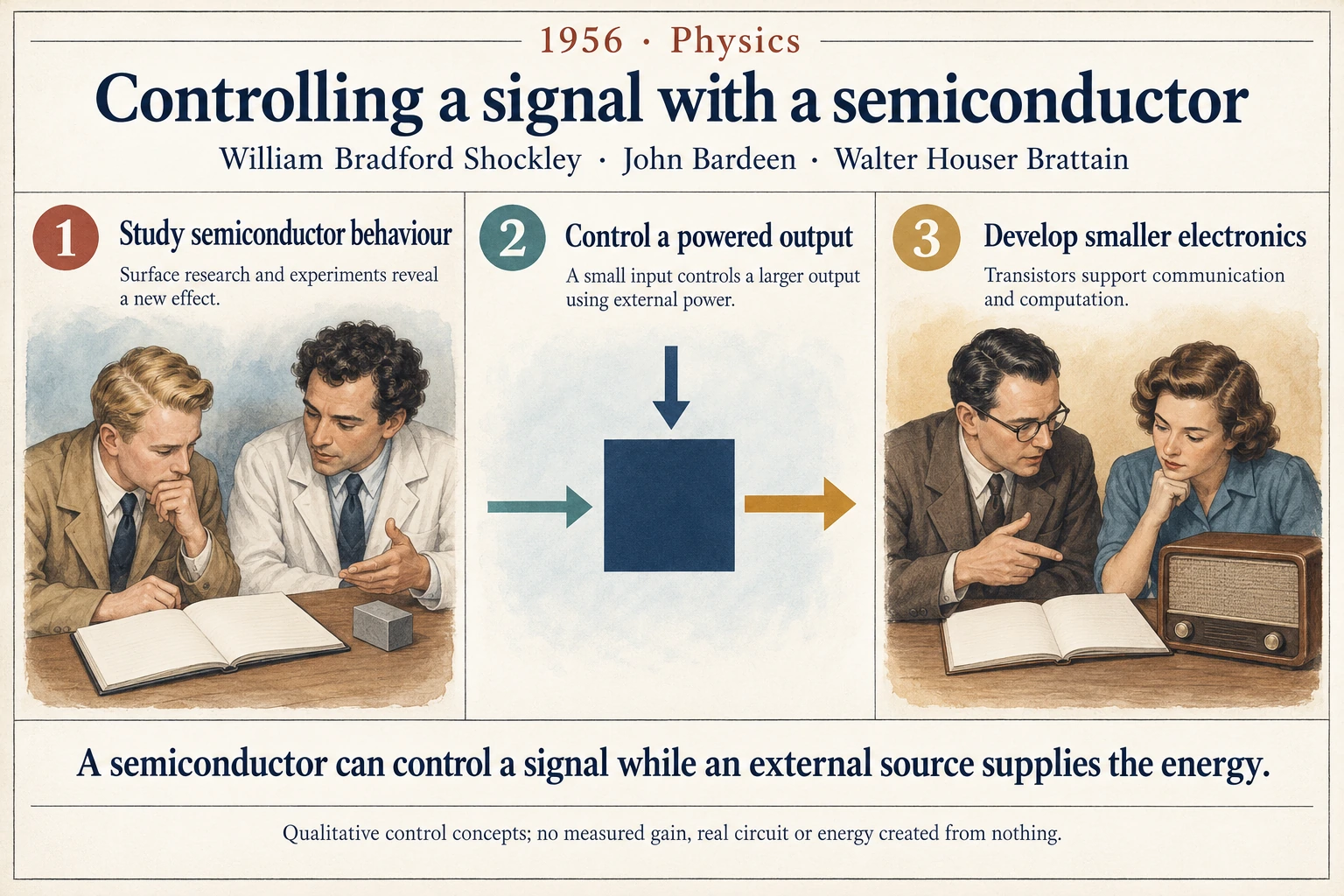
Infographic explaining Controlling a signal with a semiconductor
Original AI-generated infographic. A conceptual overview; the explanations and sources below provide context.
Read the poster text

A semiconductor can control a signal while an external source supplies the energy.

  1. Study semiconductor behaviour

    Surface research and experiments reveal a new effect.

  2. Control a powered output

    A small input controls a larger output using external power.

  3. Develop smaller electronics

    Transistors support communication and computation.

Qualitative control concepts; no measured gain, real circuit or energy created from nothing.

01 · The discovery

The idea, in everyday language

Telephones and radios needed amplification, but vacuum-tube amplifiers required heated filaments and relatively bulky components. Semiconductor materials offered another possibility, yet understanding and controlling their surfaces and charge carriers presented difficult experimental and theoretical problems.

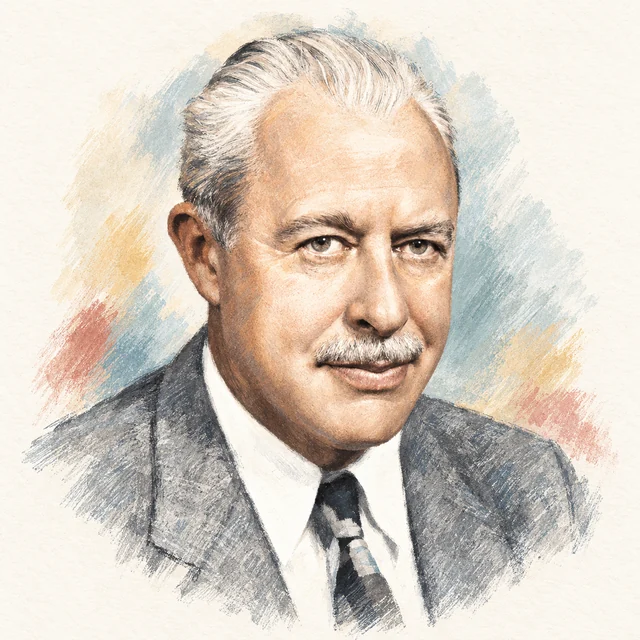
At Bell Labs, Bardeen’s investigation of semiconductor surfaces and Brattain’s experiments led to the point-contact transistor in 1947. A small input could influence a larger output in a powered device. Shockley led the semiconductor programme, developed the junction-transistor approach and advanced the theoretical understanding of electrons and holes. Their work on semiconductors and discovery of the transistor effect earned equal thirds of the 1956 prize.

Why it matters

Transistors helped reduce the size and power requirements of electronic systems, supporting communications and computation. Later integrated circuits and manufacturing advances greatly extended the possibilities. The three laureates had different roles and affiliations at the award: Shockley at Beckman’s Semiconductor Laboratory, Bardeen at Illinois and Brattain at Bell Labs. Bardeen’s later superconductivity award concerns another achievement.
02 · The people

Who brought the idea to life?

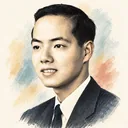
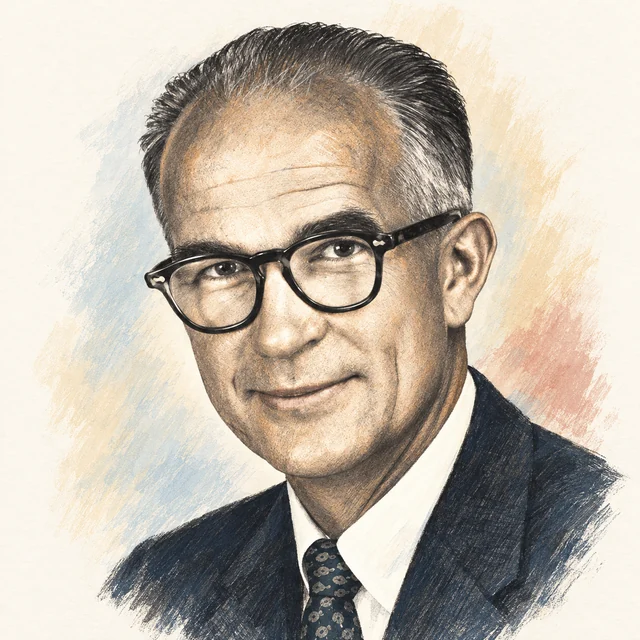
Illustrated portrait of John Bardeen

John Bardeen

Prize share · 1/3

Bardeen’s investigation of semiconductor surfaces and collaboration with Brattain led to the point-contact transistor. He received one third of the 1956 Physics Prize, distinct from his 1972 superconductivity award.

Read the biography ↗
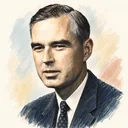
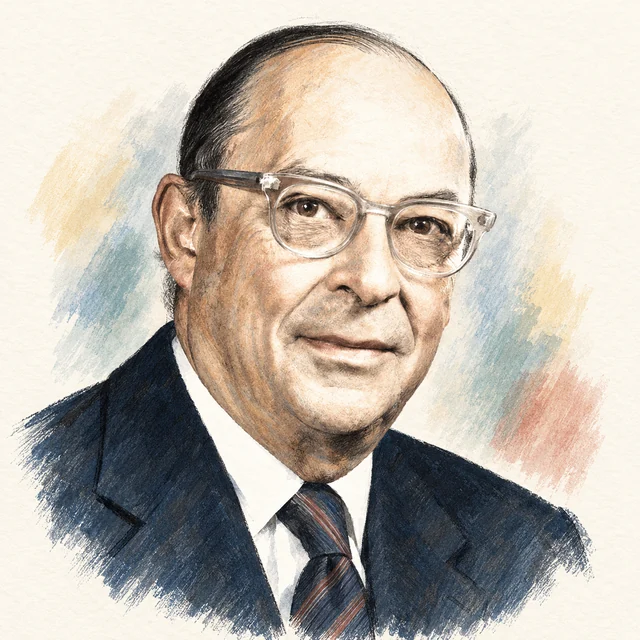
Illustrated portrait of Walter Houser Brattain

Walter Houser Brattain

Prize share · 1/3

Brattain supplied the experimental work that, with Bardeen, produced the point-contact transistor and clarified semiconductor surface behaviour. He received one third of the Physics Prize.

Read the biography ↗

03 · Years in the making

The path here

  1. 1924–1929

    Brattain completes Whitman, Oregon and Minnesota degrees.

  2. 1928

    Bardeen graduates in electrical engineering at Wisconsin.

  3. 1932

    Shockley graduates at Caltech.

  4. 1936

    Shockley completes his MIT doctorate and joins Bell Labs; Bardeen completes his Princeton doctorate.

  5. 1945

    Bardeen joins the postwar Bell Labs research group.

  6. 1947

    Bardeen and Brattain produce the point-contact transistor.

  7. 1949

    Bardeen and Brattain publish transistor principles; Shockley publishes junction theory.

  8. 1951

    Bardeen moves to Illinois.

  9. 1956

    The three receive equal thirds of the Physics Prize.

  10. 1957

    Later: Bardeen, Cooper and Schrieffer develop BCS superconductivity theory.

  11. 1972

    Later: Bardeen shares a separate Physics Prize for superconductivity.

04 · Read further

From the original sources

Original explanations by Curionode, based on the official records below. Biographical details and affiliations refer to the award year.

  1. Official award summary nobelprize.org
  2. Award ceremony speech nobelprize.org
  3. Bell Labs transistor history nokia.com
  4. Original transistor principles publication nokia.com
  5. Bell Labs semiconductor publication archive nokia.com
  6. Later Stanford account: Shockley’s racial pseudoscience history.stanford.edu
  7. Official biography: William Bradford Shockley nobelprize.org
  8. Official biography: John Bardeen nobelprize.org
  9. Official biography: Walter Houser Brattain nobelprize.org