01 · The discovery
The idea, in everyday language
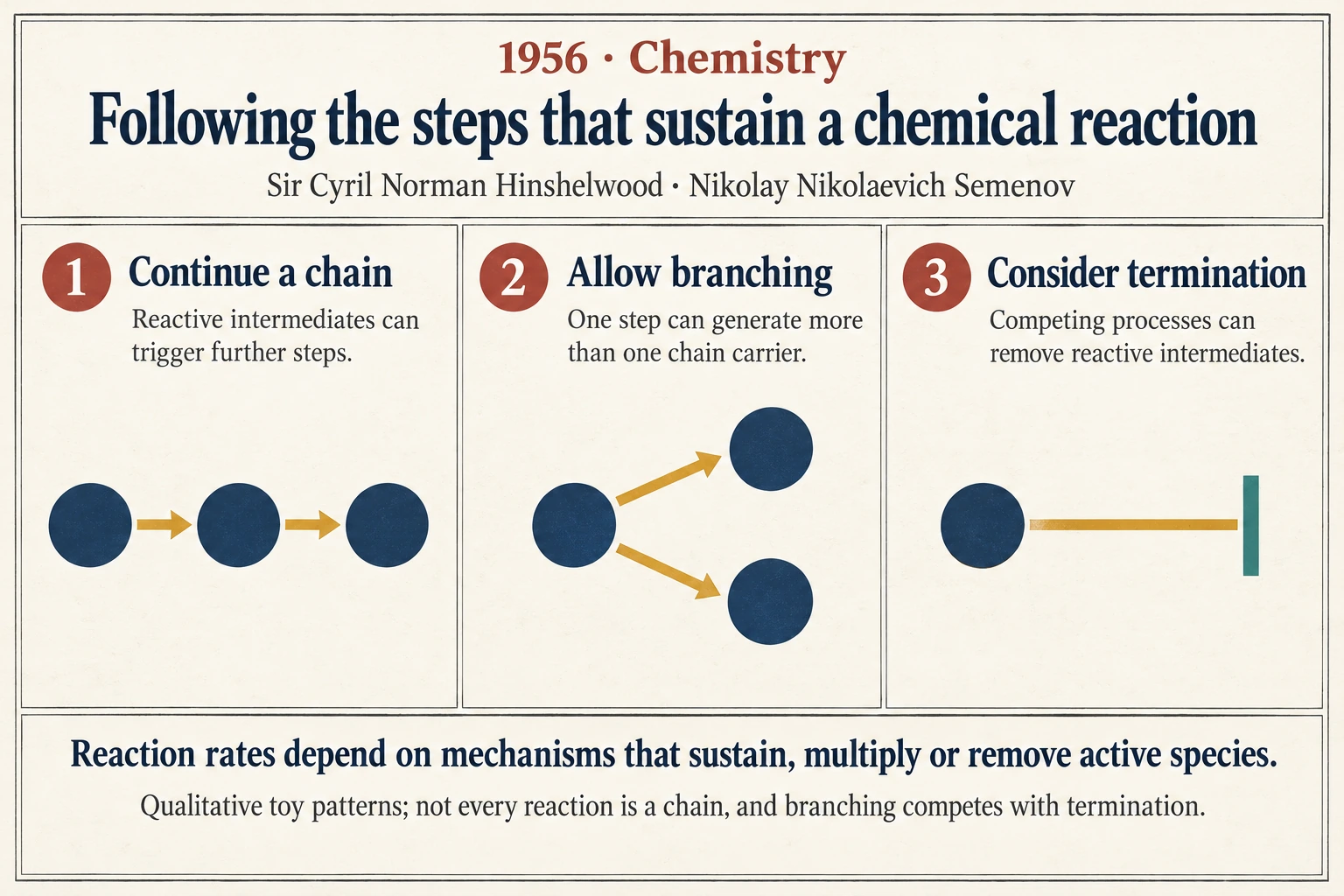
A chemical equation can show starting substances and products without explaining the events in between or the reaction’s rate. Some reactions proceed through reactive intermediates that trigger further steps. Researchers needed to understand how such chains continue and why behaviour changes with conditions.
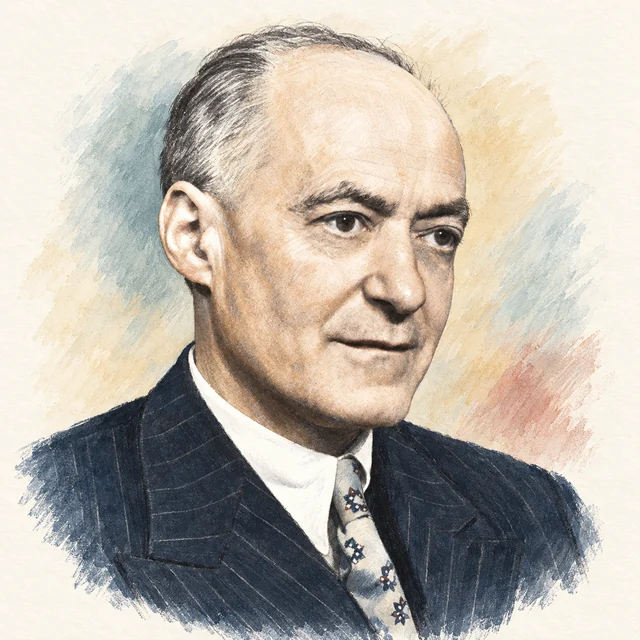
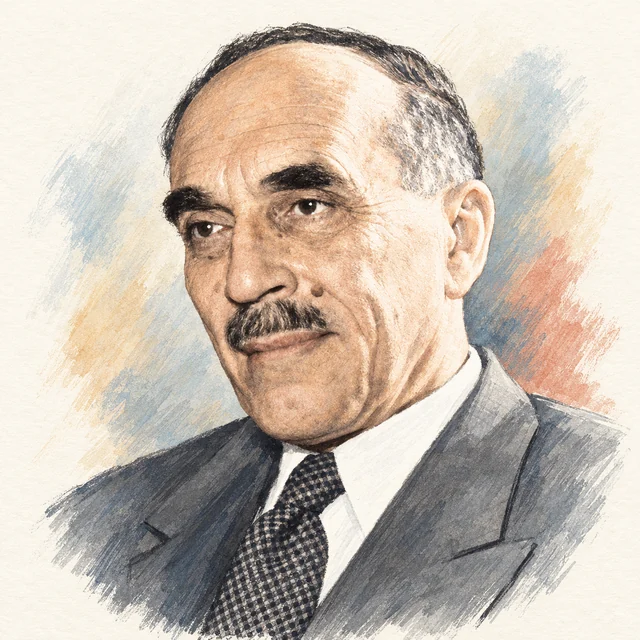
Hinshelwood and Semenov combined kinetic measurements with theoretical interpretation. Their groups investigated gas reactions and the competition between processes that sustain or remove reactive intermediates. Semenov developed the analysis of branching and induction periods; Hinshelwood also established the coexistence of chain and other mechanisms. Their work explained important features of oxidation and combustion without reducing all reactions to one pathway.
Why it matters
The research strengthened chemical kinetics and connected reaction mechanisms with experimental behaviour and practical questions in combustion. Hinshelwood and Semenov each received half of the 1956 prize. Their work built on earlier ideas from researchers including Bodenstein, Christiansen and Kramers, and on the experiments of their own groups.