c.curionodeThe Nobel Archive

1960 · Physiology or Medicine

Discovering acquired immune tolerance

A specific immune response could change through early experience, opening a new way to study graft rejection.

Acquired toleranceTransplantation immunitySpecific responses
1960Physiology or Medicine

Visual guide

The prize, pictured

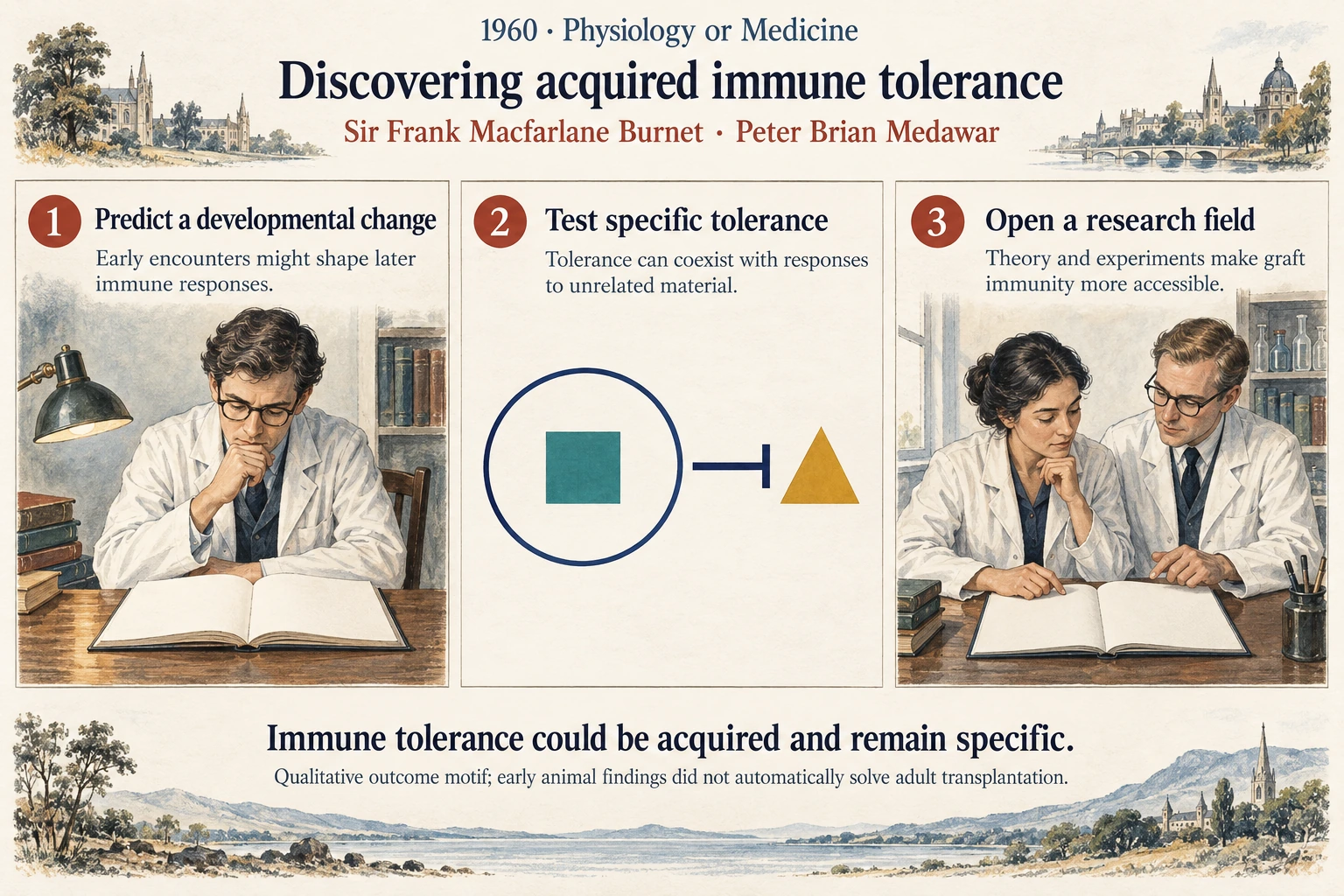
Infographic explaining Discovering acquired immune tolerance
Original AI-generated infographic. A conceptual overview; the explanations and sources below provide context.
Read the poster text

Immune tolerance could be acquired and remain specific.

  1. Predict a developmental change

    Early encounters might shape later immune responses.

  2. Test specific tolerance

    Tolerance can coexist with responses to unrelated material.

  3. Open a research field

    Theory and experiments make graft immunity more accessible.

Qualitative outcome motif; early animal findings did not automatically solve adult transplantation.

01 · The discovery

The idea, in everyday language

Why does tissue from another individual often fail to survive as a graft? Medawar’s earlier work identified rejection as an immune response, but the acceptance of grafts between cattle twins suggested that inherited similarity was not the whole explanation.

Owen observed blood-cell chimerism in cattle twins. Burnet and Fenner proposed in 1949 that contact during immune development could lead to tolerance. Medawar, Billingham and Brent then showed experimentally that early exposure to donor-related cells could permit later acceptance of related grafts. Their 1953 report and 1956 studies established an acquired, specific phenomenon.

Why it matters

The discovery made immune tolerance a subject of direct experimental investigation and clarified an important barrier to transplantation. Burnet contributed theoretical reasoning; Medawar’s team supplied experimental evidence. Each laureate received one half, while Fenner, Owen, Billingham, Brent and others were essential to the history.
02 · The people

Who brought the idea to life?

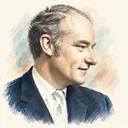
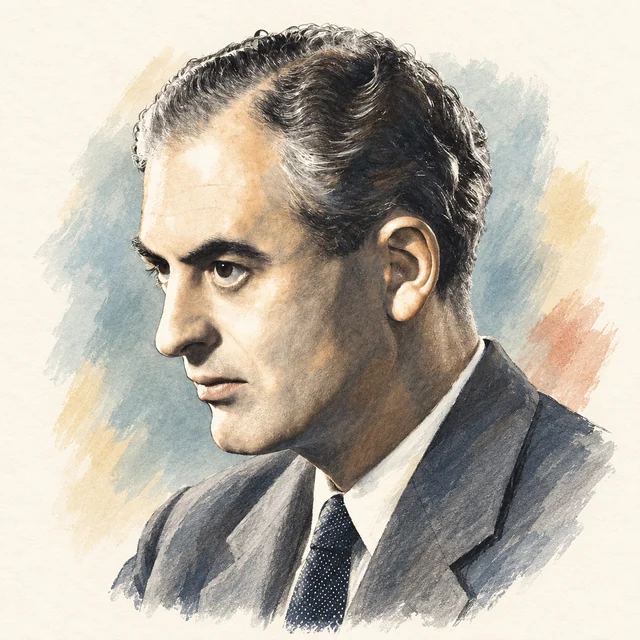
Illustrated portrait of Peter Brian Medawar

Peter Brian Medawar

Prize share · 1/2

Medawar, Billingham and Brent experimentally established acquired, donor-specific transplantation tolerance. Medawar received half of the Medicine Prize.

Read the biography ↗

03 · Years in the making

The path here

  1. 1944

    Burnet becomes director of the Hall Institute.

  2. 1945

    Owen reports blood-cell chimerism in cattle twins.

  3. 1947

    Medawar becomes professor at Birmingham.

  4. 1949

    Burnet and Fenner publish their tolerance prediction.

  5. 1951

    Medawar moves to UCL.

  6. 1953

    Billingham, Brent and Medawar report acquired tolerance.

  7. 1956

    They publish fuller studies.

  8. 1960

    Burnet and Medawar share the prize equally.

04 · Read further

From the original sources

Original explanations by Curionode, based on the official records below. Biographical details and affiliations refer to the award year.

  1. Official award summary nobelprize.org
  2. Award ceremony speech nobelprize.org
  3. WEHI immune tolerance history wehi.edu.au
  4. Original acquired tolerance publication metadata nature.com
  5. Brent’s historical recollection pmc.ncbi.nlm.nih.gov
  6. Fenner’s Academy memoir of Burnet asap.unimelb.edu.au
  7. Official biography: Sir Frank Macfarlane Burnet nobelprize.org
  8. Official biography: Peter Brian Medawar nobelprize.org

More in Physiology or Medicine

Browse this subject ↗