c.curionodeThe Nobel Archive

1964 · Physiology or Medicine

Tracing the pathways of lipid metabolism

Bloch and Lynen clarified how cells form and transform cholesterol and fatty acids, and how these processes are regulated.

Lipid metabolismIsotope tracingEnzyme regulation
1964Physiology or Medicine

Visual guide

The prize, pictured

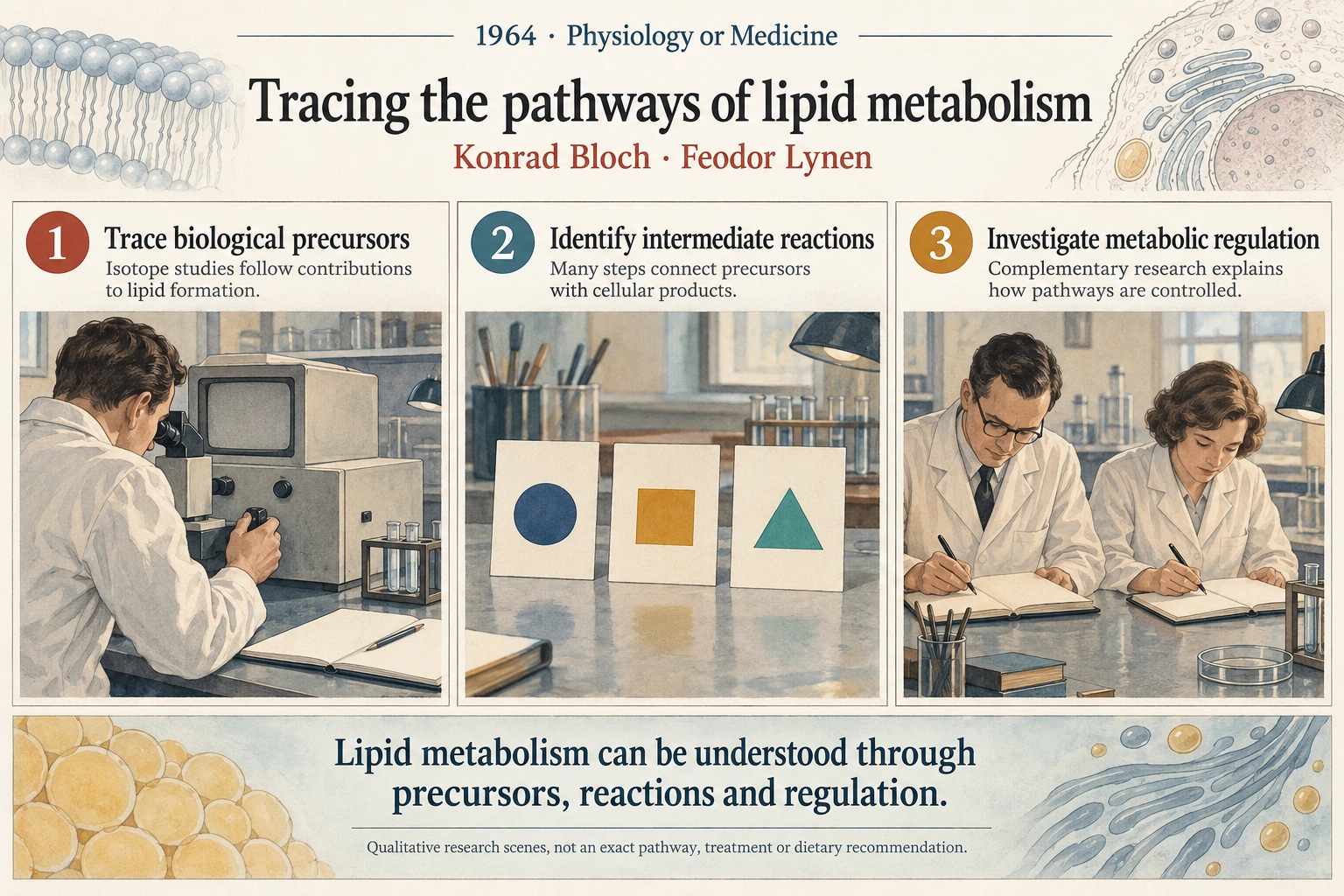
Infographic explaining Tracing the pathways of lipid metabolism
Original AI-generated infographic. A conceptual overview; the explanations and sources below provide context.
Read the poster text

Lipid metabolism can be understood through precursors, reactions and regulation.

  1. Trace biological precursors

    Isotope studies follow contributions to lipid formation.

  2. Identify intermediate reactions

    Many steps connect precursors with cellular products.

  3. Investigate metabolic regulation

    Complementary research explains how pathways are controlled.

Qualitative research scenes, not an exact pathway, treatment or dietary recommendation.

01 · The discovery

The idea, in everyday language

Cholesterol and fatty acids are important cellular substances. Understanding them requires more than knowing their final structures: researchers needed to identify precursors, intermediate reactions and mechanisms controlling formation and breakdown.

Bloch and colleagues used isotope tracing to follow the incorporation of small precursors into cholesterol through a multistep pathway. Work with Rittenberg began in 1942. Lynen investigated activated intermediates, enzyme mechanisms and metabolic regulation. Their complementary programmes, alongside researchers such as Popjak, Cornforth and Folkers, connected chemical transformations into biological pathways.

Why it matters

The discoveries provided a biochemical foundation for studying lipid metabolism and its disturbances. Each laureate received one half of the prize. The 1964 ceremony anticipated future therapies; those hopes are distinct from treatments already demonstrated by the awarded research.
02 · The people

Who brought the idea to life?

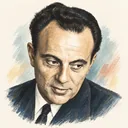
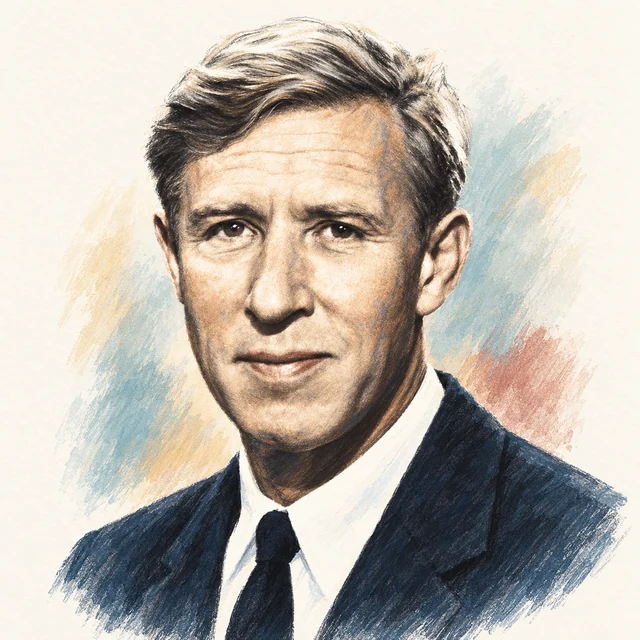
Illustrated portrait of Konrad Bloch

Konrad Bloch

Prize share · 1/2

Bloch traced steps and precursors in cholesterol biosynthesis with colleagues. He received one half of the Medicine Prize.

Read the biography ↗
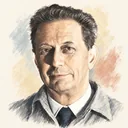
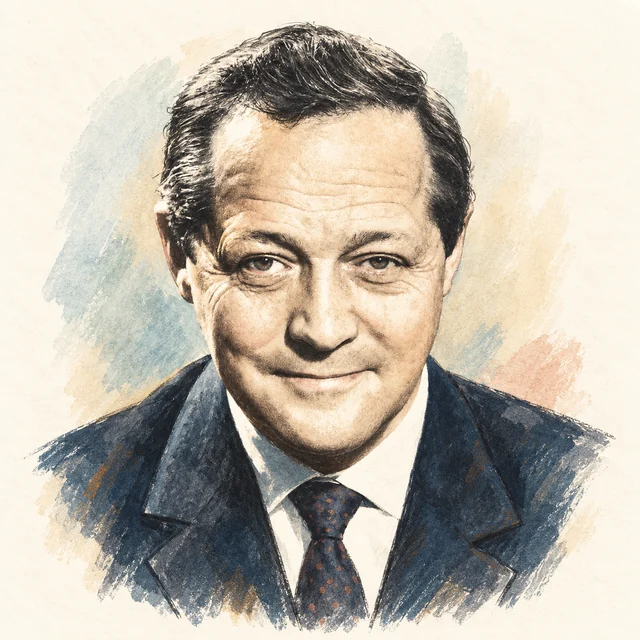
Illustrated portrait of Feodor Lynen

Feodor Lynen

Prize share · 1/2

Lynen elucidated activated intermediates, enzyme mechanisms and regulation in lipid metabolism. He received one half of the Medicine Prize.

Read the biography ↗

03 · Years in the making

The path here

  1. 1937

    Lynen completes his doctorate in Munich.

  2. 1938

    Bloch completes his Columbia doctorate.

  3. 1942

    Bloch and Rittenberg begin cholesterol-biosynthesis research.

  4. 1946

    Bloch moves to Chicago.

  5. 1954

    Bloch joins Harvard; Lynen heads the new Max Planck institute.

  6. 1964

    They share the Medicine Prize.

04 · Read further

From the original sources

Original explanations by Curionode, based on the official records below. Biographical details and affiliations refer to the award year.

  1. Official award summary nobelprize.org
  2. Award ceremony speech nobelprize.org
  3. Official biography: Konrad Bloch nobelprize.org
  4. Official biography: Feodor Lynen nobelprize.org

More in Physiology or Medicine

Browse this subject ↗