c.curionodeThe Nobel Archive

1965 · Physiology or Medicine

Explaining how cells regulate synthesis

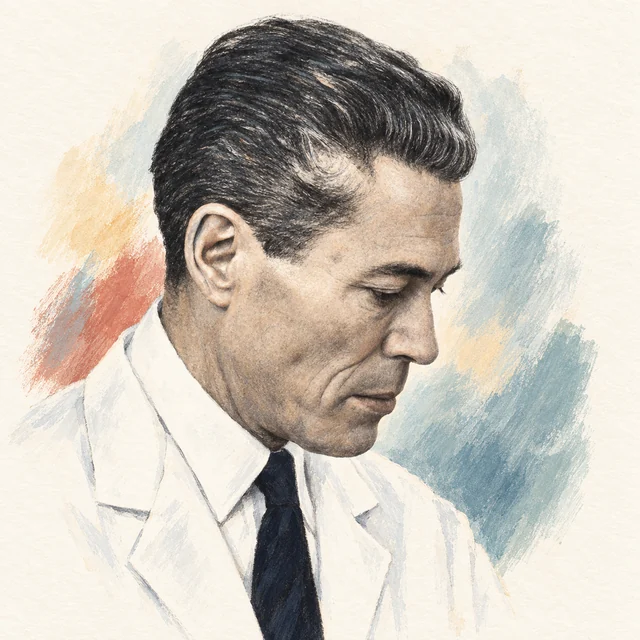
Jacob, Lwoff and Monod showed how genetic control can govern enzyme production and the transition from persistent viral information to virus synthesis.

Gene regulationLysogenyMessenger RNA
1965Physiology or Medicine

Visual guide

The prize, pictured

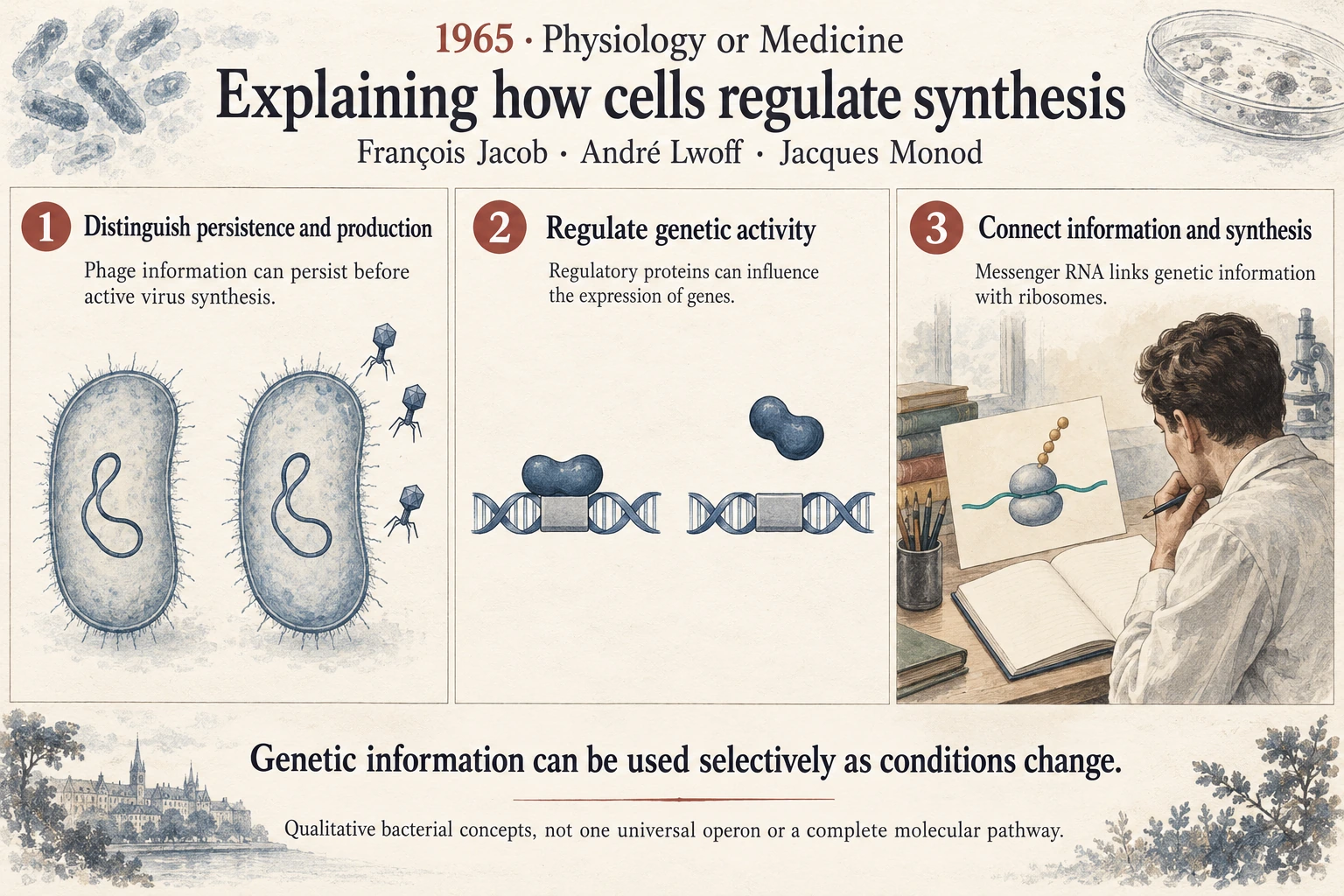
Infographic explaining Explaining how cells regulate synthesis
Original AI-generated infographic. A conceptual overview; the explanations and sources below provide context.
Read the poster text

Genetic information can be used selectively as conditions change.

  1. Distinguish persistence and production

    Phage information can persist before active virus synthesis.

  2. Regulate genetic activity

    Regulatory proteins can influence the expression of genes.

  3. Connect information and synthesis

    Messenger RNA links genetic information with ribosomes.

Qualitative bacterial concepts, not one universal operon or a complete molecular pathway.

01 · The discovery

The idea, in everyday language

A cell carries genetic information, yet its production of enzymes changes with conditions. Some bacteria also carry phage information without continuously releasing viruses. The problem was to understand how genetic activity could be regulated.

Lwoff’s lysogeny studies, including ultraviolet induction with Louis Siminovitch and Niels Kjeldgaard in 1950, distinguished persistent phage information from active production. Jacob and Monod connected bacterial genetics with enzyme induction through regulatory genes, repressors and operons. Messenger RNA provided a link between genetic information and protein synthesis; Brenner, Jacob and Meselson were among the researchers who investigated that link.

Why it matters

The discoveries helped establish molecular explanations of gene regulation and virus synthesis. They connected inherited information with a cell’s response to its environment. Each laureate received one third of the prize. Bacterial systems supplied influential models, while other organisms can use additional mechanisms.
02 · The people

Who brought the idea to life?

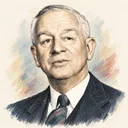
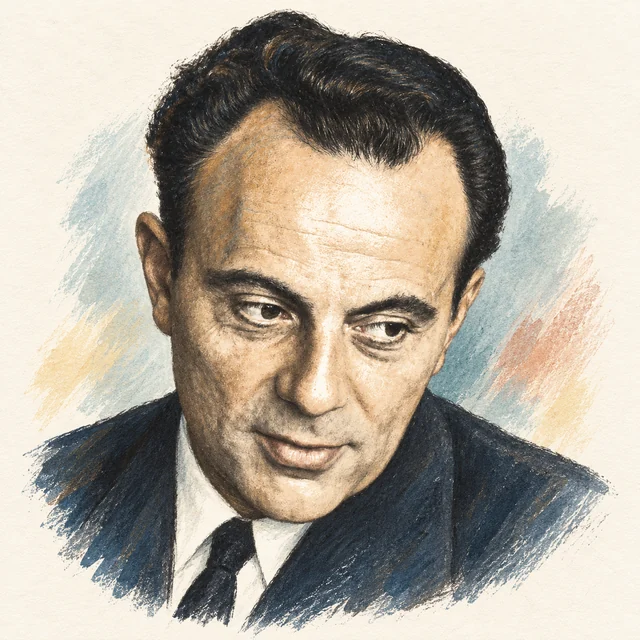
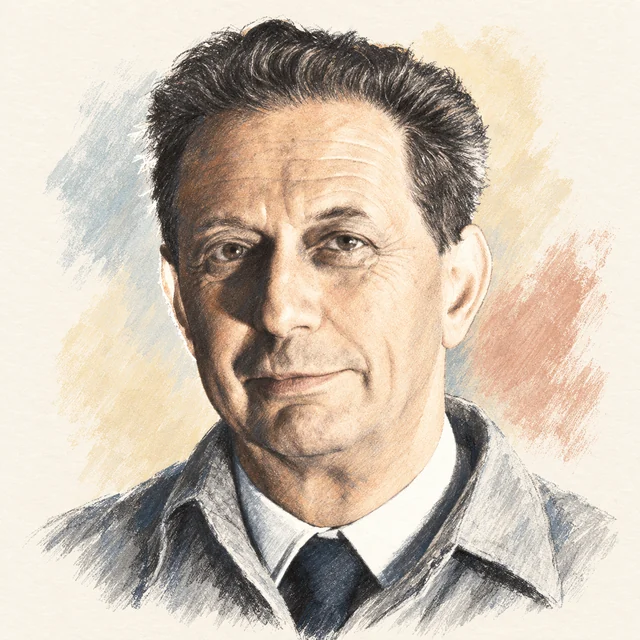
Illustrated portrait of François Jacob

François Jacob

Prize share · 1/3

Jacob investigated bacterial genetics and, with Monod, mechanisms controlling gene expression. He received one third of the Medicine Prize.

Read the biography ↗
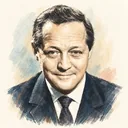
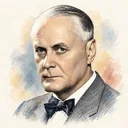
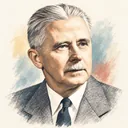
Illustrated portrait of Jacques Monod

Jacques Monod

Prize share · 1/3

Monod investigated enzyme induction and, with Jacob, genetic regulation of protein synthesis. He received one third of the Medicine Prize.

Read the biography ↗

03 · Years in the making

The path here

  1. 1950

    Lwoff, Siminovitch and Kjeldgaard demonstrate phage induction.

  2. 1954

    Jacob receives his science doctorate; Monod heads Cell Biochemistry.

  3. 1958

    Jacob and Monod begin their regulatory collaboration.

  4. 1961

    Their genetic-regulation model and messenger-RNA research are published.

  5. 1965

    The three researchers share the Medicine Prize.

04 · Read further

From the original sources

Original explanations by Curionode, based on the official records below. Biographical details and affiliations refer to the award year.

  1. Official award summary nobelprize.org
  2. Award ceremony speech nobelprize.org
  3. Jacob–Monod original abstract (1961) sciencedirect.com
  4. Brenner–Jacob–Meselson publication metadata (1961) nature.com
  5. NHGRI gene-regulation definition genome.gov
  6. Official biography: François Jacob nobelprize.org
  7. Official biography: André Lwoff nobelprize.org
  8. Official biography: Jacques Monod nobelprize.org

More in Physiology or Medicine

Browse this subject ↗