01 · The discovery
The idea, in everyday language
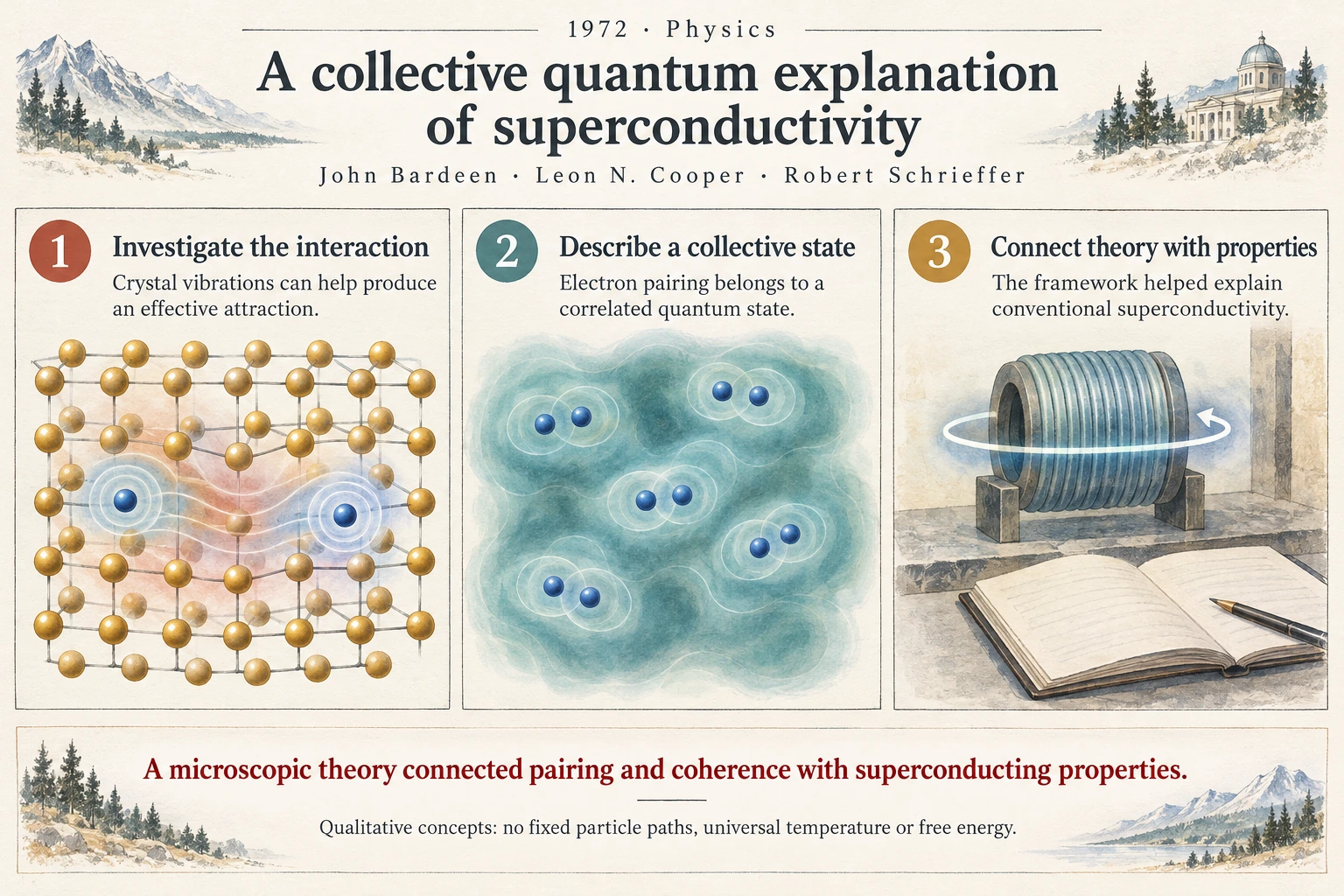
In the lattice-based mechanism described by the 1972 announcement, electron interactions with crystal vibrations can provide an effective attraction. Cooper’s 1956 model showed how a bound pair could arise above a filled Fermi sea. A pair here is a quantum correlation, not two charged balls glued together or a tiny isolated molecule.
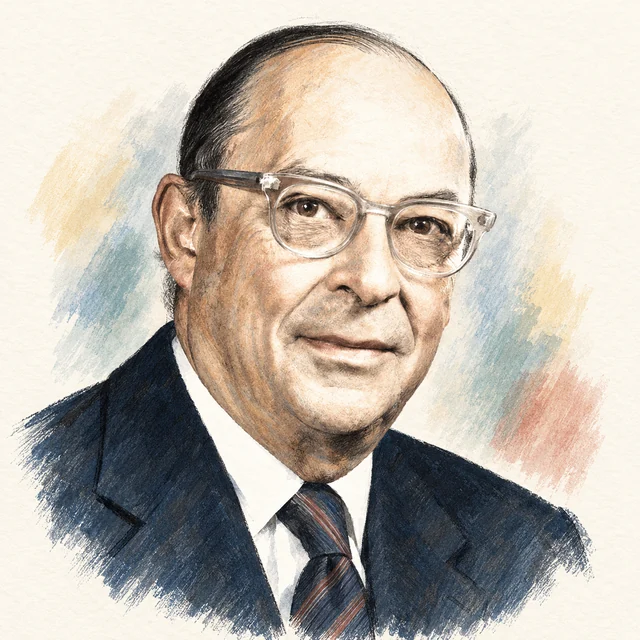
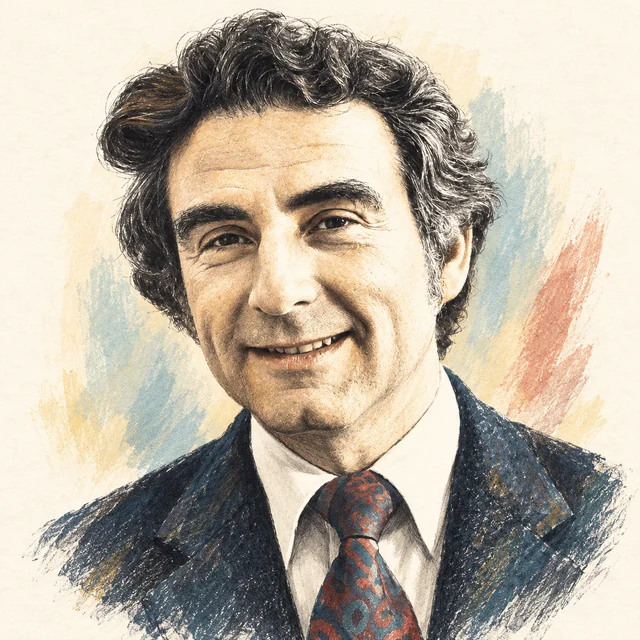
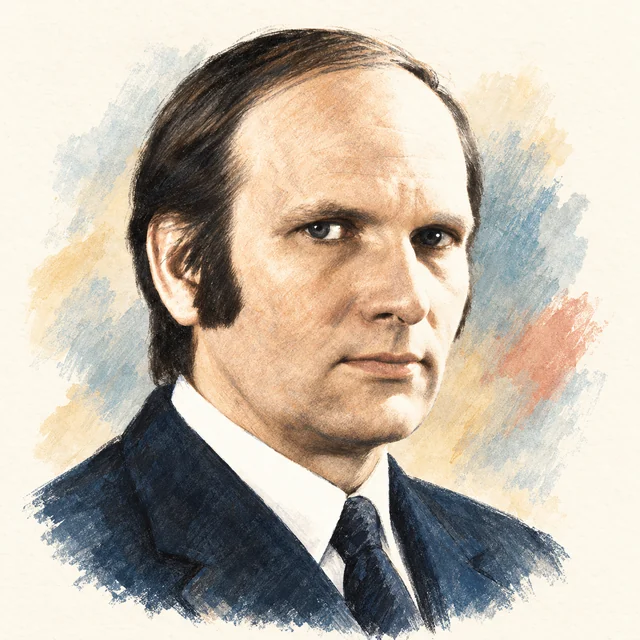
The 1957 BCS theory went beyond one pair to describe a collective state involving many electrons. Pair correlations and coherence helped account for an energy gap and other superconducting properties. Bardeen’s physical investigations, Cooper’s pairing result and Schrieffer’s graduate work contributed to the shared theory. Further work by many researchers extended and tested it.
Why it matters
BCS connected a microscopic model with measured superconducting properties and stimulated research on tunnelling, magnetic flux and Josephson effects. It helped make superconductivity a predictive theoretical subject rather than only a surprising observation.