c.curionodeThe Nobel Archive

1978 · Physics

From cold helium to ancient light

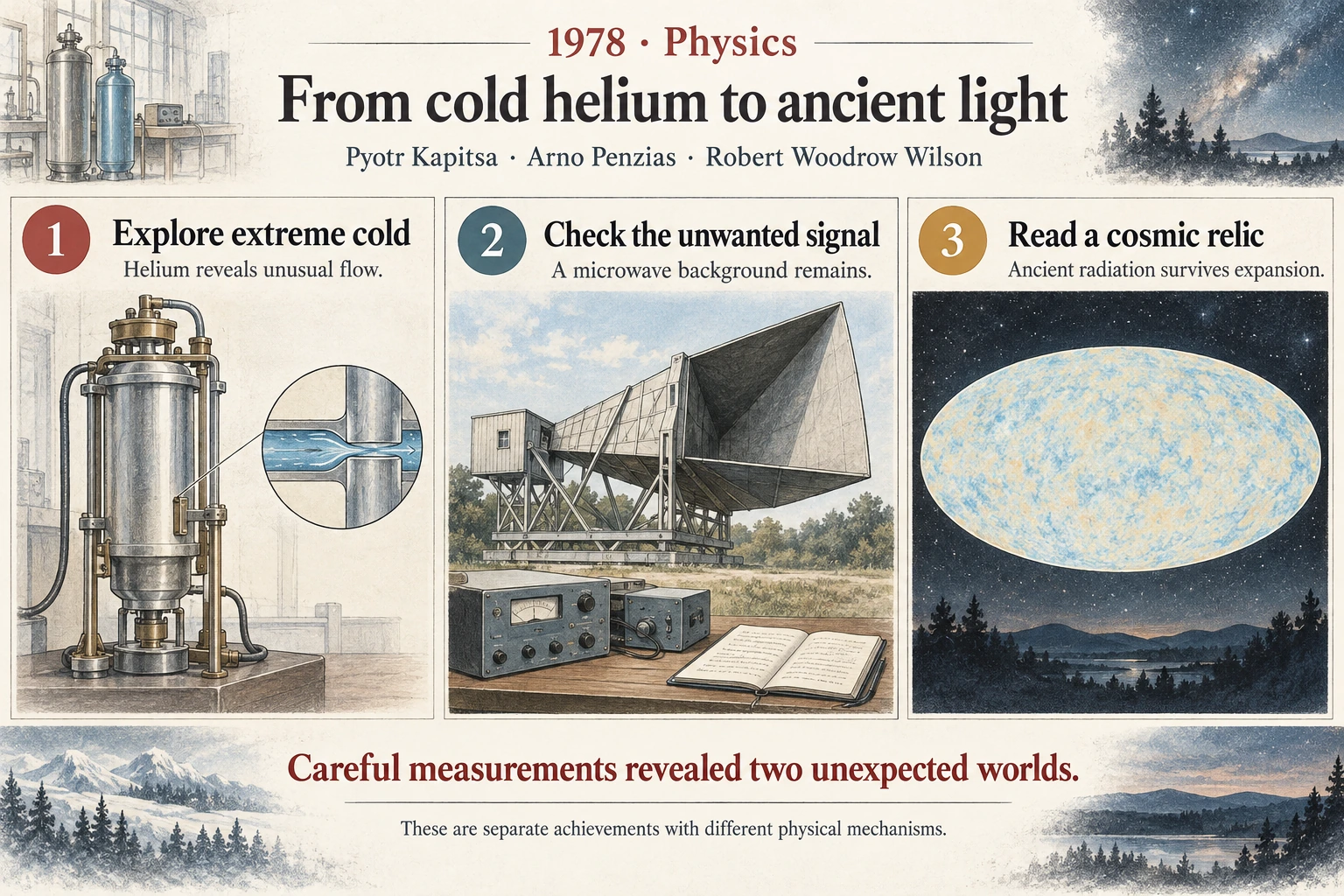
One half of the prize recognised Kapitsa’s low-temperature inventions and discoveries. The other half recognised Penzias and Wilson’s discovery of the cosmic microwave background: two separate routes by which careful experiments revealed unexpected physics.

SuperfluidityCosmic microwave backgroundExperimental physics
1978Physics

Visual guide

The prize, pictured

Infographic explaining From cold helium to ancient light
Original AI-generated infographic. A conceptual overview; the explanations and sources below provide context.
Read the poster text

Careful measurements revealed two unexpected worlds.

  1. Explore extreme cold

    Helium reveals unusual flow.

  2. Check the unwanted signal

    A microwave background remains.

  3. Read a cosmic relic

    Ancient radiation survives expansion.

These are separate achievements with different physical mechanisms.

01 · The discovery

The idea, in everyday language

Producing liquid helium made extreme cold available for experiments. Kapitsa developed new apparatus and investigated helium’s unusual flow. The superfluid behaviour reported in the late 1930s showed that a liquid could exhibit collective quantum properties on a scale visible in the laboratory. This was a new state of behaviour, not simply ordinary fluid becoming thicker as it cooled.

At Bell Laboratories, Penzias and Wilson checked a persistent microwave signal against explanations involving their receiver, antenna, atmosphere and nearby surroundings. The remaining background was nearly the same in different directions. Earlier predictions and cosmological work supplied an interpretation: radiation left from the hot early universe. As the universe expanded, its wavelength stretched. Later experiments measured its spectrum and tiny variations more precisely.

Why it matters

Low-temperature tools opened new experiments on quantum matter. The microwave background supplied powerful evidence for a hot early universe and became a major observational tool in cosmology. Better instruments continued both lines of inquiry after 1978.
02 · The people

Who brought the idea to life?

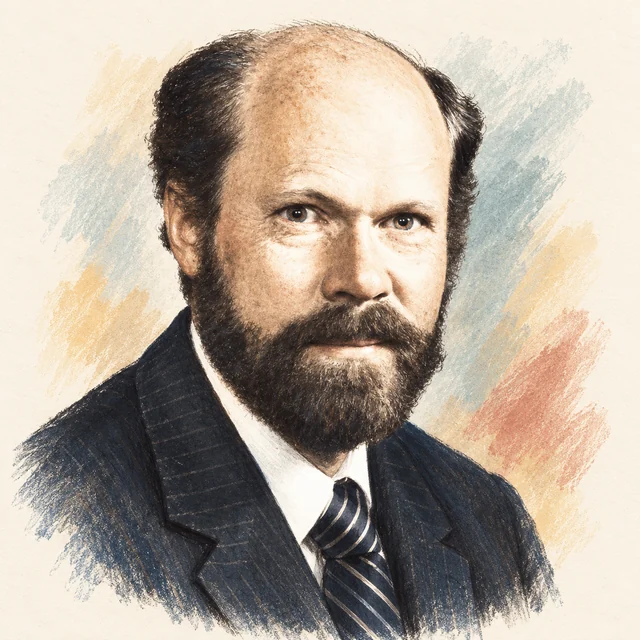
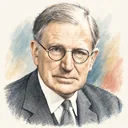
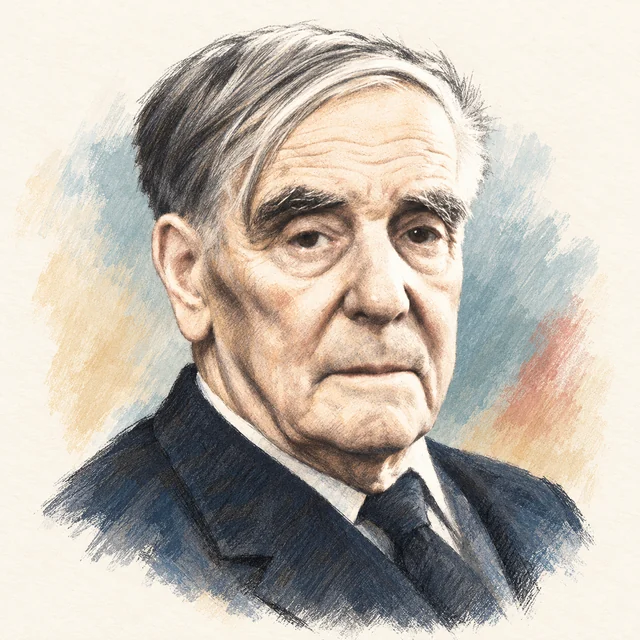
Illustrated portrait of Pyotr Kapitsa

Pyotr Kapitsa

Prize share · 1/2

Kapitsa received one half of the Physics Prize for low-temperature inventions and discoveries, including helium-liquefaction techniques and superfluidity research. Penzias and Wilson shared the other half for a separate discovery in astronomy; this was not one joint experiment.

Read the biography ↗
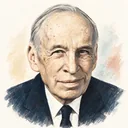
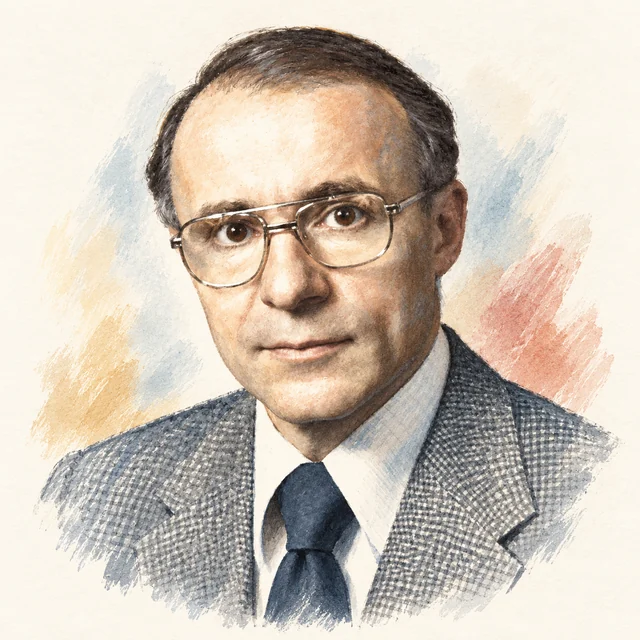
Illustrated portrait of Arno Penzias

Arno Penzias

Prize share · 1/4

Penzias and Wilson identified a persistent, nearly direction-independent microwave background after testing instrumental and local explanations. Each received one quarter of the Physics Prize. Its interpretation as relic radiation drew on earlier cosmological predictions and other researchers’ work.

Read the biography ↗
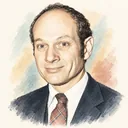
Illustrated portrait of Robert Woodrow Wilson

Robert Woodrow Wilson

Prize share · 1/4

Wilson shared the cosmic microwave background discovery with Penzias and received one quarter of the Physics Prize. Their observations tested unwanted signal sources; subsequent observations established further properties of the radiation, including a precise spectrum and tiny variations.

Read the biography ↗

03 · Years in the making

The path here

  1. 1921

    Kapitsa begins work at Cambridge.

  2. 1934

    His new helium-liquefaction apparatus is developed.

  3. 1938

    Kapitsa and, independently, Allen and Misener publish helium-flow studies.

  4. 1963

    Penzias and Wilson begin work together at Bell Laboratories.

  5. 1964–1965

    Persistent microwave measurements lead to the background discovery.

  6. 1978

    Separate low-temperature and cosmological achievements share the prize.

04 · Read further

From the original sources

Original explanations by Curionode, based on the official records below. Biographical details and affiliations refer to the award year.

  1. Official announcement nobelprize.org
  2. Wilson’s lecture: discovery of the microwave background nobelprize.org
  3. Kapitza Institute: 1938 publication record kapitza.ras.ru
  4. NASA: expansion and the cosmic microwave background science.nasa.gov
  5. NASA: later COBE measurements science.nasa.gov