c.curionodeThe Nobel Archive

1980 · Physics

A rare decay breaks a symmetry

A decay that should have been forbidden appeared in a carefully checked experiment. Neutral kaons showed that charge conjugation and spatial reflection together do not always preserve the laws of weak decay.

CP symmetryNeutral kaonsRare particle decays
1980Physics

Visual guide

The prize, pictured

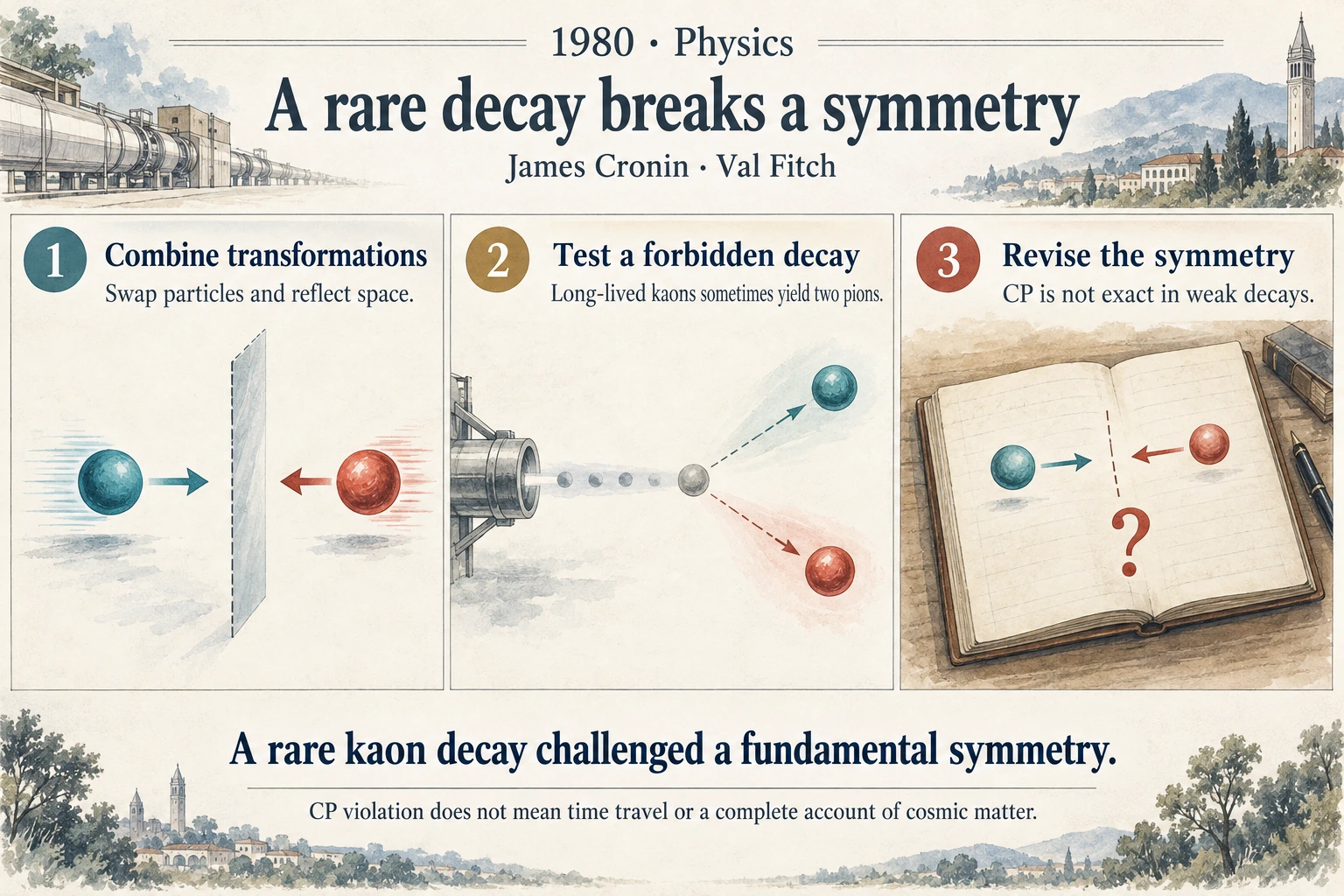
Infographic explaining A rare decay breaks a symmetry
Original AI-generated infographic. A conceptual overview; the explanations and sources below provide context.
Read the poster text

A rare kaon decay challenged a fundamental symmetry.

  1. Combine transformations

    Swap particles and reflect space.

  2. Test a forbidden decay

    Long-lived kaons sometimes yield two pions.

  3. Revise the symmetry

    CP is not exact in weak decays.

CP violation does not mean time travel or a complete account of cosmic matter.

01 · The discovery

The idea, in everyday language

Physicists had already learned that ordinary mirror symmetry, parity, could fail in weak interactions. A combined transformation still seemed promising: replace particles by their antiparticles and reflect spatial coordinates. This combination is called CP. If CP were exact, the long-lived neutral kaon would not decay into two charged pions in the way the experiment sought.

Cronin and Fitch, with James Christenson and René Turlay, used Brookhaven’s accelerator and detectors to examine neutral-kaon decays. In 1964 they observed the rare two-pion channel and tested explanations involving background and regeneration of short-lived kaons. The result established CP violation. It was an experimental challenge to a presumed principle, rather than the invention of a complete new theory of every weak interaction.

Why it matters

The discovery changed the study of fundamental symmetries and inspired increasingly precise particle experiments. It also became relevant to theories of the imbalance between matter and antimatter in the universe, without by itself explaining that imbalance. The two laureates shared the award equally; Christenson, Turlay and the accelerator team remain part of the experiment’s history.
02 · The people

Who brought the idea to life?

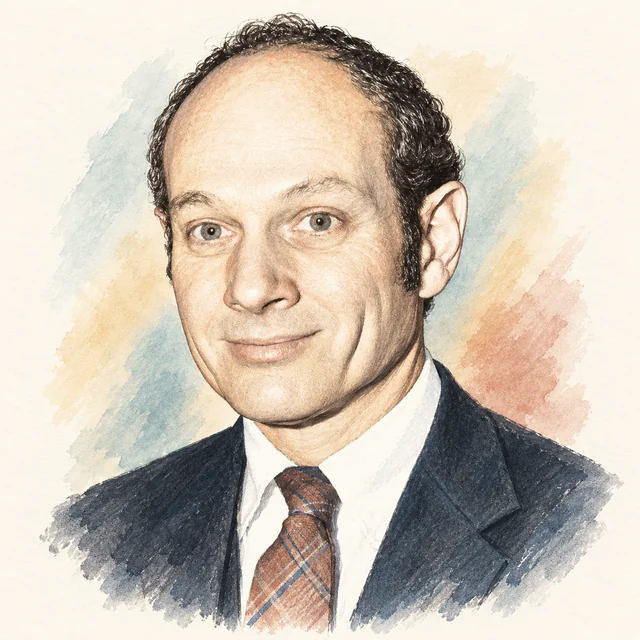
Illustrated portrait of James Cronin

James Cronin

Prize share · 1/2

Cronin helped design and carry out the neutral-kaon experiment that detected a decay forbidden if CP symmetry were exact. He shared the Physics Prize equally with Fitch. The discovery concerned the combined charge-conjugation and parity symmetry, rather than ordinary mirror symmetry alone.

Read the biography ↗
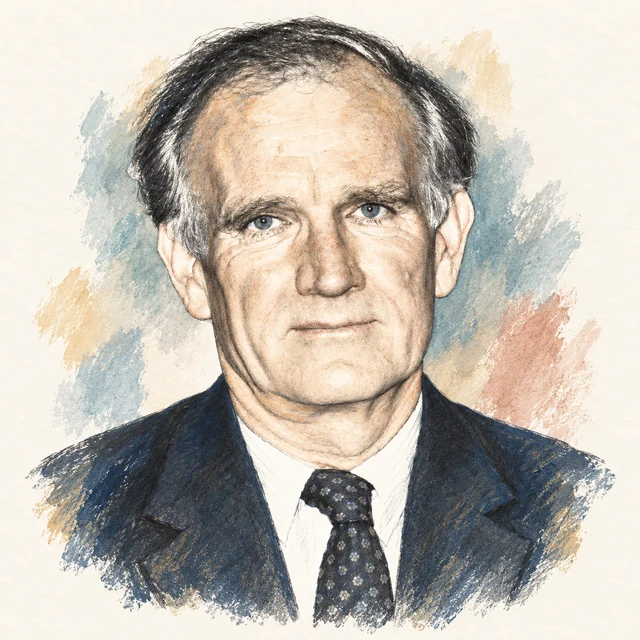
Illustrated portrait of Val Fitch

Val Fitch

Prize share · 1/2

Fitch helped formulate and test the neutral-kaon decay experiment that challenged CP conservation. He and Cronin received one half each. Their rare-decay observation established a new failure of a presumed symmetry; it did not demonstrate travel into the past or by itself explain all cosmic matter.

Read the biography ↗

03 · Years in the making

The path here

  1. 1955

    Cronin completes his Chicago doctorate.

  2. 1958

    Cronin joins Princeton, where Fitch is working.

  3. 1964

    The Brookhaven neutral-kaon experiment establishes CP violation.

  4. 1971

    Cronin moves to the University of Chicago.

  5. 1980

    Cronin and Fitch receive equal shares of the Physics Prize.

04 · Read further

From the original sources

Original explanations by Curionode, based on the official records below. Biographical details and affiliations refer to the award year.

  1. Official announcement nobelprize.org
  2. Cronin’s lecture: the neutral-kaon experiment nobelprize.org