c.curionodeThe Nobel Archive

1981 · Physics

Two routes into matter

Precise light and precise electron measurements revealed details hidden in broad spectra. The prize joined advances in laser spectroscopy with a distinct electron-spectroscopy programme.

Laser spectroscopyNonlinear opticsElectron spectroscopy
1981Physics

Visual guide

The prize, pictured

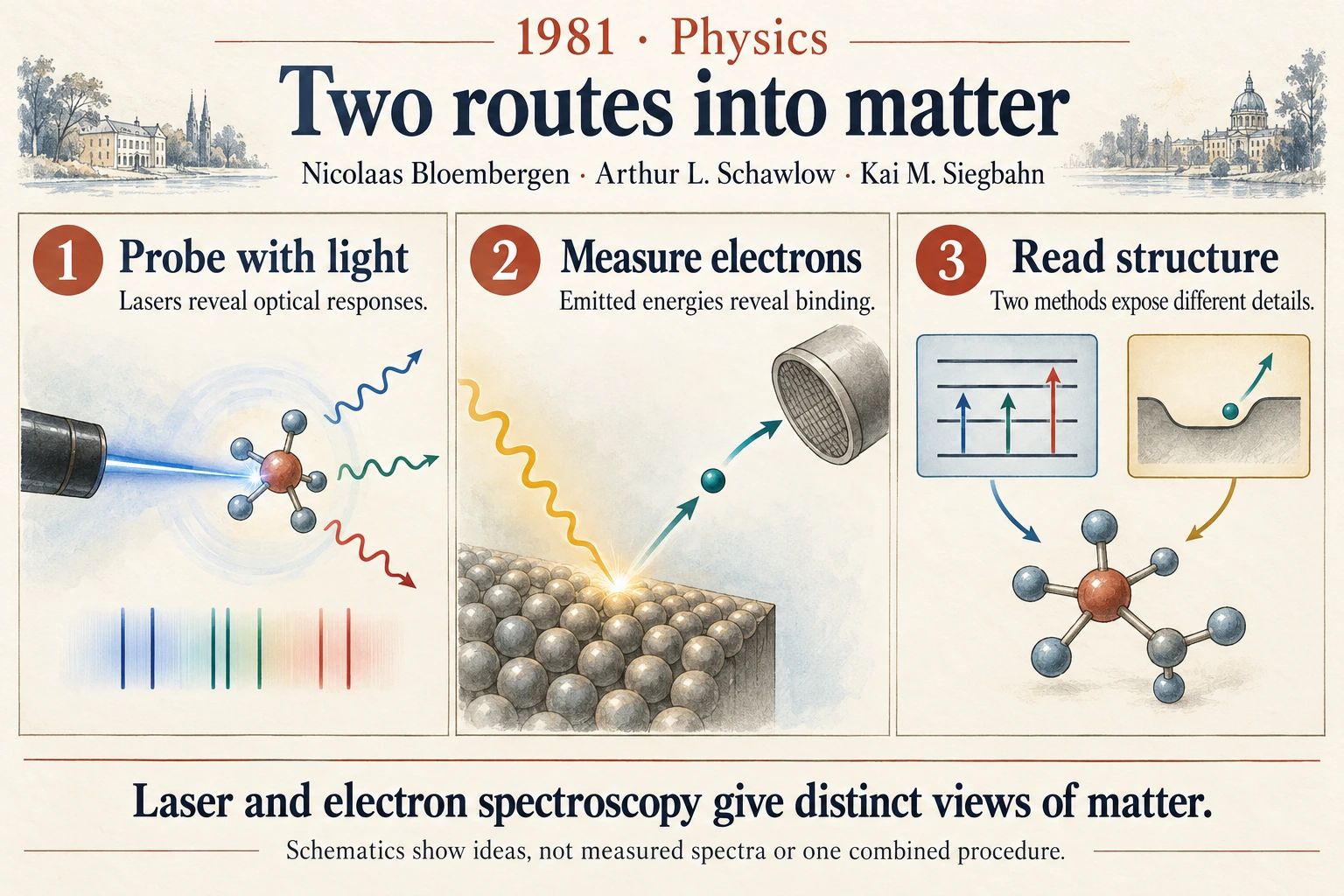
Infographic explaining Two routes into matter
Original AI-generated infographic. A conceptual overview; the explanations and sources below provide context.
Read the poster text

Laser and electron spectroscopy give distinct views of matter.

  1. Probe with light

    Lasers reveal optical responses.

  2. Measure electrons

    Emitted energies reveal binding.

  3. Read structure

    Two methods expose different details.

Schematics show ideas, not measured spectra or one combined procedure.

01 · The discovery

The idea, in everyday language

Atoms and molecules exchange energy in characteristic ways, but a crowded or blurred spectrum can hide useful detail. Bloembergen developed nonlinear optical methods: strong light fields interact through matter and can produce new signals at combinations of their frequencies. Schawlow developed precision laser spectroscopy, including techniques with Hänsch that reduce broadening caused by atomic motion. Narrow, tunable laser light made transitions easier to distinguish.

Siegbahn took another route. When photons eject electrons from a sample, measuring the emitted electrons’ energies can reveal how tightly they were bound. With careful calibration and accounting for the measurement conditions, small binding-energy shifts give information about chemical environments. His high-resolution instruments and ESCA methods made electron spectra powerful tools for chemical analysis.

Why it matters

The methods brought atomic and molecular structure, chemical bonding and surfaces within more precise experimental reach. Bloembergen and Schawlow shared the laser-spectroscopy half equally; Siegbahn received the other half. Their work built on earlier spectroscopy and laser research, with collaborators including Hänsch, Nordling and Sokolowski. Townes, Basov and Prokhorov’s 1964 prize concerned the earlier maser–laser principles.
02 · The people

Who brought the idea to life?

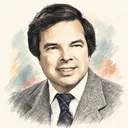
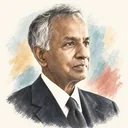
Illustrated portrait of Nicolaas Bloembergen

Nicolaas Bloembergen

Prize share · 1/4

Bloembergen developed nonlinear optical methods that expanded what laser spectroscopy could measure. Light fields can interact through a material, generating signals at combinations of their frequencies. He received one quarter of the Physics Prize, sharing the laser-spectroscopy half with Arthur Schawlow; Kai Siegbahn received the other half for electron spectroscopy.

Read the biography ↗
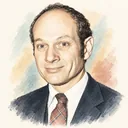
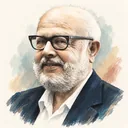
Illustrated portrait of Arthur L. Schawlow

Arthur L. Schawlow

Prize share · 1/4

Schawlow helped turn lasers into precise probes of atomic and molecular energy levels, including methods that reduce Doppler broadening. He received one quarter of the Physics Prize, alongside Bloembergen’s quarter and Siegbahn’s half. The 1981 award recognised spectroscopy; Schawlow and Townes’s laser proposal was an earlier part of a wider history involving many researchers.

Read the biography ↗
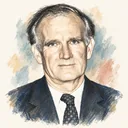
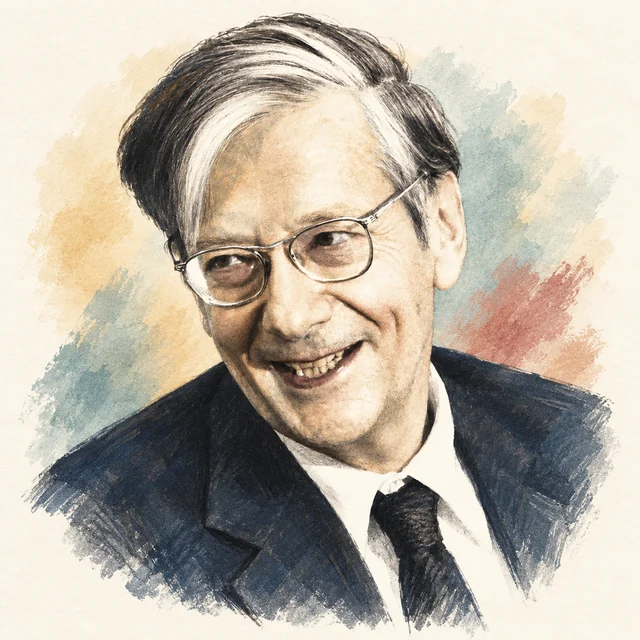
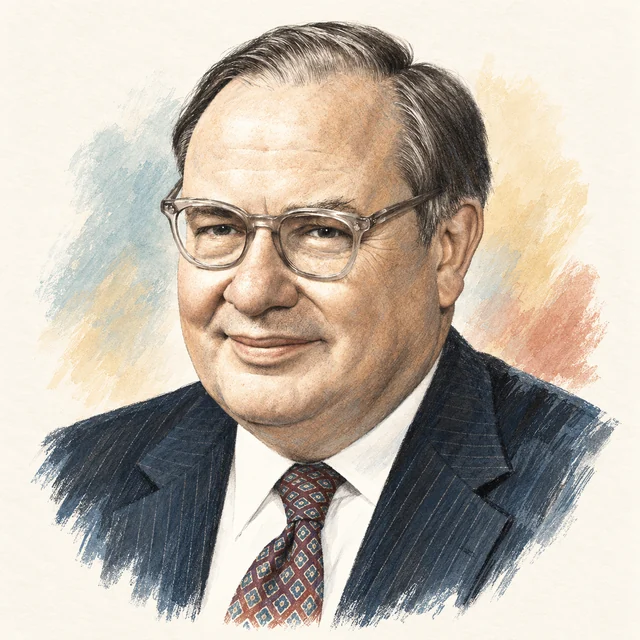
Illustrated portrait of Kai M. Siegbahn

Kai M. Siegbahn

Prize share · 1/2

Siegbahn developed high-resolution electron spectroscopy, including ESCA, which infers electron binding energies and chemical environments from electrons emitted by a sample. He received one half of the Physics Prize. This is a different measurement from the laser spectroscopy recognised in the prize’s other half, and a separate award from his father’s 1924 prize.

Read the biography ↗

03 · Years in the making

The path here

  1. 1948

    Bloembergen completes his Leiden doctorate on magnetic relaxation.

  2. 1954

    Siegbahn becomes professor at Uppsala.

  3. 1958

    Schawlow and Townes publish their optical-maser proposal.

  4. 1961

    Bloembergen begins nonlinear-optics research; Schawlow joins Stanford.

  5. 1981

    Laser and electron spectroscopy receive distinct shares of the Physics Prize.

04 · Read further

From the original sources

Original explanations by Curionode, based on the official records below. Biographical details and affiliations refer to the award year.

  1. Official announcement nobelprize.org