c.curionodeThe Nobel Archive

1977 · Physics

When electrons cannot travel freely

Magnetism and electrical conduction depend on electronic states, their surroundings and interactions. Van Vleck, Mott and Anderson explained behaviour that simple independent-electron pictures could miss.

Quantum statesDisorderMagnetism
1977Physics

Visual guide

The prize, pictured

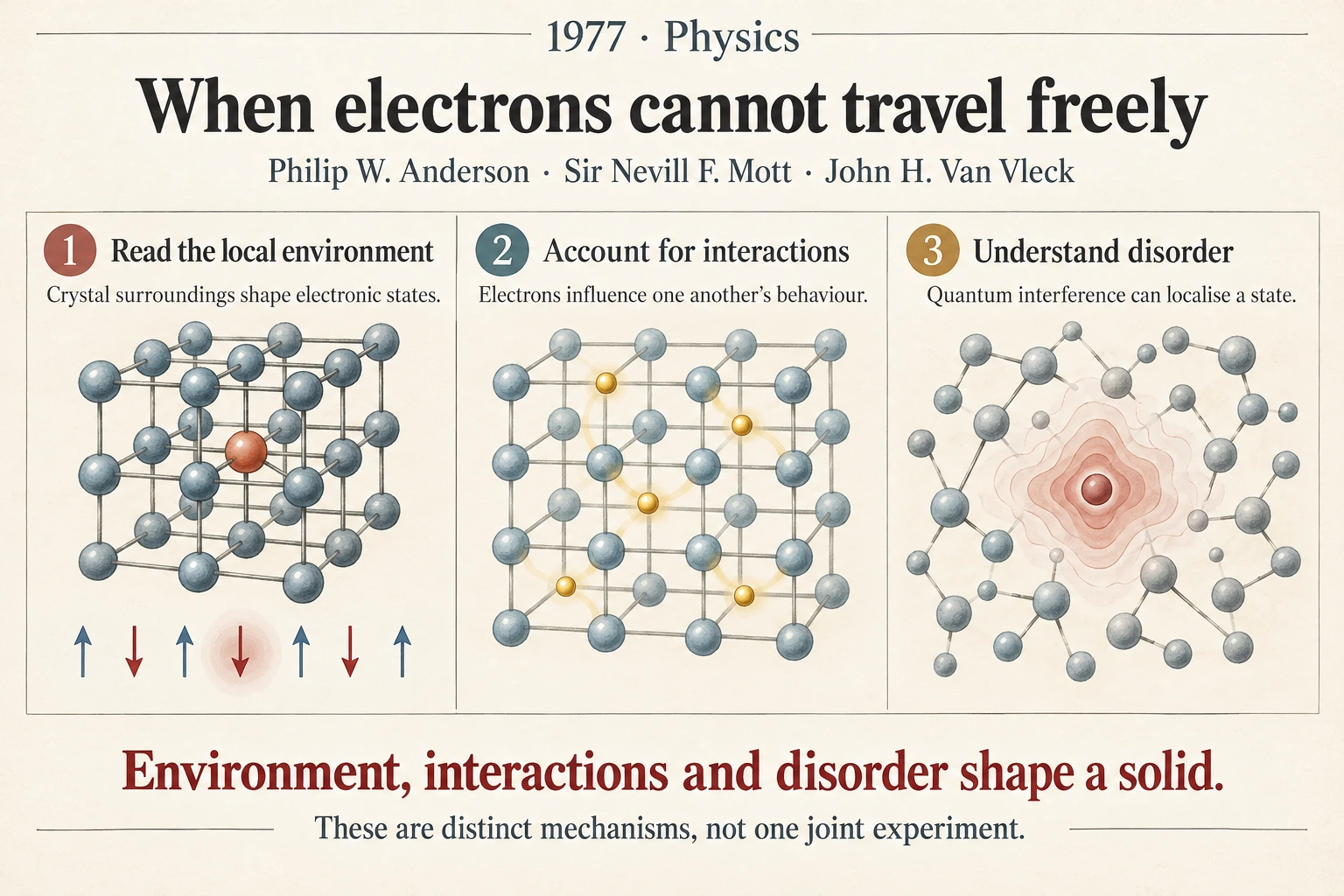
Infographic explaining When electrons cannot travel freely
Original AI-generated infographic. A conceptual overview; the explanations and sources below provide context.
Read the poster text

Environment, interactions and disorder shape a solid.

  1. Read the local environment

    Crystal surroundings shape electronic states.

  2. Account for interactions

    Electrons influence one another’s behaviour.

  3. Understand disorder

    Quantum interference can localise a state.

These are distinct mechanisms, not one joint experiment.

01 · The discovery

The idea, in everyday language

Van Vleck used quantum mechanics to explain magnetic response and how the electric surroundings within a crystal alter atomic electronic states. Those local environments affect the magnetic moments and energy levels available to electrons. His work helped make magnetism a quantitative subject rather than a collection of unrelated material properties.

Mott studied how interactions between electrons can obstruct conduction, including metal–insulator transitions. Anderson showed that disorder can localise electronic waves through quantum interference, preventing their spread under appropriate conditions. Interaction-driven insulation and disorder-driven localisation are different mechanisms; real materials can involve both. The three laureates each received one third for related theoretical foundations, not one shared apparatus or a single step-by-step experiment.

Why it matters

These theories enlarged the understanding of magnetic solids, alloys and non-crystalline materials, supporting later condensed-matter research and interpretation of electronic behaviour. They explain why material composition alone is insufficient: arrangement, correlations and quantum states also matter.
02 · The people

Who brought the idea to life?

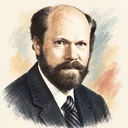
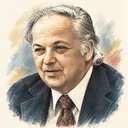
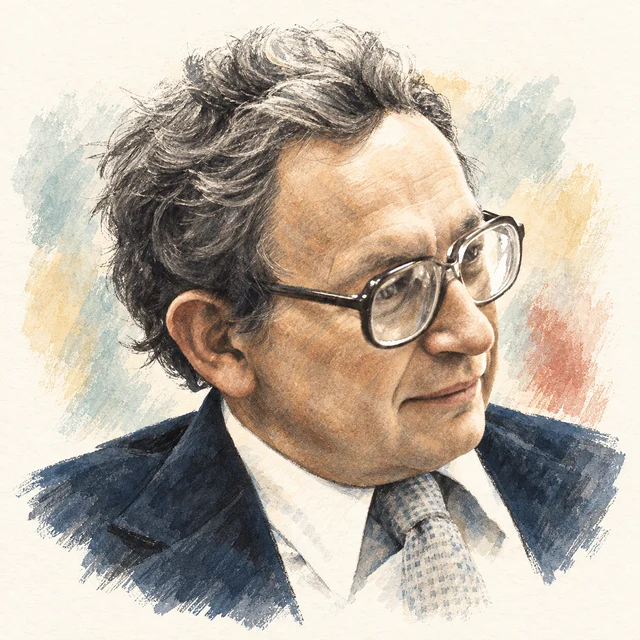
Illustrated portrait of Philip W. Anderson

Philip W. Anderson

Prize share · 1/3

Anderson explained localisation caused by disorder and developed theories of magnetic and interacting electronic systems. He received one third of the Physics Prize alongside Mott and Van Vleck; their contributions address related problems rather than one joint experiment.

Read the biography ↗
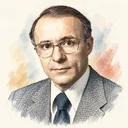
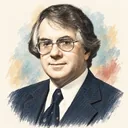
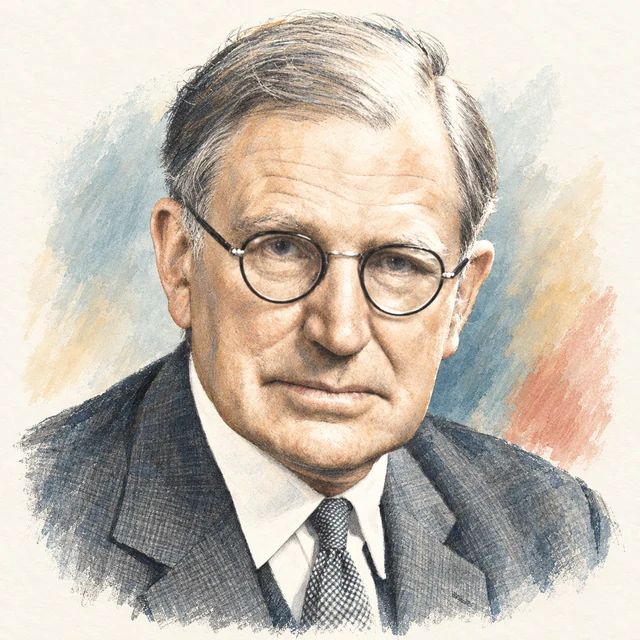
Illustrated portrait of Sir Nevill F. Mott

Sir Nevill F. Mott

Prize share · 1/3

Mott developed accounts of metal–insulator transitions and electronic processes in non-crystalline materials. He received one third of the Physics Prize. Insulation caused by electron interactions and localisation caused by disorder are distinct mechanisms that can also occur together.

Read the biography ↗
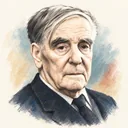
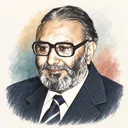
Illustrated portrait of John H. Van Vleck

John H. Van Vleck

Prize share · 1/3

Van Vleck developed quantum explanations of magnetic response, including the role of local crystal fields and electronic states. He received one third of the Physics Prize; a magnetic moment is a quantum property, not a literal miniature spinning bar magnet.

Read the biography ↗

03 · Years in the making

The path here

  1. 1922

    Van Vleck completes his Harvard doctorate; new quantum mechanics soon changes his theoretical tools.

  2. 1930s

    Van Vleck develops quantum accounts of crystal fields and magnetism.

  3. 1949

    Mott explains a role for electron interactions in insulating behaviour.

  4. 1958

    Anderson establishes localisation under suitable disorder conditions.

  5. 1977

    The three receive equal shares for electronic-structure theory of magnetic and disordered systems.

04 · Read further

From the original sources

Original explanations by Curionode, based on the official records below. Biographical details and affiliations refer to the award year.

  1. Official announcement nobelprize.org