01 · The discovery
The idea, in everyday language
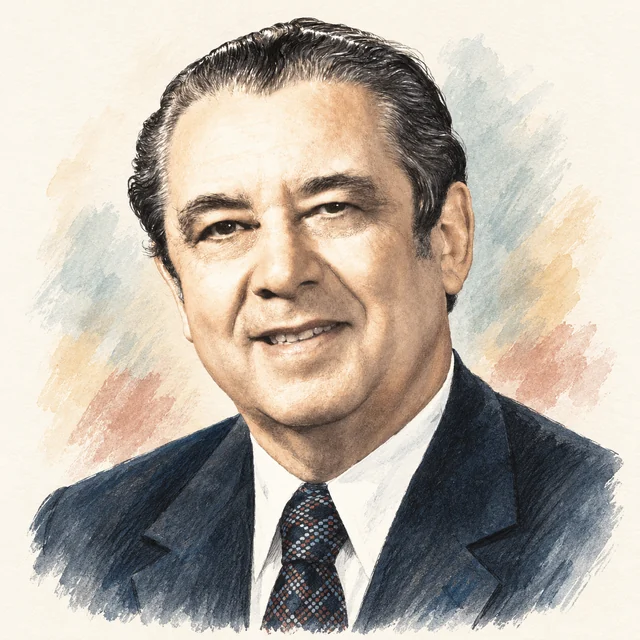
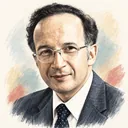
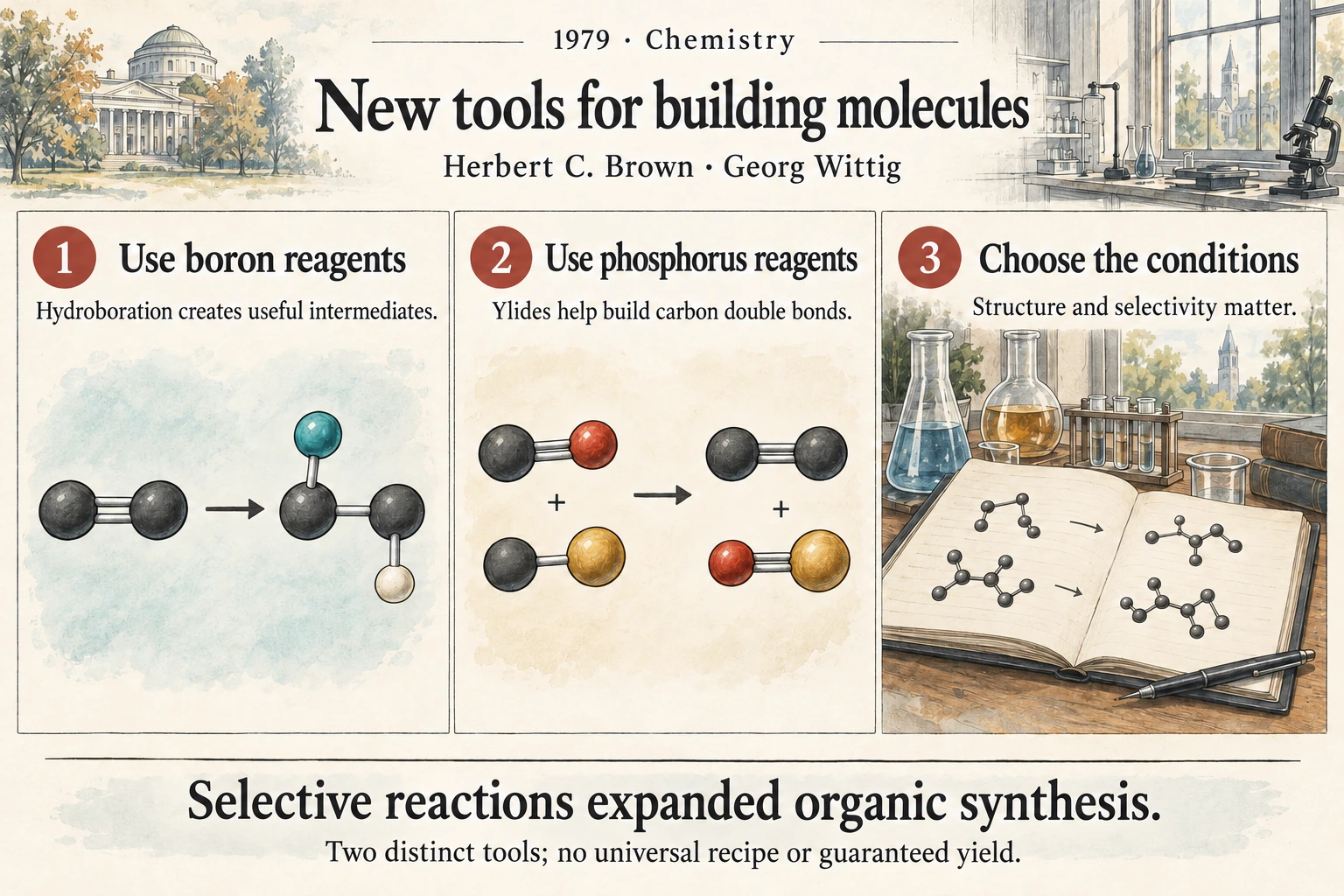
Brown investigated how boron-containing compounds could serve as selective reducing agents and synthetic intermediates. In hydroboration, a boron–hydrogen bond adds across a carbon–carbon double bond, producing a carbon–boron bond. Further reactions can replace that boron-containing part with other groups. Work with B. C. Subba Rao and later collaborators transformed an unexpected experimental result into a useful family of methods.
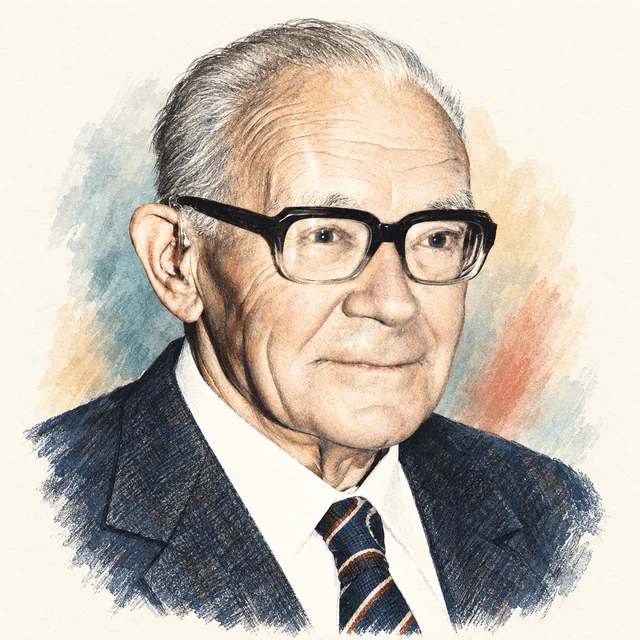
Wittig’s method uses a phosphorus ylide, a reactive compound with neighbouring phosphorus and carbon centres. Reaction with a carbonyl compound creates a new carbon–carbon double bond; the carbonyl oxygen ends up in a phosphorus oxide coproduct. This joins carbon fragments and can place a double bond where a synthesis needs it. Brown’s and Wittig’s reactions are complementary tools, not stages that always belong to one procedure.
Why it matters
The methods broadened laboratory and industrial organic synthesis, including routes to complex natural products and vitamins. Each laureate received one half. Their work made particular transformations more accessible and encouraged chemists to plan syntheses around controlled bond changes rather than accept whatever mixture a reaction happened to produce.