c.curionodeThe Nobel Archive

1980 · Chemistry

Join DNA, read its order

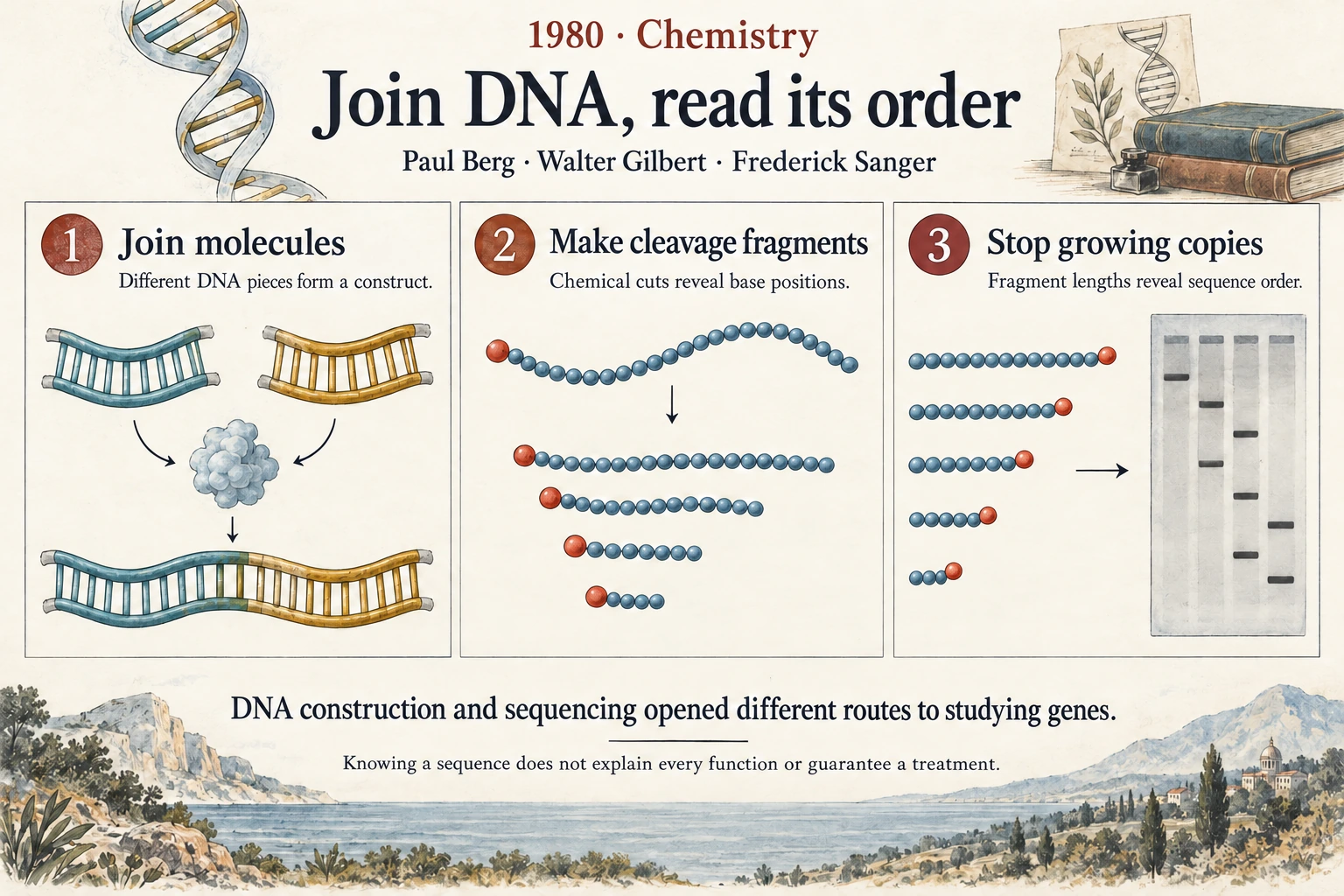
Genes became accessible through two different kinds of method. Berg helped construct recombinant DNA; Gilbert and Sanger developed ways to determine the sequence of nucleic acids.

Recombinant DNABase sequencesChain termination
1980Chemistry

Visual guide

The prize, pictured

Infographic explaining Join DNA, read its order
Original AI-generated infographic. A conceptual overview; the explanations and sources below provide context.
Read the poster text

DNA construction and sequencing opened different routes to studying genes.

  1. Join molecules

    Different DNA pieces form a construct.

  2. Make cleavage fragments

    Chemical cuts reveal base positions.

  3. Stop growing copies

    Fragment lengths reveal sequence order.

Knowing a sequence does not explain every function or guarantee a treatment.

01 · The discovery

The idea, in everyday language

Knowing that DNA contains four kinds of base is different from knowing their order, and different again from joining chosen DNA molecules. Berg’s biochemical work made such joining possible in a test tube. His group’s 1972 recombinant-DNA construction combined material from viral and bacterial sources, opening an experimental route to studying gene structure and function.

Gilbert and Allan Maxam read DNA using chemical reactions that partially cleave a labelled strand at particular bases. Fragment lengths indicate positions along it. Sanger’s group, including Alan Coulson and Steve Nicklen, instead made complementary copies whose growth could stop at selected bases. Separating the resulting fragments by length allowed the base order to be inferred. The two methods published in 1977 differed in how the readable fragments were made.

Why it matters

Together the methods expanded the ability to investigate genes and compare biological information, helping establish molecular tools used in later biotechnology. Berg received one half of the prize; Gilbert and Sanger one quarter each. Their collaborators and earlier nucleic-acid research are essential parts of that development. Sanger’s 1958 prize for protein sequencing was a different recognition.
02 · The people

Who brought the idea to life?

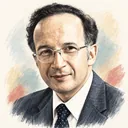
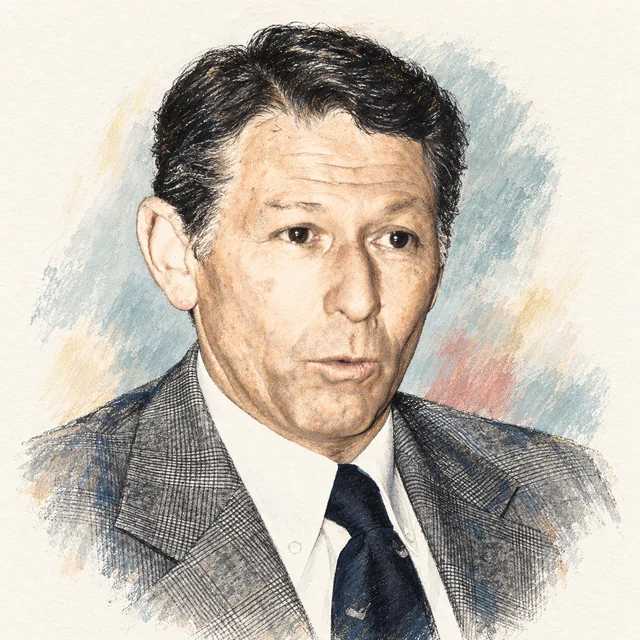
Illustrated portrait of Paul Berg

Paul Berg

Prize share · 1/2

Berg developed fundamental biochemical methods for constructing recombinant DNA and studying nucleic acids. He received one half of the Chemistry Prize. Gilbert and Sanger shared the other half for determining base sequences, a distinct task from joining DNA pieces.

Read the biography ↗
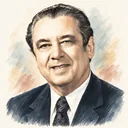
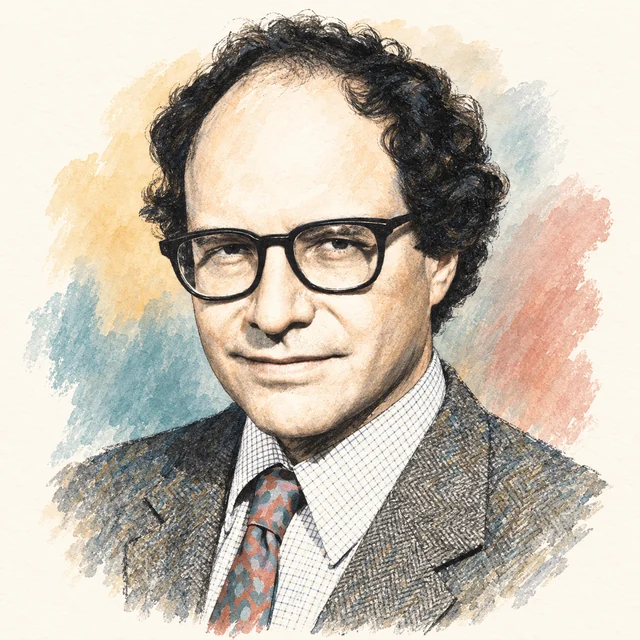
Illustrated portrait of Walter Gilbert

Walter Gilbert

Prize share · 1/4

Gilbert and Allan Maxam developed a chemical method for determining DNA base order from the lengths of labelled cleavage fragments. Gilbert received one quarter of the Chemistry Prize, Sanger another quarter and Berg one half. Maxam’s collaboration remains central even though he was not a recipient.

Read the biography ↗
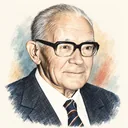
Illustrated portrait of Frederick Sanger

Frederick Sanger

Prize share · 1/4

Sanger developed enzymatic methods to determine nucleic-acid sequences, including chain termination with Coulson and Nicklen. He received one quarter of the 1980 Chemistry Prize for sequencing. His earlier 1958 award concerned proteins; both belong to one person and one biography.

Read the biography ↗

03 · Years in the making

The path here

  1. 1958

    Sanger receives an earlier Chemistry Prize for protein structure.

  2. 1959

    Berg helps establish Stanford’s biochemistry department.

  3. 1962

    Sanger moves to the MRC Laboratory of Molecular Biology.

  4. 1972

    Berg’s group constructs recombinant DNA.

  5. 1977

    Maxam–Gilbert and Sanger–Nicklen–Coulson sequencing methods are published.

  6. 1980

    Construction and sequence determination receive distinct shares of the Chemistry Prize.

04 · Read further

From the original sources

Original explanations by Curionode, based on the official records below. Biographical details and affiliations refer to the award year.

  1. Official announcement nobelprize.org
  2. Maxam and Gilbert: chemical DNA sequencing (1977) pmc.ncbi.nlm.nih.gov
  3. Sanger, Nicklen and Coulson: chain-termination sequencing (1977) pmc.ncbi.nlm.nih.gov

More in Chemistry

Browse this subject ↗