c.curionodeThe Nobel Archive

1988 · Physics

Distinguish neutrinos with a beam

Lederman, Schwartz and Steinberger used accelerator-made neutrinos to reveal a second neutrino type.

muon neutrinoneutrino beamspark chamberweak interaction
1988Physics

Visual guide

The prize, pictured

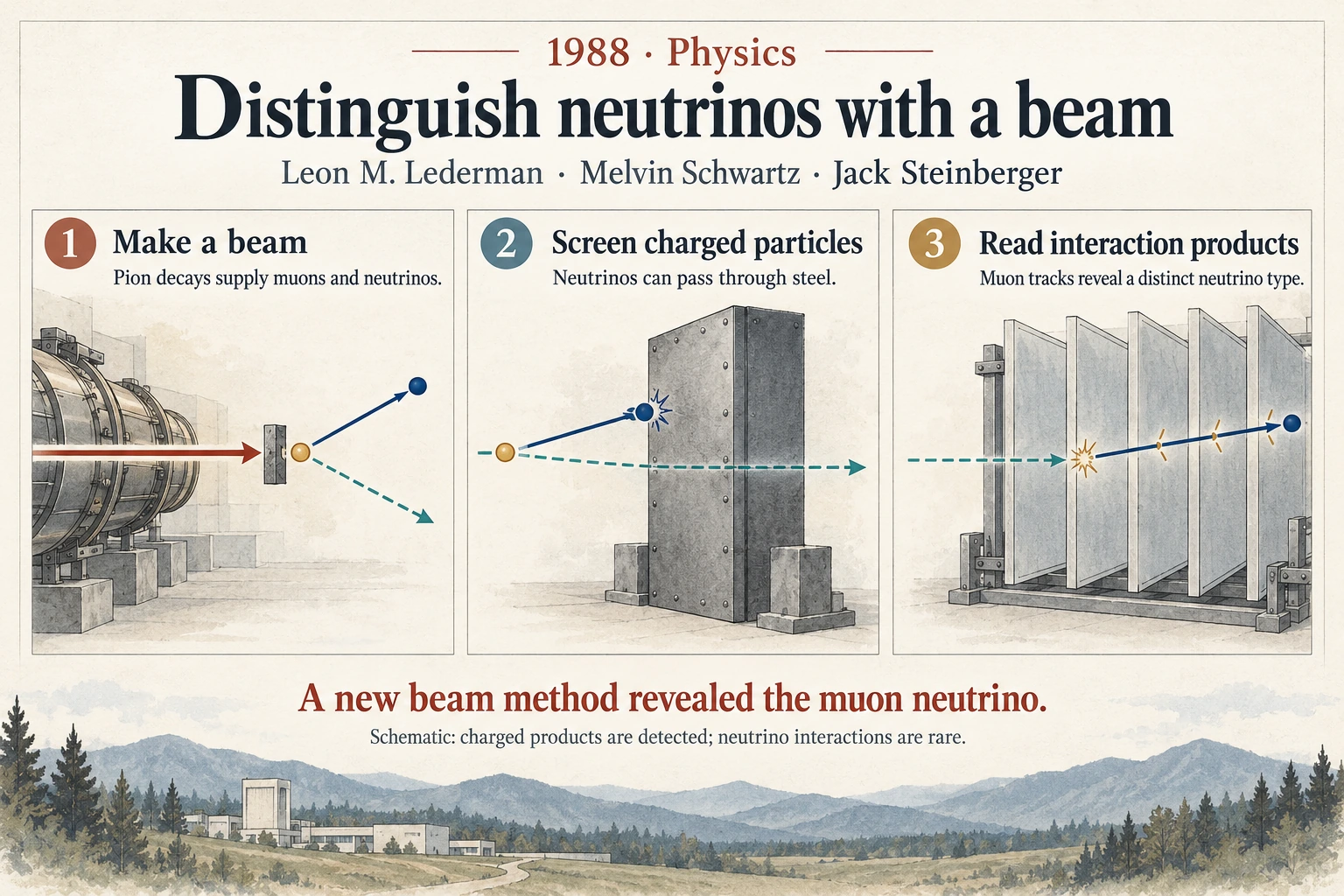
Infographic explaining Distinguish neutrinos with a beam
Original AI-generated infographic. A conceptual overview; the explanations and sources below provide context.
Read the poster text

A new beam method revealed the muon neutrino.

  1. Make a beam

    Pion decays supply muons and neutrinos.

  2. Screen charged particles

    Neutrinos can pass through steel.

  3. Read interaction products

    Muon tracks reveal a distinct neutrino type.

Schematic: charged products are detected; neutrino interactions are rare.

01 · The discovery

The idea, in everyday language

Neutrinos interact so rarely that studying them requires a source and a way to recognise the few interactions that occur. Schwartz proposed using pions produced by an accelerator. As pions decayed, they supplied muons and neutrinos. A thick steel barrier absorbed the charged particles while neutrinos could pass through to a detector.

At Brookhaven in 1962, a team including the three laureates and Danby, Gaillard, Goulianos and Mistry used a spark chamber. Neutrino interactions produced muons rather than the electrons expected if this beam’s neutrinos were the same as those associated with beta decay. The result established the muon neutrino as distinct from the electron neutrino and made neutrino beams an important experimental method.

Why it matters

The experiment opened controlled studies of the weak interaction and the organisation of leptons into families. Source, shielding and detector worked together. The three laureates shared the Physics Prize equally, representing a broader experimental collaboration.
02 · The people

Who brought the idea to life?

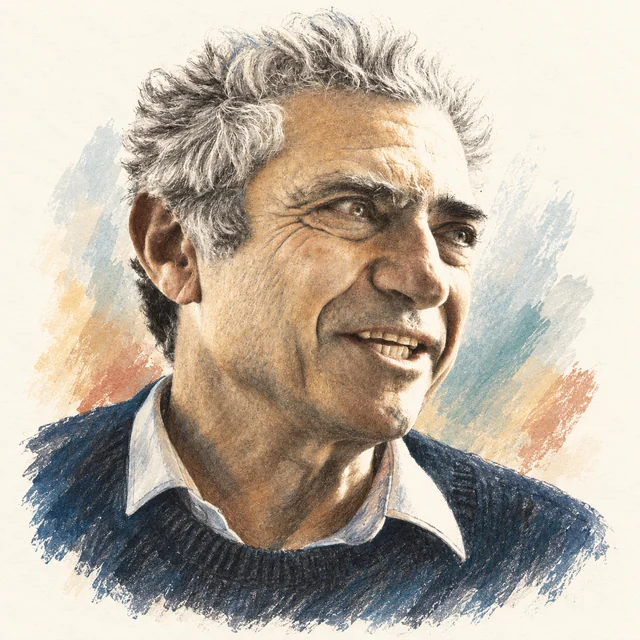
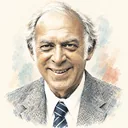
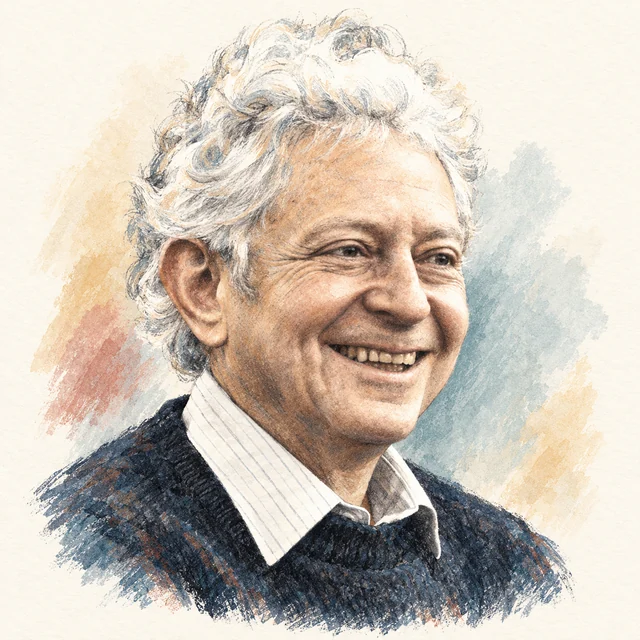
Illustrated portrait of Leon M. Lederman

Leon M. Lederman

Prize share · 1/3

Lederman helped organise and carry out the 1962 Brookhaven experiment that used a neutrino beam and a spark-chamber detector to distinguish the muon neutrino from the electron neutrino. It was a team experiment, including Danby, Gaillard, Goulianos and Mistry. Charged particles produced in neutrino interactions provided the evidence. He received one third of the Physics Prize.

Read the biography ↗
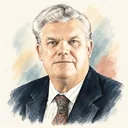
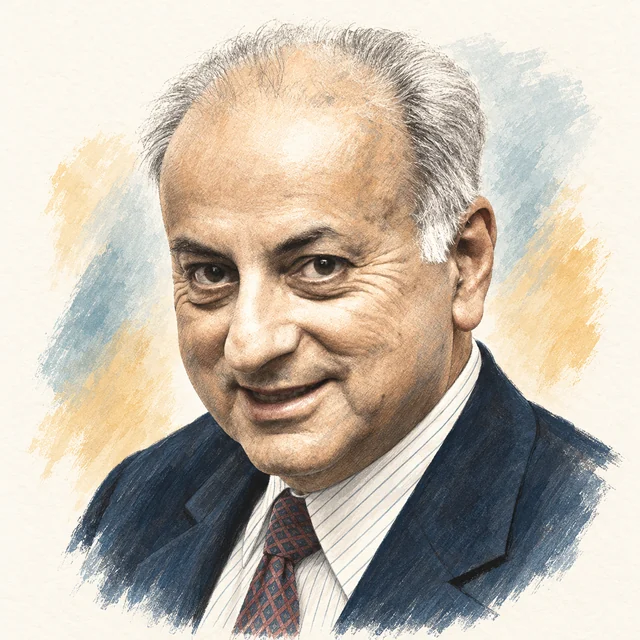
Illustrated portrait of Melvin Schwartz

Melvin Schwartz

Prize share · 1/3

Schwartz proposed using decays of accelerator-produced pions to make a neutrino beam. Absorbing the accompanying charged particles left neutrinos able to reach a detector, where rare interactions could be studied. The 1962 experiment found muon production rather than the electron production expected if both neutrino types were identical. He received one third of the prize; his award-time affiliation was Digital Pathways.

Read the biography ↗
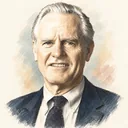
Illustrated portrait of Jack Steinberger

Jack Steinberger

Prize share · 1/3

Steinberger contributed detector expertise and experimental analysis to the 1962 muon-neutrino discovery. The experiment connected the identity of a neutrino with the charged lepton produced in its interaction. Its spark chamber recorded charged-particle tracks, rather than photographing neutrinos themselves. He received one third of the prize alongside Lederman and Schwartz.

Read the biography ↗

03 · Years in the making

The path here

  1. 1962

    The Brookhaven neutrino-beam experiment establishes the muon neutrino.

  2. 1988

    Lederman, Schwartz and Steinberger share the Physics Prize equally.

04 · Read further

From the original sources

Original explanations by Curionode, based on the official records below. Biographical details and affiliations refer to the award year.

  1. Official announcement nobelprize.org