c.curionodeThe Nobel Archive

1989 · Physics

Give precision measurements time to work

Ramsey’s separated fields and Dehmelt’s and Paul’s particle traps made atomic measurements more precise.

atomic clocksRamsey spectroscopyPaul trapPenning trap
1989Physics

Visual guide

The prize, pictured

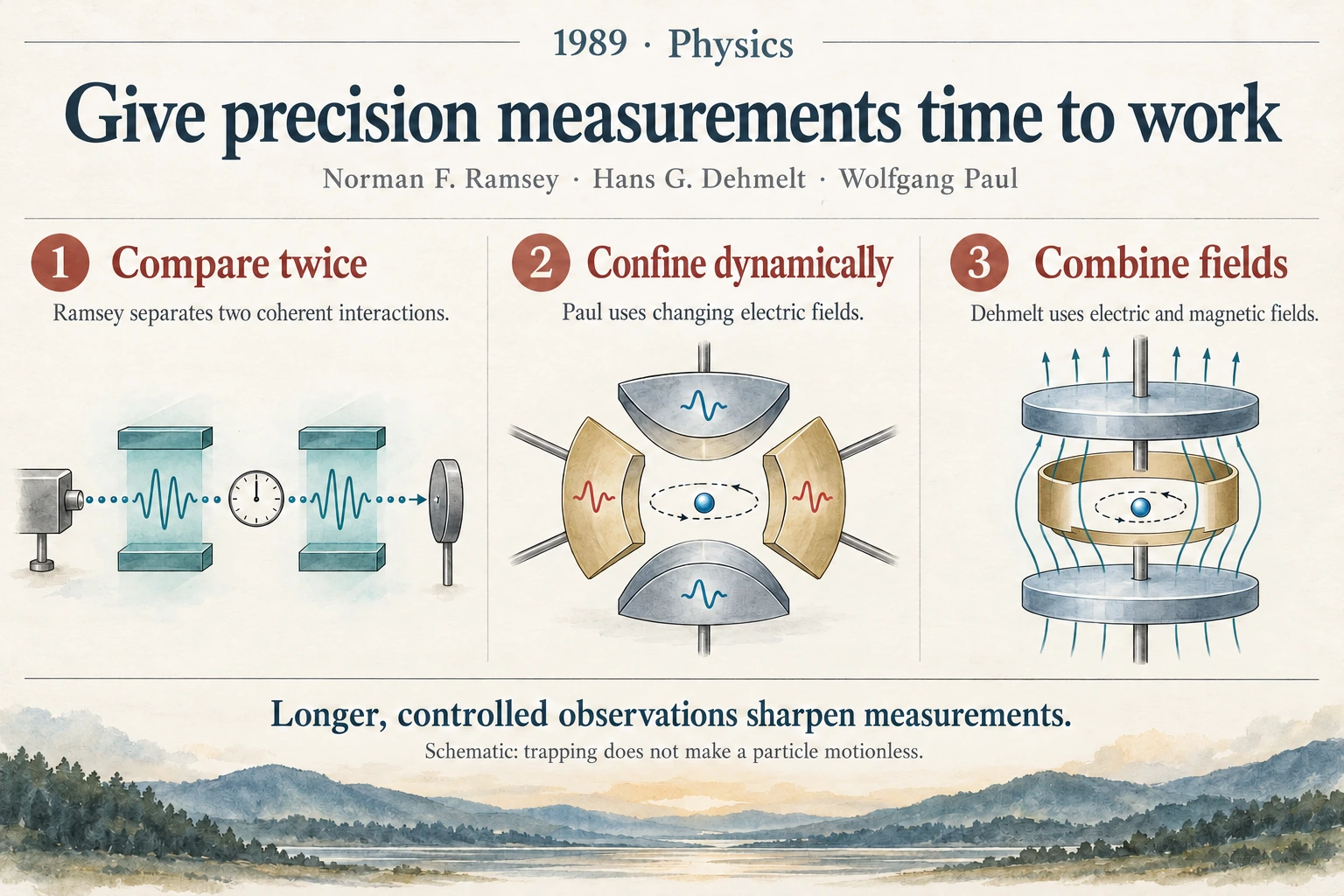
Infographic explaining Give precision measurements time to work
Original AI-generated infographic. A conceptual overview; the explanations and sources below provide context.
Read the poster text

Longer, controlled observations sharpen measurements.

  1. Compare twice

    Ramsey separates two coherent interactions.

  2. Confine dynamically

    Paul uses changing electric fields.

  3. Combine fields

    Dehmelt uses electric and magnetic fields.

Schematic: trapping does not make a particle motionless.

01 · The discovery

The idea, in everyday language

An atomic transition provides a reproducible frequency to compare with an applied signal, but motion, collisions and imperfect fields complicate measurement. Ramsey’s method uses two coherent interactions separated by free evolution. The phase accumulated between them affects the outcome of the second interaction, producing a sensitive frequency comparison. This became a foundation of atomic clocks and precision spectroscopy.

Paul and Dehmelt developed ways to hold charged particles for long observations. Paul’s radio-frequency quadrupole trap uses changing electric fields for dynamic confinement. Dehmelt developed trapped-particle methods including Penning traps, which combine static electric and magnetic fields. Isolation and cooling reduced disturbances, enabling measurements even on a single electron. Ramsey received half of the prize; Dehmelt and Paul each received a quarter.

Why it matters

The work joined reliable timekeeping with exacting tests of atomic and particle physics. Ramsey’s method supported atomic clocks; his hydrogen-maser work with Kleppner advanced frequency stability. Trapped electrons allowed stringent tests of quantum electrodynamics, and trapped ions opened new spectroscopy possibilities. The two strands complement one another without being the same apparatus or a single invention.
02 · The people

Who brought the idea to life?

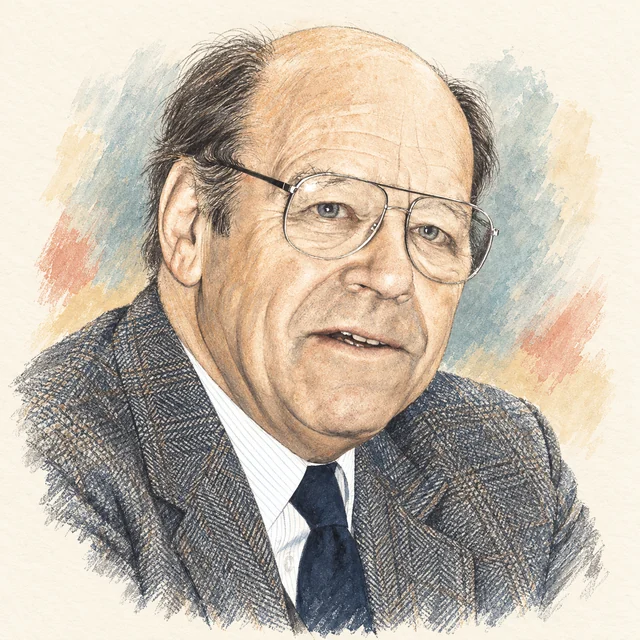
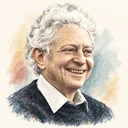
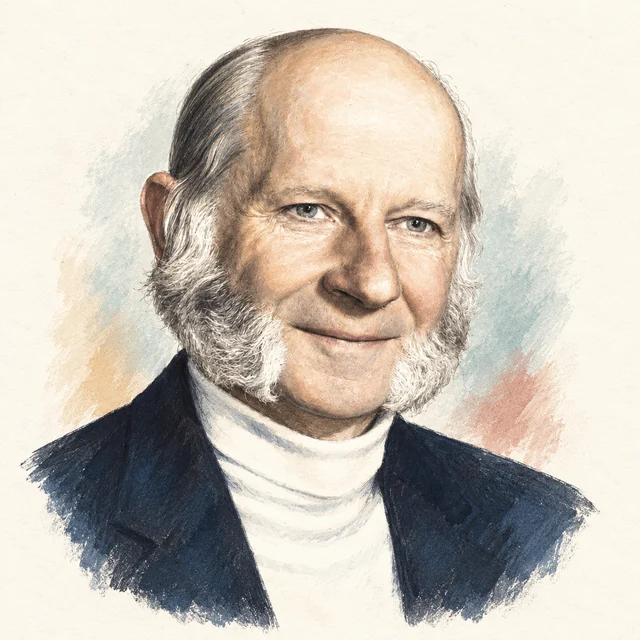
Illustrated portrait of Norman F. Ramsey

Norman F. Ramsey

Prize share · 1/2

Ramsey replaced one continuous interaction with two coherent oscillating-field interactions separated by a period of free evolution. Their interference makes a sensitive comparison between an applied frequency and an atomic transition. The method became fundamental to precision spectroscopy and atomic clocks. Hydrogen-maser work offered exceptional short-term frequency stability, which is distinct from absolute accuracy. Ramsey received half of the Physics Prize.

Read the biography ↗
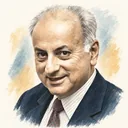
Illustrated portrait of Hans G. Dehmelt

Hans G. Dehmelt

Prize share · 1/4

Dehmelt developed methods using traps, especially the combination of static electric and magnetic fields in a Penning trap, to confine charged particles. Keeping a single electron under controlled conditions allowed precise measurements of its motion and magnetic moment. These measurements tested quantum electrodynamics. Cooling and careful control mattered as much as holding the particle. He received one quarter of the prize, sharing the trap-development half with Paul.

Read the biography ↗
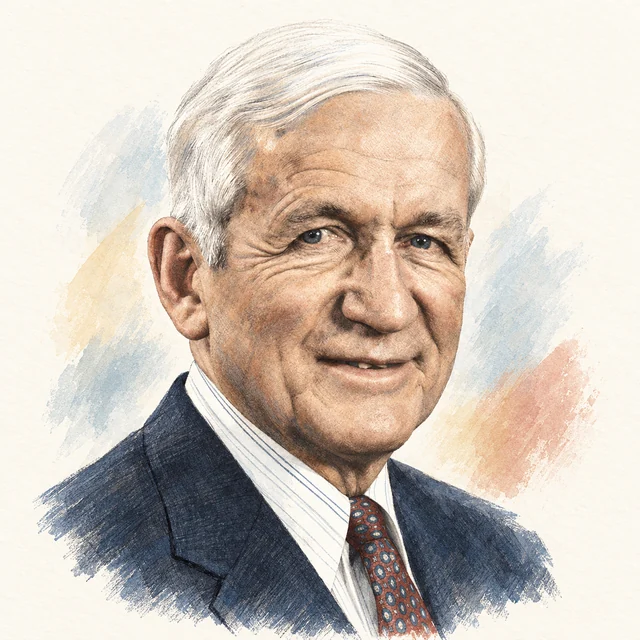
Illustrated portrait of Wolfgang Paul

Wolfgang Paul

Prize share · 1/4

Paul developed the radio-frequency quadrupole trap, in which changing electric fields provide dynamic confinement of charged particles. A static electric field alone cannot stably hold a charge in every direction; the time-dependent field is essential to this method. The related quadrupole mass filter distinguishes ions by their motion in applied fields. Paul received one quarter of the Physics Prize. He is a different physicist from Wolfgang Pauli.

Read the biography ↗

03 · Years in the making

The path here

  1. 1949

    Ramsey develops the separated oscillatory fields method.

  2. 1950s

    Paul develops quadrupole methods and radio-frequency trapping.

  3. 1973

    Dehmelt, Wineland and Ekstrom isolate a single electron.

  4. 1989

    Ramsey receives half of the prize; Dehmelt and Paul receive a quarter each.

04 · Read further

From the original sources

Original explanations by Curionode, based on the official records below. Biographical details and affiliations refer to the award year.

  1. Official announcement nobelprize.org